
Why Gaming Communities Are More Important Than Ever
From Digital Connections to Real-World Impact: How Gaming Brings Us Together
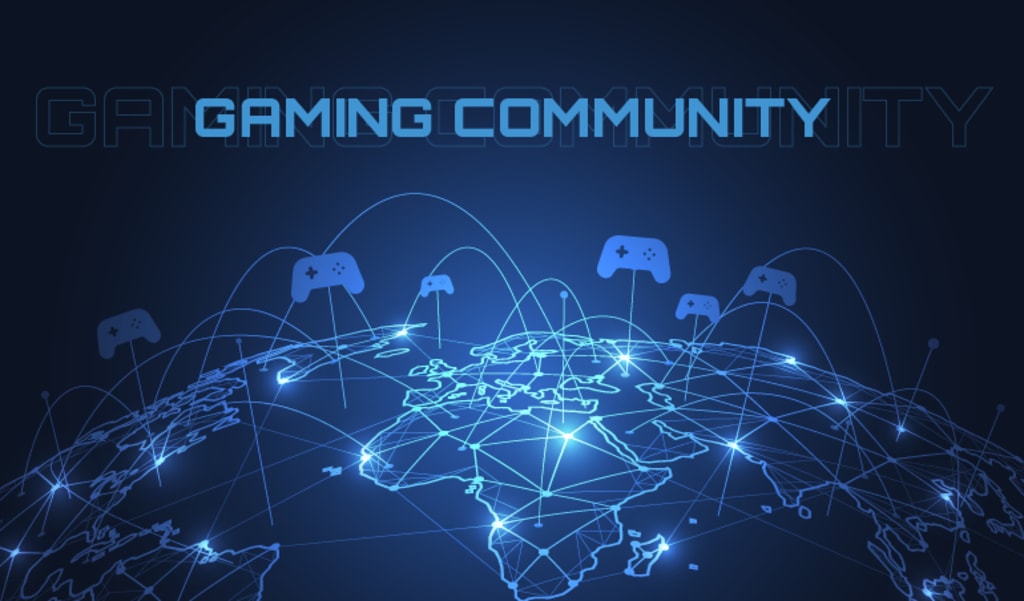
The first time I joined a Discord server for my favorite game, I felt like I'd finally found my people. There were inside jokes I actually understood, conversations about strategies I'd been dying to discuss, and genuine connections forming over shared virtual experiences. It hit me then that gaming had evolved far beyond the stereotype of isolated players in dark rooms – it had become one of the most vibrant social spaces in our increasingly digital world.
The Evolution of Gaming Spaces
Remember when gaming meant inviting friends over, crowding around a single screen, and passing controllers between rounds? Those living room sessions were magical, but limited by physical space and geography. Today's gaming communities have shattered those boundaries, creating spaces where players from Tokyo to Toronto can share strategies, celebrate victories, and commiserate over defeats in real-time.
What fascinates me most is how these communities have become ecosystems unto themselves. They're not just about the games anymore – they're about the people playing them. I've watched friendships blossom in guild chats, seen strangers rally around community members facing real-life hardships, and witnessed heated debates over game mechanics evolve into respectful discussions that developers actually implemented in updates.
Finding Your Gaming Tribe
The beauty of modern gaming communities is their diversity. Hardcore competitive players have their spaces, but so do casual gamers, lore enthusiasts, speedrunners, modders, and fan artists. There's a corner of the gaming universe for virtually every interest and play style.
Take battle royale games, for instance. Some communities focus exclusively on competitive strategies and ranking systems. Others are all about creating ridiculous challenges or cinematic moments. I've even joined communities dedicated solely to in-game photography or creating the perfect character builds. The point is: whatever your niche interest, there's probably already a thriving community for it.
Beyond Entertainment
What many non-gamers miss about these communities is their practical value beyond entertainment. Gaming spaces have become incubators for real-world skills. I've watched guild leaders develop management expertise that transferred directly to their careers. Content creators have built media production capabilities through gaming that launched professional opportunities. Even programming knowledge spreads organically as modders share their work.
During the pandemic years, these communities became lifelines for many. When physical interaction was limited, gaming spaces provided social connection that helped countless people maintain their mental health. For many, logging into a familiar server with familiar voices became a crucial ritual of normalcy during uncertain times.
Building Better Communities
Not all gaming spaces are created equal, though. The most successful ones actively work to be welcoming and inclusive. They establish clear community guidelines and moderate effectively without becoming oppressive. They celebrate diversity and make room for new players alongside veterans.
The healthiest communities I've encountered all share one trait: they focus on growing together rather than gatekeeping. They recognize that bringing in fresh perspectives strengthens the community for everyone. When a newbie asks a question that's been answered a thousand times, the response isn't eye-rolling but genuine help – because everyone remembers being that newcomer once.
The Future of Connected Play
As we look ahead, gaming communities seem poised to become even more central to the gaming experience. Developers increasingly design games with community-building in mind, integrating social features directly into gameplay. The lines between games, social networks, and creative platforms continue to blur in fascinating ways.
Virtual reality and augmented reality promise to make these connections even more immersive. Imagine guild meetings where members gather around a virtual table as their characters, or community events that blend digital and physical spaces in your actual neighborhood.
Finding Your Place
If you haven't found your gaming community yet, there's never been a better time to look. Whether through official game forums, Reddit communities, Discord servers, or local gaming events, the entry points are numerous. The key is finding spaces that match not just your game interests but your social style and values.
For those who've been hesitant to engage with gaming communities due to stories of toxicity – yes, those problems exist in some spaces. But many communities have worked hard to create positive environments where respect is the baseline expectation. A bit of research can help you find these healthier spaces.
In the end, games bring us together not just through shared mechanics but through shared stories. Every raid victory, every clutch play, every bizarre glitch becomes a collective memory that binds community members. In a world where genuine connection sometimes feels increasingly rare, that's something worth celebrating and preserving.
Gaming has always been about possibility – about stepping into new worlds and becoming something more than ourselves. Today's gaming communities extend that promise beyond the screen, creating spaces where we can be our authentic selves while forging meaningful connections that often last long after we've put down the controller.
About the author: A passionate gamer who believes in the power of virtual communities to create real-world connections and growth opportunities. When not writing about gaming culture, they can usually be found trying (and often failing) to climb competitive ladders or exploring the stories behind their favorite virtual worlds.
About the Creator
Keep reading
More stories from writers in Gamers and other communities.
Xbox Game Pass in 2026: Can the Brand Really Go Back to Exclusives?
The past week has been a fascinating one for Xbox. A major leadership shake-up has brought a new face to the forefront of the brand, with Asha Chararma stepping into a prominent leadership role. Since the announcement, the gaming community has seen a wave of reactions, PR statements, and opinion pieces discussing what this shift could mean for the future of Xbox.
By Info Post Gateabout 11 hours ago in Gamers
GTA 6 Pre Order: Release Date, Prices, and PS5 Leak Secrets
The wait for the most anticipated game in history is reaching a fever pitch. With the official GTA 6 release date locked in for November 19, 2026, fans are scouring the internet for any scrap of info on when they can finally put their money down.
By Bella Andersona day ago in Gamers
Unofficial Challenge: Black History Celebration
Forward: February 28th, 10:53 PM, EST... The final hour of Black History Month, 2026. Hello fellow writers. I've had this challenge waiting in my drafts for most of the month. But I held off on publishing it, until now.
By Sam Spinelli7 days ago in Writers
📢 Raise Your Voice Thread: 03/05/2026
Our “Raise Your Voice Threads” are hosted most alternating Thursdays at 12PM ET to offer creators more avenues to uncover exceptional stories on Vocal. As we are continuously searching for fresh creators and inspiring stories, this thread provides an opportunity to exchange and discuss the stories that have moved and motivated us on Vocal.
By Raise Your Voice by Vocal3 days ago in Resources


Comments
There are no comments for this story
Be the first to respond and start the conversation.