
Why F1’s Cars Are Now “Hanging On” as Qatar’s Lap Times Tumble by 3.4 Seconds
f1 sprint

Why F1’s Cars Are Now “Hanging On” as Qatar’s Lap Times Tumble by 3.4 Seconds
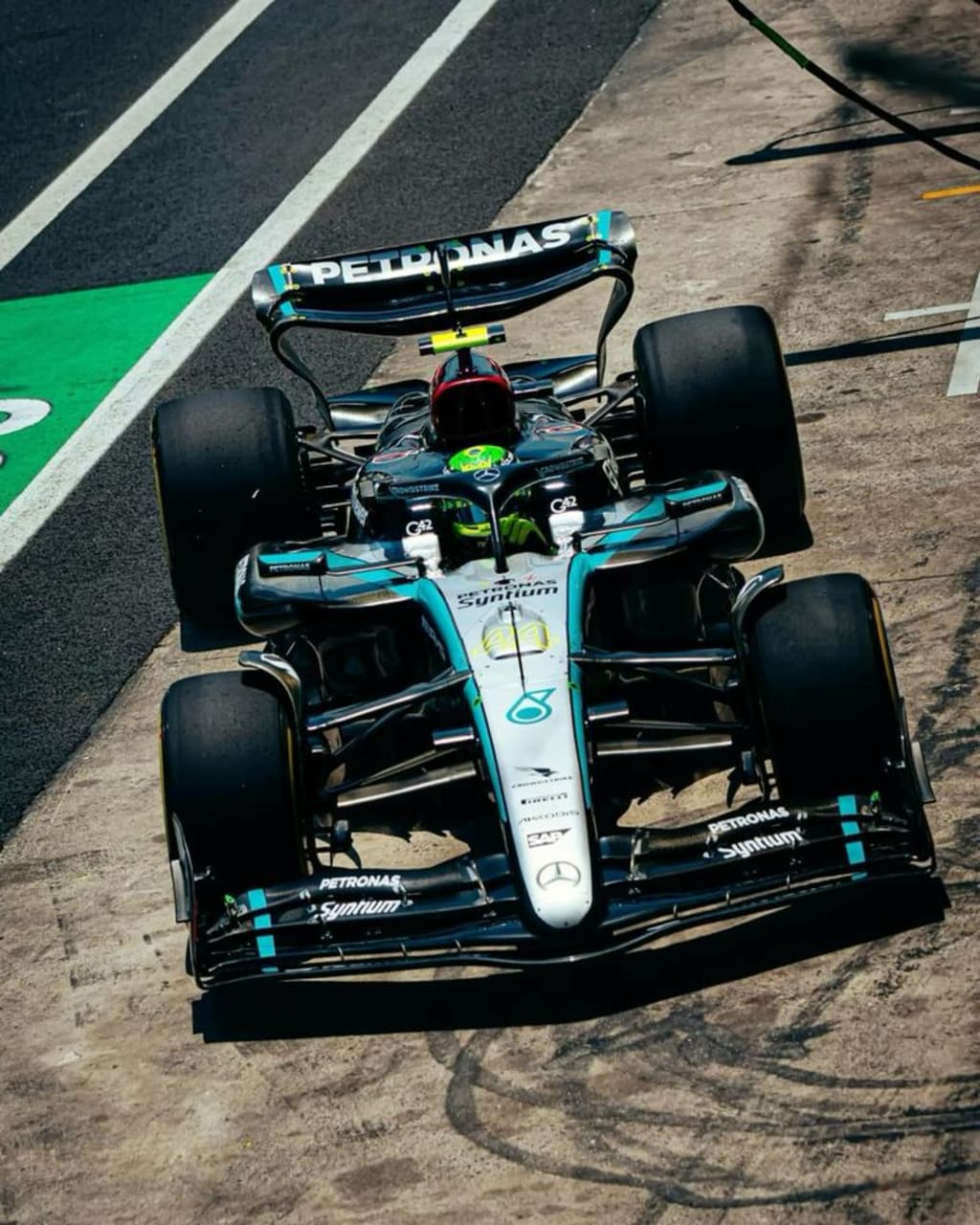
Formula 1 has always been a spectacle of evolution, where technological advancements, circuit design, and driver adaptability merge. The 2024 Qatar Grand Prix witnessed a staggering drop in lap times by 3.4 seconds compared to the previous year. This dramatic improvement stems from a combination of factors including car developments, tire behavior, track conditions, and the physical demands on drivers. Below, we delve into why the F1 cars seem to be "hanging on" to the edge of performance as they deliver these blistering times.
1. Evolution of Car Design and Aerodynamics
One of the most significant reasons for faster lap times in Qatar is the constant evolution of car designs. F1 teams continually refine aerodynamics, chassis construction, and suspension systems to extract maximum performance.
In 2024, several teams introduced mid-season upgrades tailored for high-speed circuits like Losail. These included enhanced floor designs, front wings optimized for cornering, and rear wing setups for better straight-line speed. Such advancements have allowed cars to generate more downforce, increasing grip through high-speed corners without sacrificing drag on straights.
Moreover, these upgrades often lead to higher speeds, particularly in sectors like Qatar’s long straights and sweeping corners. But this comes at a price: the margin for error shrinks, requiring drivers to push their cars to the very edge, or as they describe it, "hanging on."
2. Losail Circuit Modifications and Track Evolution
The Losail International Circuit underwent minor yet impactful modifications to its surface and curbs ahead of the 2024 race. Newly resurfaced asphalt offered higher levels of grip compared to the previous year, contributing significantly to quicker lap times. Additionally, updated track limits prompted drivers to explore more aggressive racing lines, allowing them to carry greater speeds into corners.
Track evolution throughout the weekend further played a role. As rubber laid down during practice and qualifying sessions, the grip levels increased, making the surface even faster for the race. This progressive improvement, coupled with favorable weather conditions, facilitated optimal performance.
3. Tire Performance and Strategy Adjustments
Tires are the sole contact point between an F1 car and the track, making them critical in achieving quicker laps. Pirelli, F1's official tire supplier, brought a revised range of compounds to Qatar for the 2024 season. These tires featured improved durability while maintaining high levels of grip.
However, the trade-off was evident: the increased durability led to higher operating temperatures, pushing the tires—and subsequently the cars—to their limits. Drivers had to carefully manage tire degradation, particularly on Qatar’s abrasive surface. This delicate balance of extracting peak performance from the tires while minimizing wear epitomized the sensation of "hanging on."
4. Drivers’ Physical and Mental Resilience
The Qatar GP is known for its physically demanding conditions due to intense heat and high humidity. In 2024, these factors were compounded by the increased speeds, requiring drivers to endure even higher g-forces in corners.
Drivers reported a greater need for precision and control to manage the finer thresholds of grip and stability. As cars approached their performance ceiling, the mental toll on drivers increased, with split-second decisions becoming critical to avoid mistakes that could lead to significant consequences. Their ability to "hang on" reflected their exceptional fitness and concentration levels.
5. Impact of Power Unit and Energy Recovery Systems
Modern F1 power units are marvels of engineering, combining turbocharged internal combustion engines with hybrid energy recovery systems (ERS). For 2024, advancements in ERS deployment allowed teams to maximize energy use during critical parts of the lap.
The Qatar circuit’s layout, with its blend of long straights and medium-speed corners, provided ample opportunities for harvesting and deploying electrical energy. Teams optimized their ERS settings to ensure maximum output in key areas, reducing lap times by delivering extra power when needed most.
6. Optimized Race Strategies and Data Analytics
Another key factor in the lap time drop was the teams’ improved understanding of Qatar’s circuit. With data from the previous year, teams devised better setups and strategies tailored for the unique challenges of Losail.
Simulations played a crucial role in determining the ideal car balance, tire strategy, and race management techniques. The use of cutting-edge data analytics enabled teams to predict track conditions and adapt setups in real-time, squeezing every possible millisecond out of their performance envelope.
7. FIA Regulations and Their Role
The 2024 F1 season saw the continuation of stringent FIA regulations aimed at maintaining safety while enhancing competition. However, minor adjustments to technical directives allowed teams more freedom in areas like brake cooling and weight distribution.
These seemingly small changes had a cumulative effect, allowing teams to refine their setups for optimal performance in Qatar's challenging conditions. While safety remained paramount, these regulatory tweaks also enabled cars to operate closer to their limits, contributing to the sensation of drivers "hanging on."
8. Lessons from the Past: Learning and Adapting
Qatar's 2024 Grand Prix lap-time improvement is a testament to the sport's learning curve. Teams used data from previous seasons to address weaknesses, improve reliability, and fine-tune their setups.
In addition, the Losail circuit's return to the F1 calendar meant teams had already studied and simulated the track in detail. Lessons from past races regarding tire wear, fuel consumption, and aerodynamics allowed teams to arrive in Qatar better prepared, pushing performance further.
9. Environmental Factors and Weather Conditions
Weather conditions in 2024 were more favorable than in previous years, with slightly cooler temperatures during the race weekend. This reduced stress on tires and power units, enabling cars to sustain higher performance levels over a race stint.
Moreover, the absence of strong winds ensured that aerodynamic setups remained consistent, allowing drivers to maintain stability through fast corners. These environmental factors, though subtle, played a role in shaving seconds off lap times.
10. The Fine Line: Risks of Operating at the Limit
While the drop in lap times is a cause for celebration, it also underscores the fine line between performance and danger. Cars operating at such high levels of efficiency leave little room for recovery in case of an error.
The drivers’ ability to “hang on” speaks volumes about their skill, but it also raises concerns about safety. The combination of increased speeds, physical stress, and tight margins means that a single mistake can lead to catastrophic consequences. The FIA and teams must continue to strike a balance between pushing performance boundaries and ensuring driver safety.
Conclusion
The 3.4-second lap-time improvement at the 2024 Qatar Grand Prix is a culmination of F1's relentless pursuit of innovation. From advancements in car design and tire technology to optimized strategies and driver adaptability, every element contributed to this remarkable leap in performance. However, this progress also comes with heightened challenges, as cars and drivers operate on the knife-edge of control.
As Formula 1 continues to evolve, the spectacle of drivers “hanging on” to these high-performance machines reminds us of the delicate balance between pushing boundaries and maintaining safety in one of the most thrilling sports in the world.
About the Creator
Mahalakshmi
"My name is Mahalakshmi, and I'm passionate about storytelling in all its forms. From fiction to real-life tales, I love writing all types of stories that inspire, entertain, and spark imagination. Join me on this creative journey!"
Keep reading
More stories from Mahalakshmi and writers in Gamers and other communities.
Roki Sasaki: The Rising Star in Baseball's Major League (MLB)
Roki Sasaki: The Rising Star in Baseball's Major League (MLB) Introduction Roki Sasaki, the sensational Japanese pitcher, has captured global attention with his remarkable skills, stunning velocity, and precision on the mound. Known for his record-breaking performances in Japan's Nippon Professional Baseball (NPB), Sasaki has generated widespread anticipation about a potential future in Major League Baseball (MLB). His impressive stats, dedication to the game, and comparisons with previous Japanese pitchers who made their mark in the MLB have made Sasaki a player to watch. Let’s delve into his career highlights, his pitching style, and the potential challenges and opportunities awaiting him in the MLB.
By Mahalakshmiabout a year ago in Gamers
Dominating with Dual-Wield Pistols in CoD BO7: Tips That Work
Dual-wield pistols have always had a place in Call of Duty, but in Black Ops 7 they feel sharper, faster, and more dangerous than before. With the right setup and mindset, running akimbo pistols is no longer just for flashy clips. It is a real option for close-range control, fast pushes, and aggressive objective play. Players who understand how these weapons behave can turn tight spaces into their own territory and force enemies to fight on uncomfortable terms.
By Smsankar Goswami3 days ago in Gamers
How to Succeed at the Benson Directory®
Congratulations and welcome to the Benson Directory® employee #22391! As our newest call handler, you will have the privilege of speaking with dozens of unique and interesting people on a daily basis as well as the opportunity to earn bonuses for high performance. Contained within this handbook you will find a set of ease to follow instructions designed to help you settle in to your new role and begin paving the way to success.
By S. A. Crawford3 days ago in Fiction




Comments
There are no comments for this story
Be the first to respond and start the conversation.