
Top 5 Blockchain Platforms to Launch a Bingo Game on in 2025
Why Choosing the Right Blockchain Platform Matters for Your Bingo Game Success in 2025

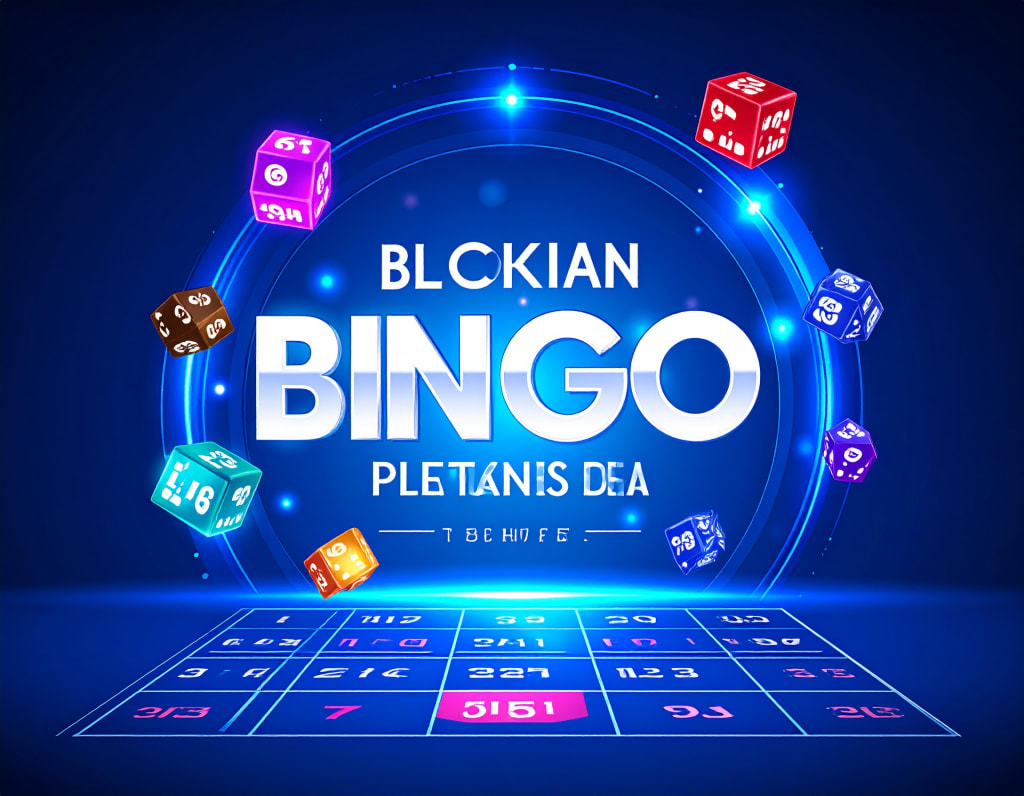
Web3 is no longer a buzzword it’s the backbone of innovation in the gaming world. And for game developers looking to launch a decentralized bingo game, choosing the right blockchain platform is the first big decision.
Blockchain isn't just about crypto it brings transparency, security, real rewards, and player ownership to the table. Whether you’re building a play-to-earn (P2E) bingo game, offering NFT bingo cards, or launching a community-owned bingo DAO, your blockchain choice shapes your entire project.
In this guide, we break down the 5 best blockchain platforms to develop a bingo game in 2025 each with its strengths, use cases, and pros and cons.
What to Look for in a Blockchain for Bingo Game Development
Before diving into the list, here are the key factors to consider when selecting a blockchain for your Web3 bingo game:
Key Evaluation Criteria:
Transaction Speed & Scalability
Gas Fees or Transaction Costs
Smart Contract Flexibility
NFT and Token Ecosystem
Developer Tools & Community Support
Security and Decentralization
1. Ethereum :The OG of Smart Contract Platforms
Why Ethereum?
Ethereum is the most battle-tested and widely adopted blockchain for dApps and NFT games. Its mature ecosystem makes it a natural choice for complex bingo games involving NFTs, tokens, and staking.
Pros:
Largest developer and user base
Highly secure and decentralized
Great NFT and DeFi support
Cons:
High gas fees during network congestion
Slower than newer chains
Best For: Premium bingo platforms with NFT assets, token economies, and advanced features.
Polygon : The Scalable Ethereum Layer-2
Why Polygon?
Polygon is an L2 solution for Ethereum, offering low fees and fast transactions. It’s ideal for mass-market bingo games that want Ethereum compatibility without high costs.
Pros:
Fast and cheap transactions
Compatible with Ethereum dApps
Large Web3 ecosystem
Cons:
Somewhat centralized architecture
Best For: Casual Web3 bingo games, especially mobile-first platforms.
3. Solana : Speed Meets Innovation
Why Solana?
With 65,000+ TPS and ultra-low fees, Solana is a powerhouse for real-time multiplayer games like live bingo. It also has growing NFT and DeFi ecosystems.
Pros:
Super fast and low-cost
Growing developer tools
Strong community
Cons:
Occasional network downtimes
Less decentralized than Ethereum
Best For: Live-action bingo with real-time updates and tokenized jackpots
4.Avalanche : Blazing Fast & Eco-Friendly
Why Avalanche?
Avalanche supports custom subnets ideal for creating a dedicated bingo ecosystem with its own tokens and game rules.
Pros:
Ultra-fast finality (under 2 seconds)
Subnet flexibility
Eco-conscious consensus mechanism
Cons:
Still evolving in gaming adoption
Best For: Developers looking to build a full-fledged bingo platform with custom economies.
5. BNB Chain :Binance’s Powerhouse Blockchain
Why BNB Chain?
Backed by Binance, BNB Chain offers strong infrastructure, cheap transactions, and global reach ideal for scalable bingo games with integrated crypto rewards.
Pros:
Low fees
Huge user base from Binance
Easy DApp deployment
Cons:
Centralized governance concerns
Best For: P2E bingo games targeting global adoption and quick scaling.
Honorable Mentions: Other Chains Worth Exploring
Near Protocol: Easy to use and fast
Fantom: Low-cost, EVM-compatible
Arbitrum & Optimism: Layer-2 solutions for Ethereum scalability
These are great alternatives if your project needs additional flexibility or modular architecture.
How to Choose the Right Blockchain for Your Bingo Game
Choosing the right blockchain for your bingo game can significantly impact your game’s performance, user experience, and long-term scalability. In blockchain bingo game development, developers must evaluate key factors such as transaction speed, security, decentralization, smart contract compatibility, and network fees. A blockchain with low latency and minimal gas fees ensures smooth gameplay, while strong security features help build player trust in fairness and transparency.
Additionally, scalability is vital your chosen platform should support growing user traffic without compromising performance. Popular blockchains like Ethereum, Solana, and Polygon offer unique advantages, such as robust ecosystems and developer tools. However, some platforms may face congestion or higher operational costs, so it’s essential to match the blockchain's strengths with your bingo game’s goals.
Ultimately, the success of your blockchain bingo game development depends on choosing a platform that aligns with your game mechanics, user base, and monetization strategy. A wise choice today ensures a seamless, fair, and rewarding gameplay experience for players in 2025 and beyond.
Final Thoughts:
In the fast-growing world of Web3 gaming, bingo is getting a much-needed digital makeover. Whether you’re designing a play-to-earn bingo game, NFT collectible platform, or real-time multiplayer experience, the blockchain you choose is your foundation.
About the Creator
PixelPlayground
PixelPlayground creates 1,000+ unique games across mobile, PC, and web. From casual fun to strategy, we deliver unforgettable gaming experiences for players worldwide.
Keep reading
More stories from PixelPlayground and writers in Gamers and other communities.
Becca
"Everything is so... flat." Denille said stupidly as she looked around her new neighborhood. She looked around at the muted desert where even the smallest sign of life seemed to have given up. The plant life was shrubs that were half cooked by the heat and where there should have been a lawn, a mess of white rocks laid glistening in the sun. Even the sky looked stretched thin, like the sun had ironed it smooth. She’d moved from Riverside, where at least there were hills, but here in Barstow, everything felt baked and brittle.
By Sara Wilson8 days ago in Fiction



Comments
There are no comments for this story
Be the first to respond and start the conversation.