
This is Mafia: Definitive Edition
Mafia Turn life to 1930s America


When Mafia: Definitive Edition was released, it wasn’t just another high-definition remaster or nostalgic cash grab. It was a full-scale remake — a modern reconstruction of the 2002 classic that set a standard for storytelling in crime-based video games. Developed by Hangar 13 and published by 2K Games, the remake rebuilds every brick, bullet, and back alley of Lost Heaven from the ground up, transforming it into a cinematic experience that bridges old-school charm with modern technology. While it’s not without flaws, Mafia: Definitive Edition stands as one of the most faithful and respectful remakes of the past decade.
A Story That Never Gets Old
At its core, Mafia: Definitive Edition tells a timeless story about loyalty, ambition, and the consequences of choices. Set during the Prohibition era in the fictional city of Lost Heaven — heavily inspired by 1930s Chicago — the game follows Tommy Angelo, an ordinary taxi driver who finds himself entangled with the Italian mob after a chance encounter. One night of helping two gangsters escape changes his life forever, pulling him deep into the criminal underworld of Don Salieri’s empire.
What makes the narrative so compelling is its grounded, human approach to the mafia genre. Tommy isn’t a stereotypical action hero — he’s a man swept up in circumstances beyond his control. His rise and fall are told through cinematic storytelling that rivals Hollywood mob classics like The Godfather or Goodfellas. Every mission contributes to the overarching narrative, showing Tommy’s evolution from a naïve driver to a hardened mobster questioning his own morality.
The remake doesn’t just retell the story — it enhances it. Characters have been re-written and re-voiced with more depth and emotion. Sarah, Tommy’s love interest, has a more meaningful presence, and Don Salieri’s motivations are more nuanced. This modernized script gives the narrative greater emotional weight and makes it easier for new players to connect with the cast.
Visuals and Atmosphere
If there’s one area where Mafia: Definitive Edition truly shines, it’s the visual presentation. Hangar 13’s remake engine breathes new life into Lost Heaven, transforming it into a vibrant, believable cityscape. Every rain-soaked street, flickering neon sign, and vintage car adds to the authenticity of the 1930s setting. The lighting and weather effects are stunning — rain reflects off cobblestones, headlights cut through thick fog, and sunsets bathe the skyline in golden hues.
The city doesn’t just look good — it feels alive. Pedestrians stroll about, newsboys shout headlines, and classic cars honk as they struggle through narrow streets. While the game isn’t an open-world sandbox in the GTA sense, its tightly constructed world encourages immersion. Driving through Lost Heaven feels like traveling back in time, and it’s easy to lose yourself in its atmosphere even outside of missions.
Gameplay and Mechanics
One of the main challenges for any remake is updating the gameplay without losing the original’s spirit. Hangar 13 handles this balance with care. The driving mechanics have been refined, feeling smoother and more natural while retaining the weighty, realistic physics that made the original stand out. The gunplay has been completely overhauled — weapons now feel punchy, aiming is tighter, and cover-based combat introduces a more modern rhythm to the action.
However, Mafia: Definitive Edition remains a linear experience. The story unfolds through a sequence of structured missions, leaving little room for free exploration. Once the main campaign is complete, players can access “Free Ride” mode to explore the city at their leisure, but it’s largely a cosmetic feature rather than a gameplay-rich sandbox. This design choice might disappoint players used to the endless activities of modern open-world games, but it also keeps the focus on storytelling — the franchise’s strongest pillar.
Classic difficulty mode is a nostalgic treat for returning fans. It restores the challenging car chases, realistic police pursuits, and demanding combat mechanics from the 2002 version. It’s a nice touch for purists who want to relive the unforgiving charm of the original.
Sound, Music, and Voice Acting
The audio design in Mafia: Definitive Edition is nothing short of spectacular. From the hum of vintage engines to the echo of gunfire in alleyways, every sound helps immerse the player in the era. The orchestral score perfectly captures the tension and drama of Tommy’s journey, while the licensed jazz and swing tracks add flavor to every drive through the city.
The voice acting is another standout feature. Andrew Bongiorno’s performance as Tommy Angelo brings emotional depth and subtlety to the character, while Glenn Taranto’s portrayal of Don Salieri is chillingly charismatic. The dialogue feels more natural compared to the original game, and the motion capture work ensures that facial expressions and gestures carry real weight in every scene.
Strengths
Engaging, emotionally rich narrative that feels timeless
Visually stunning world-building that brings 1930s America to life
Improved controls and combat without losing the classic touch
Excellent voice acting and cinematic direction
Authentic soundtrack that perfectly matches the period
Weaknesses
Limited open-world activities beyond the main missions
Occasional AI quirks during chases and shootouts
Some dated mission design that shows its early 2000s roots
Lack of replay value once the main story is complete
Final Verdict
Mafia: Definitive Edition isn’t just a remake — it’s a resurrection. It takes a beloved cult classic and transforms it into a visually breathtaking, emotionally charged experience that can stand proudly among today’s story-driven games. While its linear structure and limited exploration may not appeal to everyone, its narrative craftsmanship, world-building, and attention to detail make it an unforgettable trip back to the golden age of organized crime.
For newcomers, it’s a perfect introduction to the Mafia series. For returning fans, it’s a nostalgic homecoming done right. Hangar 13 has proven that remakes can honor their source material while still feeling fresh and relevant.
“Whether online or offline, how we play says a lot about who we are. Respect, fairness, and kindness make any game — and any life — truly worth playing.”
About the Creator
Keep reading
More stories from Games Tale and writers in Gamers and other communities.
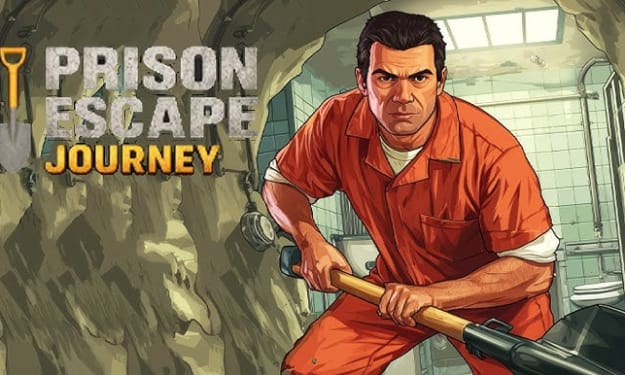
Will He Escape? – Prison Escape Simulator Review
Prison Escape Simulator is a game that immerses players into one of the most intense and high-stakes situations imaginable: breaking out of a maximum-security prison. Developed as a first-person simulation and strategy game, it challenges your creativity, patience, and ability to think on your feet. From planning your route to sneaking past guards, every moment in Prison Escape Simulator demands attention to detail and strategic thinking. It’s not just about escaping—it’s about surviving the journey to freedom.
By Games Tale2 months ago in Gamers
Exploring the Depths: Subnautica 2’s Gameplay & Secrets
Subnautica 2 is shaping up to be one of the most anticipated survival adventure games of the decade. Developed by Unknown Worlds Entertainment and backed by publisher Krafton, this sequel pushes players into a brand‑new alien ocean world filled with breathtaking beauty, terrifying wonders, and deeply mysterious lifeforms. After years of anticipation following its announcement, the game is now slated to enter Early Access in 2026, delivering an expansive underwater experience that promises to deepen the thematic and mechanical roots of the beloved Subnautica universe.
By Games Mode On4 days ago in Gamers
I Am Future Review 2026
Post-apocalyptic games are usually filled with danger, despair, and constant combat. I Am Future: Cozy Apocalypse Survival takes a very different approach. Instead of focusing on fear and destruction, it presents the end of the world as a quiet opportunity to rebuild, relax, and rediscover joy in small, meaningful activities. Developed by Mandragora and published by tinyBuild, I Am Future blends survival mechanics with cozy life-sim elements, creating a unique experience that stands apart from traditional survival games.
By Games Mode Ona day ago in Gamers


Comments
There are no comments for this story
Be the first to respond and start the conversation.