
The start and end of video games
The evolution of video
Introduction
Video games have come a long way since the simple, pixelated graphics of Pong. Over the years, they have evolved into immersive experiences that captivate players of all ages. From technological advancements to creative innovations, the evolution of video games has been nothing short of remarkable. In this article, we will explore the major milestones in the history of video games and how they have transformed into the interactive and visually stunning forms we know today.
The Early Days: From Pong to Mario
The story of video games begins in the early 1970s with the birth of Pong, a basic tennis simulation that kick-started the industry. Pong was a sensation, introducing the concept of interactive entertainment to the masses. Soon after, arcade machines flooded the market, offering games like Space Invaders and Pac-Man, which became instant classics.
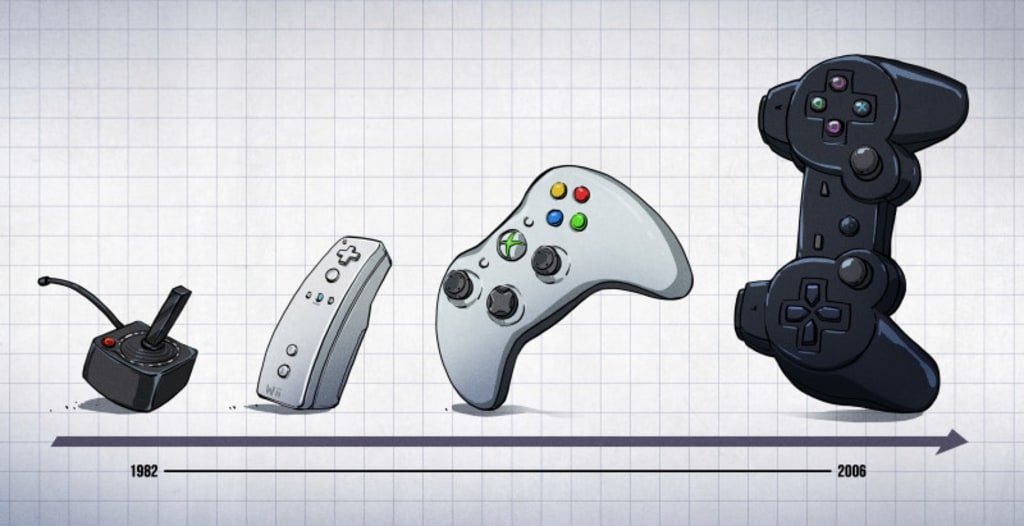
The introduction of home consoles, such as the Atari 2600 and the Nintendo Entertainment System (NES), revolutionized gaming by bringing the arcade experience into living rooms. These consoles popularized iconic characters like Mario and introduced genres such as platformers and adventure games. The limited graphics and sound capabilities of these early systems did little to dampen the enthusiasm of gamers, as they were captivated by the joy of playing.
The Rise of 3D Graphics and the CD-ROM Era
The late 1980s and early 1990s witnessed a major leap in video game technology with the introduction of 3D graphics. Games like Wolfenstein 3D and Doom brought first-person shooters to the forefront, immersing players in virtual worlds like never before. The Super Nintendo Entertainment System (SNES) and the Sega Genesis pushed the boundaries of graphical capabilities and offered enhanced gaming experiences.
The mid-1990s saw the rise of CD-ROMs, which allowed for more storage space and higher-quality audiovisuals. This led to the birth of iconic franchises like Resident Evil and Final Fantasy, which showcased the potential of immersive storytelling and cinematic experiences in gaming. The PlayStation and the Nintendo 64 further popularized 3D gaming, delivering titles like Super Mario 64 and Metal Gear Solid that left an indelible mark on the industry.
Online Multiplayer and the Modern Era
The late 1990s and early 2000s witnessed another significant shift in video gaming with the advent of online multiplayer. Games like Quake and Ultima Online introduced players to the world of online gaming, enabling them to connect and compete with others globally. The rise of broadband internet and the popularity of consoles like the PlayStation 2 and Xbox further fueled the growth of online gaming.
With the turn of the millennium, gaming entered the modern era, characterized by increasingly powerful hardware and more realistic graphics. The launch of the Xbox 360, PlayStation 3, and later the PlayStation 4 and Xbox One, brought high-definition gaming to the masses. Titles like Grand Theft Auto V, The Witcher 3: Wild Hunt, and The Last of Us showcased the artistic and storytelling potential of video games, rivaling that of movies and literature.
The Emergence of Virtual Reality and Augmented Reality
In recent years, the evolution of video games has taken another leap forward with the emergence of virtual reality (VR) and augmented reality (AR) technologies. VR headsets like the Oculus Rift and the HTC Vive offer players a fully immersive experience, transporting them into virtual worlds. Games like Beat Saber and Half-Life: Alyx have pushed the boundaries of what is possible in VR, showcasing the potential for interactive storytelling and immersive gameplay.
Similarly, AR has gained popularity through games like Pokémon Go and Minecraft Earth, allowing players to interact with virtual elements in the real world. With the introduction of devices like the Microsoft HoloLens and the Apple ARKit, AR gaming has the potential to reshape the way we interact with our surroundings.
Conclusion
The evolution of video games has been a remarkable journey, from the early days of Pong to the immersive virtual realities of today. Technological advancements, creative innovations, and the passion of developers and gamers have propelled the industry forward. As we look to the future, it is exciting to imagine the possibilities that lie ahead, as gaming continues to evolve and captivate audiences with new experiences and adventures yet to be imagined.
About the Creator
Keep reading
More stories from writers in Gamers and other communities.
The Honed Ashlar, Part 1 of 5
Part 1: The Scaffolding of Ruin The bus ride into the city had felt like being swallowed by a cold, metallic throat. Silas leaned his forehead against the vibrating window of the Greyhound, watching the California coastline transform from a dream of salt and gold into a nightmare of concrete ribs. To everyone else on the bus, the skyline of Tinseltown was a promise—a soaring monument to ambition. To Silas, it was a Structural Failure.
By Nathan McAllister4 days ago in Gamers



Comments
There are no comments for this story
Be the first to respond and start the conversation.