
The Sonic The Hedgehog Story
The story of how Sega's beloved mascot came to be
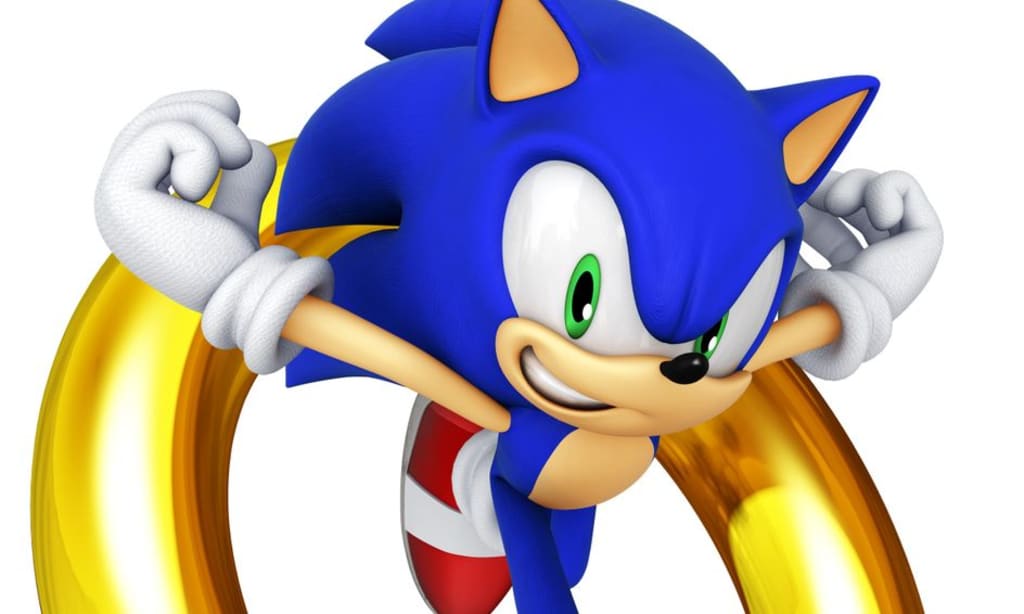
Sonic The Hedgehog is Sega's beloved mascot and is known worldwide for his super fast speeds an d foiling an evil scientist's plots to take over the world. Since Sonic was first introduced to gamers in his first Sonic The Hedgehog game in 1991, Sega has introduced dozens of video games with the super fast hedgehog. Sonic has even gotten a few a tv shows and a movie that was released 2020.
Before the video game Sonic The Hedgehog was released in 1991, Sega was in dire need of a video game character that could rival Nintendo's Super Mario in the video game world. Several Character designs were submitted by the research and development department for consideration. Many of them included an Armadillo, a dog, a Theodore Roosevelt look alike in pajamas, and a rabbit. Naoto Ohshima took some of these designs with him to New York and asked random passerby's for feedback and their opinions on the designs. A spiky teal hedgehog codenamed "Mr Needlemouse" led these informal polls, Naoto Ohshima felt that people selected it because "it transcends race, gender and things like that". Naoto Ohshima returned to Japan, pitched this to the department and the hedgehog was ulitmately selected as the new mascot.
The detailed design of the hedgehog that would later be known as Sonic, was aimed to be something that could be easily drawn by children and be familiar, as well as exhibit a "cool" attitude. Sonic's blue pigmentation was chosen to match Sega's cobalt blue logo, and his shoes evolved from a design inspired by Michael Jackson's boots with addition of the color red. To help sell the idea to Sega's higher ups Naoto Ohshima pitched the concept framed by a fictional pilot that earned the name "Hedgehog" and had decorated his plane with images of Sonic. When the pilot retired he married a children's book author who wrote stories about the sonic character, the first of which became the plot of the first sonic game. Naoto Ohshima stated that this influence can be seen in the logo of the game which features Sonic in a pilot's wing emblem. During creation Sonic was created without the ability to swim because of a mistaken assumption by Yuji Naka that all hedgehogs could not do so. A group of 15 people started work on the first Sonic The Hedgehog game and renamed themselves "The Sonic Team". The game's soundtrack was composed by Masato Nakamura of the band Dreams Come True. Sega sponsored the group's "Wonder 3" tour, painting Sonic on the tour bus, distributing pamphlets advertising the game, and having footage of the game broadcast above stage prior to its release.
Sonic The Hedgehog was released on June 23 1991, and Sonic was seen as the only competitor for Mario. Super Mario was released 6 years prior, and was seen as a classic however Sonic gave players something a little different. Sonic had a better system than Nintendo, and the levels were fascinating for gamers at the time. The game had better graphics, and slopes that let you take advantage of the main character's speed. It was possible to beat a Sonic game level super fast. Apart from the obvious advantage of the speed that the character has, there are hidden pathways on the map that allow you to skip the boring parts of it. The game rewards you for being smart and lets you feel unique for uncovering a hidden shortcut.
After the release of the first Sonic The Hedgehog game, Sonic The Hedgehog would start finding his way into the hearts and minds of gamers and critics alike. In fact he got so popular in the early 90s that Sonic got his own tv show, "The Adventures Of Sonic The Hedgehog" & "Sonic The Hedgehog" both would air from 1993 until their cancellations the same year or in 1994. The series cemented Sonic as one of the most recognized video games heroes and are still showing reruns in some countries. Sonic's most popular and longest running tv show "Sonic X" would air in 2003 until its cancellation in 2006, the only Sonic The Hedgehog show to get more than 2 seasons.
Sonic's original design had short quills, a round body and no visible irises. When Sega decided to work on a sequel to the original Sonic The Hedgehog video game, Sonic underwent a slight redesign. His head ratio was changed from 1:2 to 1:2.5, besides that no other changes were made to his design. Sonic The Hedgehog 2 was released on November 21 1992, just a little over a year after the first Sonic game was released. Each zone contains 2 level acts instead of 3 like Sonic 1, but in return players get to experience twice as many levels. Along with that, Sonic is also given a sidekick named Tails who follows Sonic around as players control Sonic throughout the entire game. Like Sonic the Hedgehog 2, Sonic the Hedgehog 3 was developed in California by Sega Technical Institute. After the completion of Sonic 2, STI split into two teams: one comprised Japanese developers, who worked on Sonic 3, and the other Americans, who worked on Sonic Spinball. Development began on a new Sonic The Hedgehog game in January 1993, with a deadline of February 1994, when Sega and McDonald's would launch a major promotional campaign. Sonic The Hedgehog 3 was released on February 2 1994, Sonic Spinball November 14 1993.
Starting with Sonic Adventure which was released in 1998, players got to hear Sonic's voice in the video games. Ryan Drummond was hired on to voice Sonic The Hedgehog, however in 2003 4kids Entertainment aquired the US dubbing rights for the anime series Sonic X. 4Kids hired their own in-house actors to provide the voice over for Sonic X, after unprofessional and questionable lack of communication, Ryan was then contacted by 4Kids employee Michael Haigney who was the producer of Sonic X. He claimed 4Kids could not use Ryan and the other video game voice actors, because they did not live in New York where 4Kids is headquartered. Despite offering to move to New York at his own expense, Ryan was fired. Sega was working on video game "Shadow The Hedgehog" at the time of his firing. The last game he did as Sonic: Sega Superstars, a party video game developed by the Sonic Team for Playstation 2. Jason Griffith was hired on by 4kids entertainment to voice Sonic The Hedgehog in Sonic X. Sega soon after decided to replace all the voice actors for Sonic The Hedgehog series with the voice actors team for Sonic X.
Over the next decade, Sonic would be getting a number of games that neither players nor critics like. Including Sonic 06, Sonic Lost World and Sonic Forces, all released between 2006 and 2017. In 2011 it was time for Sonic's 20th anniversary and Sega was not going to pass up the opportunity to celebrate it, on November 1 2011 Sonic Generations was released. Sonic Generations brings in a new villain called the time eater, and brings back classic levels from past Sonic games including City Escape from Sonic Adventure 2, Crisis City from Sonic 06 and Rooftop Run from Sonic Unleashed. The game reimagines levels from previous Sonic games and gives players the opportunity to replay them this time in HD and with much better graphics.
About the Creator
Keep reading
More stories from OurBob 775 and writers in Gamers and other communities.
Sonic The Hedgehog's road to the big screen
In 1993 two Sonic tv shows were released that same exact year “Sonic The Hedgehog” & “The Adventures Of Sonic The Hedgehog”. At this point it seemed like the best next step would be to make a film, and MGM bought the rights to it. That's right you heard me correctly the hedgehog and the lion from MGM teamed up to make a movie. A script was written called “Sonic Wonders Of The World” that was submitted in 1995. The script seemed to get positive reactions from both MGM and Sega, but production was delayed and creative differences and companies wanting higher shares of the profits got in the way. MGM ultimately made the decision to cancel the project, DreamWorks then attempted to revive it but they too failed.
By OurBob 7754 years ago in Gamers
U4gm MLB The Show 26: A Complete Evolution of Baseball Gaming
MLB The Show 26 takes baseball simulation to an entirely new level. This year’s edition isn’t just a simple update — it represents a full evolution of the franchise, combining realism, strategy, and fun in one polished package. From career journeys to competitive online play, every mode has been refined, making the game more immersive and rewarding than ever before.
By Billo Naliabout 3 hours ago in Gamers
Doom Eternal Will Push You Into Chaos You Cannot Escape From
Few shooters deliver pure adrenaline like Doom Eternal. Developed by id Software and published by Bethesda Softworks, the game builds on the legacy of the iconic Doom while pushing the formula to new extremes. Available on Xbox, it represents one of the most intense and demanding action experiences in modern gaming.
By Lukáš Hrdlička7 days ago in Gamers


Comments