
The Role of Web3 in Bingo Game Development: NFTs and Play-to-Earn Models
NFTs and Play-to-Earn Models
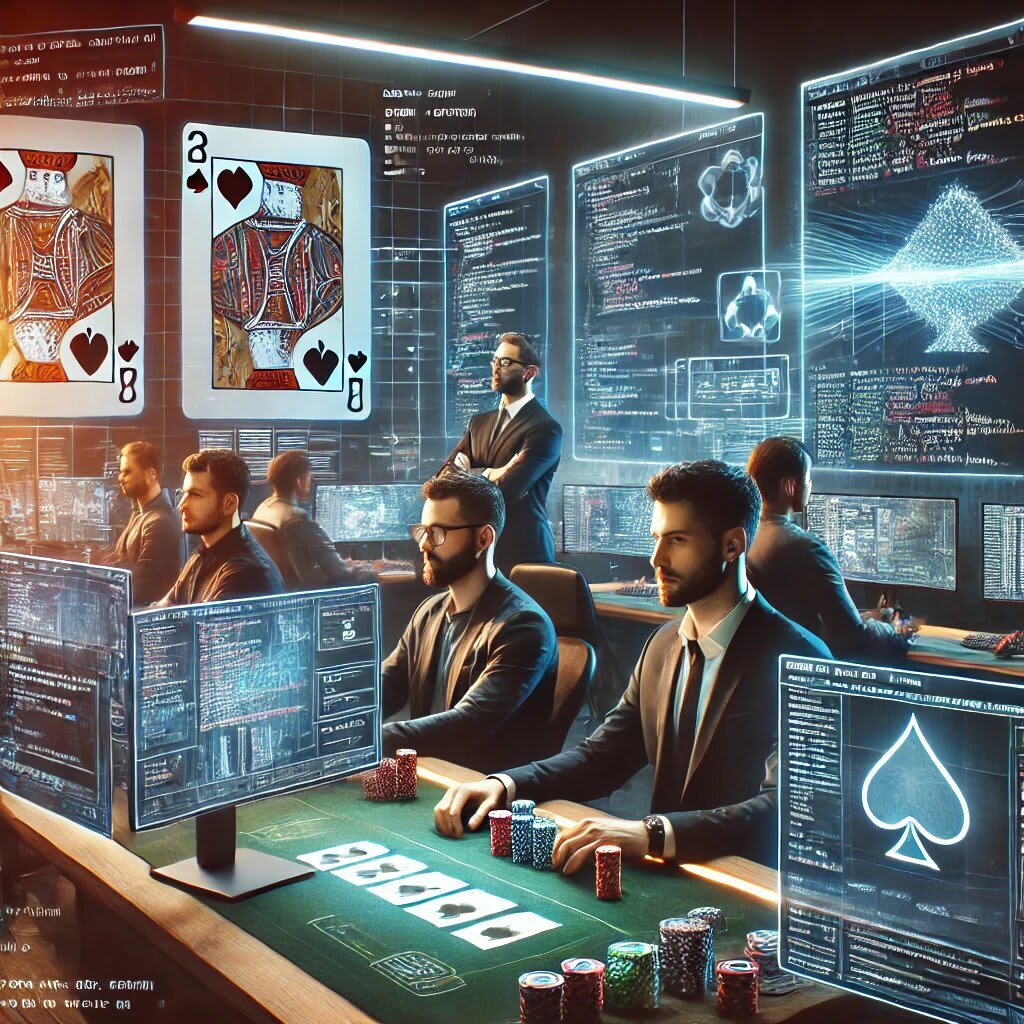
In recent years, the gaming industry has seen a profound transformation, fueled by the rise of Web3 technologies. Web3 is revolutionizing how games are created, played, and monetized, bringing with it decentralized applications, blockchain, non-fungible tokens (NFTs), and play-to-earn (P2E) models. Traditional bingo games are no exception, as these technologies introduce fresh opportunities to enhance user experiences, create new economic models, and foster community-driven gameplay. This article explores the evolving role of Web3 in bingo game development, focusing on NFTs and play-to-earn mechanics.
Web3 and the Decentralized Future of Gaming
Web3 refers to the next generation of the internet, where users control their data and digital assets through decentralized networks, primarily using blockchain technology. Unlike the centralized systems of Web2, where companies control user data and transactions, Web3 empowers players with more ownership and autonomy over their in-game assets and experiences. This decentralization has profound implications for the gaming industry, particularly for games like bingo, where social interaction, rewards, and collectibles play a significant role.
Bingo, traditionally a simple game based on luck, has become an increasingly popular platform for innovation through Web3. Blockchain technology, NFTs, and the P2E model are transforming bingo into a game that not only entertains but also the potential for players to earn and trade digital assets.
The Role of NFTs in Bingo Games
Non-fungible tokens (NFTs) have become one of the cornerstones of Web3 gaming. NFTs are unique digital assets that can represent a wide array of items, from collectibles to in-game assets such as characters, skins, and even virtual land. What sets NFTs apart from traditional digital items is their uniqueness and proof of ownership, secured by blockchain technology.
In the context of bingo, NFTs can play a transformative role. One of the most obvious applications is the creation of collectible bingo cards. Instead of using paper or digital cards that are randomly generated each game, NFTs can represent rare, limited-edition bingo cards that hold intrinsic value. Players who own these NFT cards might find that they are not only rare but also come with special benefits—such as higher chances of winning, access to exclusive bingo games, or the ability to trade them in a secondary market.
Additionally, NFTs can be used to unlock custom in-game assets. For example, bingo platforms could offer NFT-backed avatars or skins that players can purchase, trade, or upgrade based on their gaming achievements. These NFTs, because of their verifiable ownership and rarity, can add an element of prestige to the bingo experience, making the game more engaging and rewarding.
Play-to-Earn Models and Their Impact on Bingo
One of the most exciting aspects of Web3 technology is the play-to-earn (P2E) model. This model allows players to earn real-world rewards or cryptocurrency simply by playing a game. In traditional bingo, players buy tickets to participate, and the winner takes home a cash prize or other rewards. However, the introduction of the P2E model takes things a step further, offering players additional incentives to engage with the game and invest time into it.
With P2E bingo games, players might earn cryptocurrency or NFTs by completing certain objectives, achieving milestones, or winning a set number of games. These earnings could be in the form of tokens that can be spent on in-game purchases, exchanged for fiat currency, or traded on blockchain marketplaces. This creates a symbiotic relationship between the game and the player—the more a player engages, the more they stand to earn.
For example, players might earn tokens by participating in daily bingo challenges, entering exclusive NFT bingo tournaments, or even staking their NFT bingo cards to increase their chances of winning. Some platforms may also allow players to own virtual bingo halls or become bingo hosts, where they can earn rewards by managing and organizing games.
The Benefits of Web3 for Bingo Game Developers
From a game development perspective, the integration of Web3 technologies can offer numerous benefits. By incorporating NFTs and P2E mechanics, bingo developers can tap into a new and growing market of players who are interested in earning tangible rewards while playing. This also enables a more engaging and community-driven environment, as players are incentivized to interact and collaborate within the game.
Additionally, blockchain technology ensures transparency and fairness. Every transaction—whether it’s a bet, prize payout, or NFT trade—is securely recorded on the blockchain, providing players with confidence that the game is fair and their earnings are protected. This is particularly important in a game like bingo, where players are investing real money to participate.
The decentralized nature of Web3 also allows developers to create games that are less reliant on centralized servers. This reduces operational costs and risks, offering a more sustainable model for long-term game development. Furthermore, decentralized governance mechanisms, such as decentralized autonomous organizations (DAOs), can empower the bingo community to participate in decisions about game features, updates, and reward distributions.
Challenges and Considerations
Despite the promise of Web3, there are challenges and considerations that developers must address when integrating these technologies into bingo games. One major hurdle is educating players about how blockchain, NFTs, and P2E models work. Many bingo players are still accustomed to traditional gameplay, so making the transition to Web3 can be daunting for some.
Additionally, Web3 games often require players to have a certain level of technical knowledge, including setting up cryptocurrency wallets and understanding the intricacies of tokenomics. This barrier to entry could potentially limit the growth of Web3 bingo games unless developers make the onboarding process as user-friendly as possible.
Scalability and transaction fees are also important considerations. High gas fees on certain blockchains (such as Ethereum) can deter players from engaging with the game, especially when microtransactions are involved. Developers must find ways to mitigate these issues by opting for more scalable blockchain solutions or designing in-game economies that minimize costs.
Conclusion
Web3 technologies are set to revolutionize bingo games, bringing about new ways for players to earn, collect, and engage. Game development companies, such as XYZ Studios or similar innovative firms, are leveraging these technologies to integrate NFTs and adopt play-to-earn models, creating a more immersive and rewarding experience for players. With these innovations, bingo is no longer just about luck—it’s about ownership, community, and the potential to earn real-world rewards. While challenges remain, the future of bingo, in the age of Web3, holds exciting possibilities for both developers and players alike.
About the Creator
Keep reading
More stories from gammming world and writers in Gamers and other communities.
How to Choose the Right Snake and Ladder Game Development Company in 2025
The digital gaming industry is expanding at a rapid pace, and classic games like Snake and Ladder are finding a new life in the virtual world. Whether you’re an entrepreneur planning to launch your own game or a business looking to expand into gaming, selecting the right game development company in 2025 is crucial. Here are the key factors to consider when making your choice.
By gammming world about a year ago in Gamers
Master the New Economy: The Best Way to Use Magic Dust After Update 34.0
The recent arrival of Update 34.0 in Rush Royale has completely shifted the ground beneath our feet. For long-time players, the game once felt like a steady climb of critical damage and equipment grinding. Now, the developers have introduced a total rework of the gear system, replaced enchantments with artifacts, and redefined how we value our most precious resources.
By Richard Bailey4 days ago in Gamers
Ludacris and Nelly draw backlash over bookings at MAGA-coded music festival
Ludacris and Nelly headlining a mostly right-wing event is good for them. It’s also great for the genre of hip hop. The two rap veterans have showcased their talents on other stages. Why can’t they perform for mostly MAGA folks and grab that bag?
By Skyler Saunders4 days ago in Beat


Comments
There are no comments for this story
Be the first to respond and start the conversation.