
THE ROLE OF THE OLYMPIC CLOSING CEREMONY IN CELEBRATING ATHLETES
Recognition of Athletes:Achievements


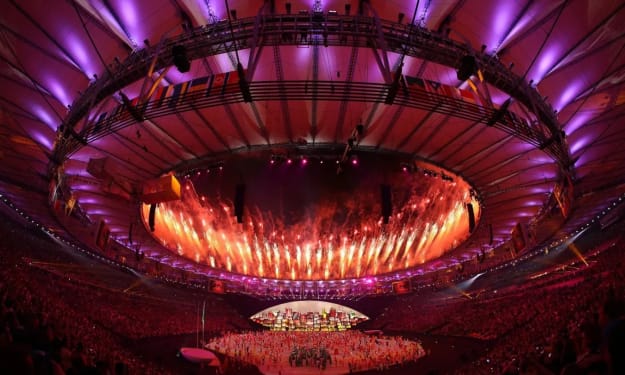
The Olympic Closing Ceremony plays a pivotal role in honoring the athletes who have competed in the world’s premier sporting event. While the Opening Ceremony is a grand spectacle that kicks off the Games, the Closing Ceremony serves as a powerful culmination, not only marking the end of the event but also celebrating the achievements of the athletes. This final event is filled with emotions, gratitude, and recognition for the athletes’ dedication, hard work, and sportsmanship.
(I) A Celebration of Athlete’s Achievements
The primary role of the Olympic Closing Ceremony is to celebrate the accomplishments of the athletes. Over the course of the Games, athletes from around the world have pushed their limits to achieve excellence in their respective sports. The Closing Ceremony serves as a platform to highlight these remarkable feats. The athletes who have won medals are often the focus, as they take the stage to be honored and acknowledged for their success. However, the ceremony also celebrates the spirit of every competitor, recognizing the hard work that led them to this global event, regardless of their medal tally.
(II)Fostering Unity and Sportsmanship
The Olympics is more than just a competition; it is a celebration of global unity. At the Closing Ceremony, athletes from different nations come together, often marching alongside their rivals in a show of camaraderie. The symbolism of athletes from every corner of the globe gathering together to mark the end of the Games reinforces the Olympic values of friendship, respect, and excellence. It underscores the idea that regardless of nationality or background, athletes share a universal bond through sport.
The act of passing the Olympic flag to the next host city is another powerful moment during the ceremony, symbolizing a continuous cycle of global unity and the celebration of sportsmanship. This handover tradition highlights the Olympic ideals of peace and unity, where athletes are seen not as competitors but as individuals united by the joy of sport.
(III)Honoring the Host City and Volunteers
While the athletes take center stage, the Closing Ceremony also acknowledges the contributions of the host city and its people. This includes thanking the volunteers, the organizing committees, and the citizens who have played a vital role in making the Games successful. The Olympics cannot happen without the support of countless individuals, from the people who run the logistics behind the scenes to the fans who fill the stands. Their contributions are crucial in ensuring that the Games run smoothly, and the Closing Ceremony is an opportunity to show appreciation for their hard work.
Additionally, the host city often uses the Closing Ceremony to showcase its culture, with performances, dances, and artistic presentations that reflect its heritage. This not only provides entertainment but also leaves a lasting cultural imprint on the world, as each host city shares its unique identity with the global audience.
(IV)Emotional Farewells and Tributes
The Closing Ceremony is a time for reflection, where athletes and fans alike come to terms with the conclusion of the Games. It’s a chance for athletes to say goodbye to their Olympic experience, often filled with emotions of joy, pride, and even sadness. For many athletes, the Olympics represent the culmination of years of training and sacrifice, and the Closing Ceremony marks the end of a long journey.
Tributes to athletes who are retiring or those who have passed away are sometimes incorporated into the ceremony. These moments allow the Olympic community to express gratitude and remembrance for those who have made significant contributions to the Games and to sport in general. The Closing Ceremony thus acts as a moment of emotional closure for both athletes and fans.
(V)Inspiring Future Generations
One of the most significant aspects of the Olympic Closing Ceremony is its ability to inspire the next generation of athletes. The ceremony, with its stunning performances, heartfelt moments, and recognition of outstanding achievements, serves as a reminder of the power of sport and the pursuit of excellence. As the athletes are celebrated, they become role models for young people around the world, motivating them to pursue their own Olympic dreams.
By showcasing the determination, discipline, and resilience of the athletes, the Closing Ceremony leaves a lasting legacy. It encourages future generations to engage in sports and to strive for greatness in their own pursuits. This is especially important in fostering a culture of physical fitness and global cooperation.
(VI) A Grand Celebration of Olympic Spirit
Above all, the Olympic Closing Ceremony is a grand celebration of the Olympic spirit. It encapsulates everything the Games stand for: the pursuit of excellence, international unity, and the power of sports to bring people together. While the Opening Ceremony begins the journey, the Closing Ceremony brings it to a heartfelt end, leaving the world with a sense of accomplishment, pride, and anticipation for the next Olympic Games.
In conclusion, the Olympic Closing Ceremony serves as more than just a final event. It is a celebration of the athletes, the spirit of competition, and the unity of nations. It honors the hard work and dedication of every participant, fosters a sense of global community, and inspires future generations to follow in the athletes’ footsteps. The Closing Ceremony is a fitting tribute to the athletes who have given their all, embodying the true essence of the Olympic Games.
About the Creator
Badhan Sen
Myself Badhan, I am a professional writer.I like to share some stories with my friends.
Keep reading
More stories from Badhan Sen and writers in Gamers and other communities.
THE MOST MEMORABLE OLYMPIC OPENING CEREMONIES
The Olympic Opening Ceremony is one of the most anticipated global events, marked by creativity, symbolism, and a celebration of culture. These ceremonies set the stage for the Games, offering not only a spectacular visual experience but also a reflection of the host country's history, values, and aspirations. Over the years, several Olympic Opening Ceremonies have become unforgettable for their innovation, grandeur, and emotional resonance. Here are some of the most memorable:
By Badhan Senabout a year ago in Gamers
How to Get the Vortex Beater in Palworld: Sealed Realm of Terraria Guide
The endgame of Palworld has evolved significantly with the introduction of the crossover-inspired dungeons, and nothing captures the imagination of players quite like the Sealed Realm of Terraria.
By Richard Bailey2 days ago in Gamers
Forza horizon 5 treasure hunt 30k is the game
What Is a Treasure Hunt in Forza Horizon 5? Treasure Hunts are optional mini-quests in Forza Horizon 5 that send you on a simple scavenger hunt using clues. Completing one earns 30,000 Credits (30K), which you can use to buy cars, upgrades, or cosmetics.
By Games Mode Ona day ago in Gamers



Comments
There are no comments for this story
Be the first to respond and start the conversation.