
The Role of AI in the Game Development Industry
The Role of AI in the Gaming Industry

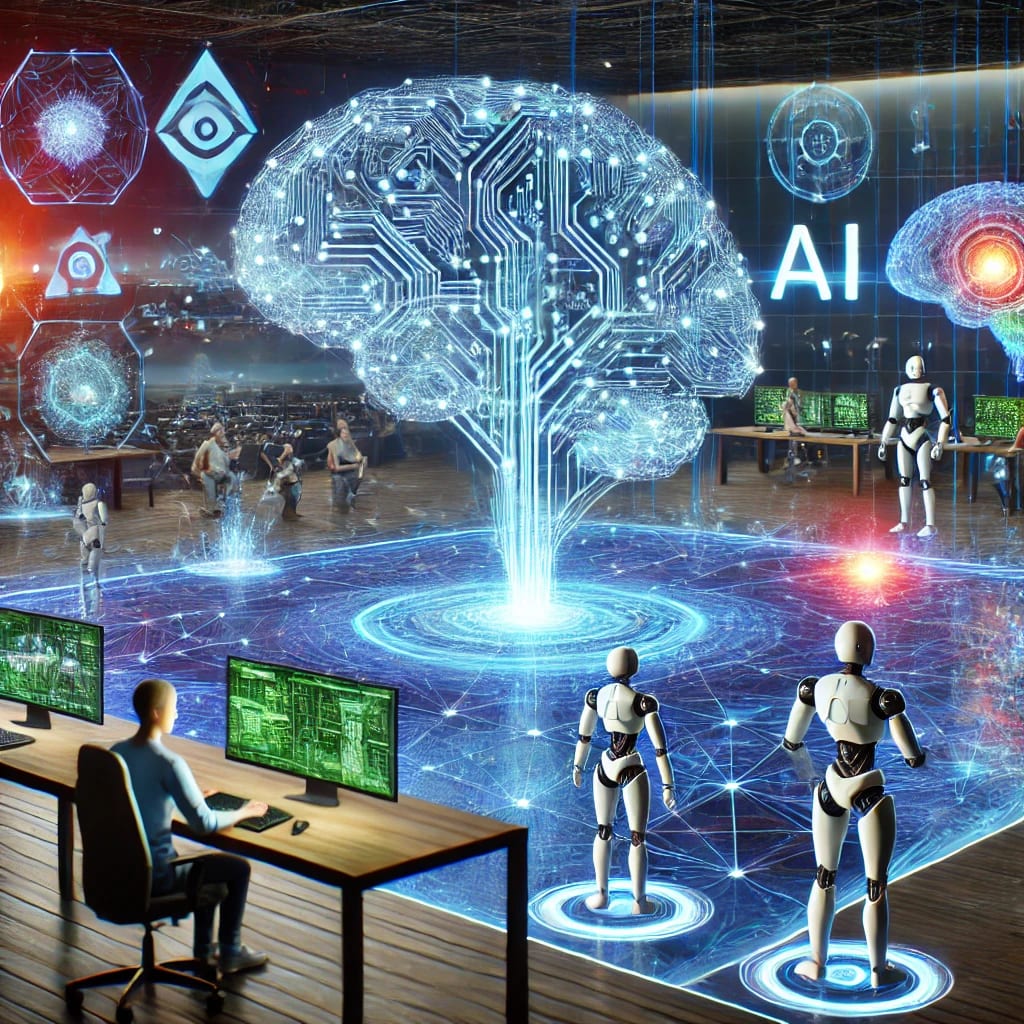
Artificial Intelligence (AI) has revolutionized many industries, and game development is no exception. Over the years, AI has grown from simple algorithms powering basic enemy behavior to advanced systems that create dynamic and immersive gaming experiences. Today, it is one of the most transformative forces reshaping how games are created, experienced, and maintained.
Enhancing Gameplay with Smarter AI
One of the most visible roles of AI in gaming is in creating smarter and more responsive non-player characters (NPCs). Game development companies now use AI to design NPCs that adapt to players' actions, creating a sense of unpredictability and realism. For instance, AI-driven opponents in strategy games can learn from a player’s tactics and counter them effectively, making the game more engaging.
AI also plays a pivotal role in generating realistic environments and interactions. Games today feature worlds that feel alive, thanks to AI algorithms that control weather patterns, crowd behavior, and even animal movements. These dynamic systems immerse players in the game world, enhancing the overall experience.
Procedural Content Generation
AI has enabled procedural content generation, a technique where algorithms create game levels, maps, and assets on the fly. This reduces the workload on developers and ensures players enjoy unique experiences every time they play. Titles games like Minecraft and No Man’s Sky exemplify how AI can create infinite worlds, keeping players engaged for hours.
For indie game development companies, this technology is a game-changer. It allows smaller teams to produce content-rich games without requiring extensive resources. By automating repetitive tasks, AI frees up developers to focus on creativity and storytelling.
Streamlining Development Processes
AI doesn’t just enhance the gaming experience; it also optimizes the development process. Modern tools powered by AI assist developers in coding, debugging, and even designing. Predictive analytics can identify potential issues in the early stages of development, saving time and resources.
Moreover, AI-driven testing tools can simulate player behavior to identify bugs and improve game balance. These systems can test various scenarios faster than human testers, ensuring a smoother launch. For any game development company, this efficiency translates to reduced costs and faster time-to-market.
Personalizing Player Experiences
With the advent of machine learning, games can now adapt to individual players. AI systems analyze player data to offer tailored experiences, such as adjusting difficulty levels or suggesting in-game purchases that align with their preferences. This personalization not only enhances player satisfaction but also boosts retention rates.
Future Trends and Challenges
The future of AI in gaming looks promising, with advancements in natural language processing and computer vision leading the charge. Imagine games where NPCs can hold meaningful conversations or virtual reality worlds that adapt to your emotions in real-time. These possibilities are closer than ever.
However, the integration of AI also brings challenges. Ethical considerations, such as ensuring fair gameplay and preventing algorithmic bias, must be addressed. Additionally, over-reliance on AI could stifle creativity if developers become too dependent on automated solutions.
Conclusion
AI is undeniably shaping the future of the game development industry, making it more innovative and efficient. From creating lifelike NPCs to streamlining production processes, its impact is profound. For any forward-thinking game development company, embracing AI is not just an option but a necessity to stay competitive in this rapidly evolving landscape. As technology continues to advance, the synergy between AI and game development promises to unlock new realms of creativity and engagement for players worldwide.
About the Creator
Nidhi Gamer
Nidhi is a skilled content writer at BR Softech, specializing in gaming industry trends and SEO-friendly content. She crafts engaging blogs, guides, helping game developers stay ahead. Passionate about gaming and innovation
Keep reading
More stories from Nidhi Gamer and writers in Gamers and other communities.
Top 10 Blockchain Gaming Platforms in 2025
The blockchain gaming industry has evolved into a multi-billion-dollar ecosystem, attracting players and developers alike with its promise of decentralization, player ownership, and earning potential. By 2025, blockchain technology has solidified its place in gaming, offering platforms that provide scalability, low transaction costs, and engaging experiences. Here, we explore the top 10 blockchain gaming platforms shaping the industry, showcasing how these platforms empower both players and developers.
By Nidhi Gamer about a year ago in Gamers
Casino Game Trends and Player Favorites in 2026
The casino gaming landscape has continued to evolve in recent years, influenced by technology, player preferences, and shifting entertainment habits. In 2026, casino-style games remain a popular form of entertainment across both digital platforms and traditional venues. Rather than focusing solely on wagering, many discussions about these games now center on gameplay experience, design innovation, and the social elements that attract players worldwide.
By Shabbir Ahmad4 days ago in Gamers
Rsvsr Robo Royale: Governor of Poker 3’s Latest Event You Can’t Miss
Mobile games often rely on limited-time events to keep players engaged, and collectible challenges have become one of the most popular formats. A recent example can be found in Governor of Poker 3, where the Robo Royale event introduces a themed collection system that adds a different layer of progression to the traditional poker experience.
By Dangyc Ding6 days ago in Gamers


Comments (2)
AI is a game-changer in the gaming industry
I love this ♦️♦️♦️♦️♦️♦️☘️