
The Pokémon Company Won $15 Million in a Copyright Case
A Deep Dive into the Legal Victory Against Pocket Monster Reissue and Its Impact on the Gaming Industry

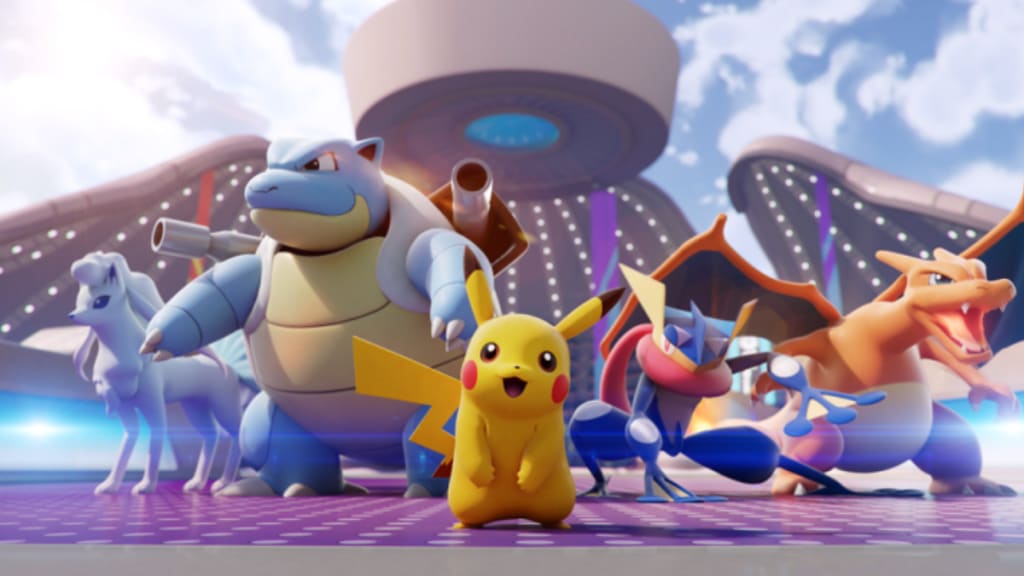
In a landmark ruling, The Pokémon Company has successfully won a $15 million copyright lawsuit against a Chinese company accused of blatantly using Pokémon characters in its mobile game. The lawsuit was centred around Pocket Monster Reissue (also known as Koudaiyaoguai Fuke), a turn-based role-playing game alleged to feature unaltered characters like Ash Ketchum and Pikachu, directly copied from the iconic original Pokémon franchise.
This landmark ruling by the Shenzhen Intermediate People’s Court ordered one of the six companies involved in the lawsuit to pay 107 million yuan (approximately $15.08 million) in damages for copyright infringement. Three of the remaining companies were also held accountable, though they have since filed an appeal.
The Backstory of Pocket Monster Reissue
Launched in 2015, Pocket Monster Reissue became popular, raking in about $43.5 million (300 million yuan) in revenue during its first year, according to a financial report by Zhongnan Heavy Industries, published for that year, reported by The South China Morning Post in 2022. The game was notorious for featuring unaltered artwork, including Pikachu from the Pokémon Yellow Box and other beloved characters like Ash Ketchum, Tepig, Oshawott, and Charmeleon. Gameplay videos showed an uncanny resemblance to the original Pokémon games, with many players seeing it as a blatant rip-off rather than a fan homage.
The Pokémon Company first filed the lawsuit in 2021, accusing the game’s developers of intellectual property theft and copyright infringement. Initially seeking $72 million in damages and demanding that the accused companies issue appologies on popular Chinese websites, social media platforms and app stores, the final court ruling awarded the company $15 million in compensation—a significant win, but still a fraction of the original demand.

A History of Protecting Pokémon's Intellectual Property
The Pokémon Company has long been known for its uncompromising stance on protecting its intellectual property. The company has shut down numerous fan projects over the years, including some that weren’t profiting from their work. In 2016, for instance, the fan-made game Pokémon Uranium was taken down after almost a decade of development, and in 2018, Pokémon Essentials, a tool used by fans to create their own games, met a similar fate.
However, the company’s aggressive legal approach isn’t always aimed at fans. In this case, Pocket Monster Reissue was a commercial product that earned millions of dollars in profits, making it a more clear-cut instance of intellectual property theft. The Pokémon Company’s former Chief Legal Officer stated earlier this year that while the company does not go after fan projects indiscriminately, it takes action when such projects cross a line.
Interestingly, not all games that resemble Pokémon face legal issues. The open-world game Palworld, dubbed “Pokémon With Guns,” drew many comparisons to Pokémon but has so far avoided legal complaints from The Pokémon Company. Despite a statement indicating that the company would investigate any potential copyright violations, no formal lawsuit was filed. Palworld continues to thrive and is rumoured to have a future PlayStation release.
This contrast raises questions about how The Pokémon Company chooses its legal battles. While fan projects and blatant copies like Pocket Monster Reissue have been swiftly shut down, others, like Palworld, seem to slip through the cracks.
The Wider Impact on the Gaming Industry
This ruling is not just a win for The Pokémon Company; it’s also a clear reminder to the entire gaming industry about the importance of respecting intellectual property rights. In the mobile gaming space, where clones and unauthorized game adaptations are common, this case sets a strong precedent. It sends a firm warning to developers that using content from established franchises without proper authorization carries significant legal and financial risks.
Copycat games that replicate the mechanics or characters of popular titles without licensing have long been a contentious issue in gaming. While it may be tempting for smaller developers to ride the coattails of successful franchises, The Pokémon Company’s recent legal victory shows that the consequences of such actions can be severe.
What’s Next for The Pokémon Company?
As The Pokémon Company continues its mission to safeguard its intellectual property, it’s also pushing forward with bold new plans. Recently, the company filed a patent hinting that Pokémon Legends: Z-A, set to release in 2025, will feature exciting innovations like rideable Pokémon, complete with fresh mechanics and animations. This upcoming release promises to inject new energy into the much-loved franchise.
With this win, The Pokémon Company solidifies its role as a vigilant guardian of its brand, ensuring that future generations of fans can continue to enjoy Pokémon in its original, unaltered form. Meanwhile, the $15 million legal victory serves as a clear warning to developers attempting to capitalize on established brands. Protecting intellectual property is more than a legal requirement—it’s essential for fostering creativity and fairness in the industry.
About the Creator
Khushboo Malhotra
From chart-topping melodies to chilling mysteries, I'll be your guide through the beats of music and the depths of true crime. Got a story? Let's uncover it together! Hit me up at [email protected]
Keep reading
More stories from Khushboo Malhotra and writers in Gamers and other communities.
Steam Delists “Flick Solitaire” in Russia After State Censorship Order Targeting LGBTQ+ Art
Steam has removed Flick Solitaire from its Russian storefront following a directive from the country’s federal media regulator, Roskomnadzor, after authorities declared the game in violation of the state’s expanded restrictions on LGBTQ+ “propaganda.” The decision affects only the Steam version of the game; Flick Solitaire remains fully accessible on iOS and Android in Russia.
By Khushboo Malhotraabout a month ago in Gamers
Dodgers
The Los Angeles Dodgers have long been one of the most influential franchises in MLB, known for combining elite player development with the financial flexibility to pursue top-tier talent. From consistent postseason appearances to being counted among recent World Series winners, the Dodgers continue to shape league-wide conversations. As the new season approaches, Dodgers news is once again dominated by roster construction, payroll discussions, and persistent MLB trade rumors—especially those surrounding Kyle Tucker. The Dodgers’ Identity in Modern MLB Few teams balance tradition and innovation quite like the LA Dodgers. Their front office has mastered analytics while still valuing star players who can deliver in October. The current Dodgers roster reflects that philosophy, blending established veterans with emerging talent. Over the years, names like Cody Bellinger have defined eras of success, while new possibilities continue to fuel speculation. The Dodgers’ ability to remain competitive is also tied to their willingness to maintain a high Dodgers payroll. While they are not reckless spenders, they are strategic—targeting players who can elevate both performance and brand value. Kyle Tucker and Why He Fits the Dodgers Narrative Among the most discussed names in recent MLB rumors is Kyle Tucker. A consistent offensive presence and reliable defender, Tucker has emerged as one of the most complete players in modern baseball. Naturally, that has led to growing interest in a potential Kyle Tucker Dodgers scenario. So, what position does Kyle Tucker play? Tucker is primarily a right fielder, though his athleticism allows flexibility across the outfield. That versatility makes him especially attractive to teams like the Dodgers, who value adaptable Dodgers outfielders capable of handling high-pressure situations. The phrase “Tucker baseball” has become shorthand for a balanced skill set: power, patience, and postseason reliability. It’s no surprise that Kyle Tucker news often trends alongside big-market teams. Contracts, Agents, and the Cost of Stardom Any serious discussion of Tucker to Dodgers inevitably leads to contract considerations. The idea of a Kyle Tucker contract Dodgers deal raises questions about years, value, and long-term impact. While no official Kyle Tucker deal has been announced, speculation continues around what such a move would require. The Kyle Tucker agent would likely prioritize both financial security and a winning environment—two things the Dodgers can credibly offer. Still, committing to a potential Kyle Tucker Dodgers contract would require careful planning, especially with other stars already on the books. Misspellings like kyle.tucker, kyle tuxker, or even kyke tucker frequently appear in online searches, underscoring just how much attention surrounds him across the baseball world. How Tucker Could Shape the Dodgers Lineup If a Dodgers Tucker scenario ever materializes, it would have a major impact on the Dodgers lineup. A projected middle-of-the-order bat like Tucker could slot seamlessly into a Dodgers projected lineup, offering protection for existing stars and adding depth in late-game situations. Comparisons have been drawn between Tucker and former Dodgers standouts like Bellinger, particularly in terms of two-way impact. While Cody Bellinger brought elite defense and timely power, Tucker offers a more consistent offensive profile year over year. Competition From the Mets and Other MLB Teams Of course, the Dodgers are not alone in pursuing elite talent. The NY Mets, backed by owner Steve Cohen, have made it clear they are willing to spend aggressively. Mets news often mirrors Dodgers news, especially when it comes to top-tier MLB free agents and trade targets. Names like Edwin Diaz and Bo Bichette frequently appear in league-wide discussions, highlighting how interconnected roster decisions have become. Any move involving Tucker would likely ripple across the league, influencing strategies for teams like the Mets, who remain active in both free agency and trades. MLB Trade Rumors and the Bigger Picture Sites such as MLBTradeRumors regularly analyze scenarios involving Kyle Tucker to Dodgers, though nothing has been confirmed. These rumors reflect a broader truth: elite players drive conversation, even when deals never materialize. The Dodgers understand that not every rumor becomes reality. Still, being linked to players like Tucker reinforces the team’s image as a perennial contender. Whether through trades or internal development, the goal remains the same—build a roster capable of winning another championship. Looking Ahead: What This Means for the Dodgers As the season unfolds, the Dodgers will continue to evaluate opportunities that align with their long-term vision. The idea of Dodgers Kyle Tucker is compelling, but it’s only one chapter in a much larger story about sustained excellence. With a deep farm system, financial flexibility, and a proven track record, the Los Angeles Dodgers remain at the center of MLB news. Whether or not Tucker ever wears Dodger blue, the conversations surrounding him highlight how the franchise continues to influence the direction of the league. In the end, the Dodgers’ success has never hinged on a single move. It’s about smart decisions, calculated risks, and an unwavering commitment to winning—qualities that keep them relevant, respected, and always worth watching.
By Saboor Brohi a day ago in Gamers
Wild Card Weekend Recap: What Happens Now?
I think I figured out why I love Wild Card Weekend so much. It's because it's the first playoff anything of the calendar year. The NFL season starts in the fall, and once upon a time, the champion was crowned either on or slightly before New Year's. The evolution of the NFL schedule has resulted in the playoffs starting just into the New Year, and currently, the final week of the season falls on the first weekend of the New Year, with Wild Card Weekend coming a week after that. So yes, chronologically, the NFL's Wild Card Weekend serves as the first playoff anything of the calendar year.
By Clyde E. Dawkins4 days ago in Unbalanced


Comments
There are no comments for this story
Be the first to respond and start the conversation.