

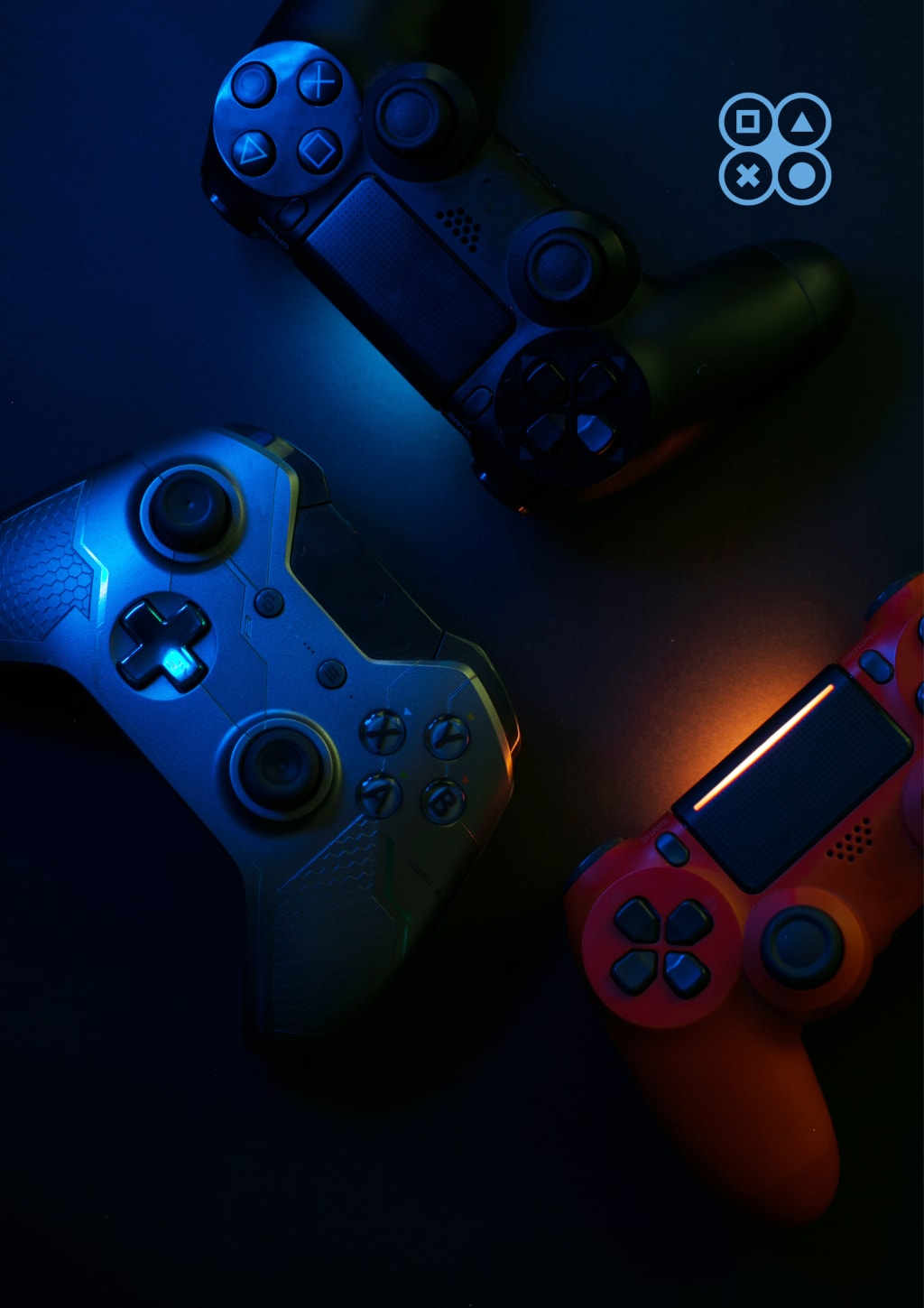
Gaming has come a long way since its inception in the 1970s. It started as simple arcade games and has evolved into a multi-billion dollar industry that encompasses console, PC, and mobile gaming. With the advancements in technology, gaming has become more immersive and interactive, allowing players to fully immerse themselves in virtual worlds.
Gaming not only provides entertainment, but it also offers a variety of benefits. For instance, playing video games can improve cognitive skills such as problem-solving, spatial awareness, and memory. Games that require strategic thinking and fast reflexes can also improve hand-eye coordination. Additionally, many games now feature online multiplayer modes, providing a platform for people to connect and socialize with others from around the world.
Furthermore, the gaming industry has also seen a rise in the popularity of e-sports, professional competitive gaming. E-sports tournaments have grown in size and prize money and many of these events are now broadcast on television and streaming platforms. This has led to the recognition of e-sports as a legitimate form of competitive sport, and many universities and colleges now offer scholarships for e-sports players.
However, like anything, excessive gaming can have negative effects. Too much gaming can lead to addiction, which can negatively impact a person's social life, work, and health.
EMANCIPATE DEPRESSION
Gaming can be an effective way to alleviate symptoms of depression. Studies have shown that playing video games can release feel-good chemicals in the brain, such as dopamine and serotonin, which can improve mood and reduce feelings of depression.
One of the ways gaming can help with depression is by providing a sense of accomplishment and purpose. Completing tasks and achieving goals in a game can give players a sense of satisfaction and boost self-esteem. Additionally, many games feature multiplayer modes, providing a platform for socializing and connecting with others, which can be especially beneficial for individuals who may be feeling isolated or lonely.
Gaming can also be a form of escapism, allowing individuals to temporarily step away from the stresses and challenges of their everyday lives. Engaging in a virtual world can provide a sense of distraction and relaxation, which can help alleviate symptoms of depression.
Furthermore, certain games have been specifically designed to help with mental health issues such as depression. These games, often called "serious games" or "therapeutic games," are used in therapeutic settings to help patients learn coping skills and manage their symptoms.
It's important to note that while gaming can be an effective tool to alleviate symptoms of depression, it should not be considered a replacement for professional treatment. Individuals who are struggling with depression should seek help from a qualified mental health professional.
THE FUTURE OF GAMES ?
The future of gaming is constantly evolving with new technologies and advancements constantly shaping the industry. Here are a few trends and technologies that are expected to shape the future of gaming:
Virtual Reality (VR) and Augmented Reality (AR): VR and AR technologies are expected to become more mainstream in the future, allowing players to fully immerse themselves in virtual worlds.
Cloud Gaming: Cloud gaming technology allows players to stream games directly to their devices without the need for powerful hardware or a high-speed internet connection.
5G: The widespread adoption of 5G networks is expected to greatly improve the performance of online gaming, making it possible for players to engage in fast-paced multiplayer gaming with minimal lag.
Artificial Intelligence (AI): AI is expected to become more integrated into gaming, allowing for more intelligent and lifelike non-player characters (NPCs) and providing players with more personalized gaming experiences.
Blockchain: Blockchain technology is expected to play a significant role in the future of gaming, particularly in the areas of in-game economies and player-owned assets.
Mobile gaming: The popularity of mobile gaming is expected to continue to grow, with more and more games being developed specifically for mobile devices.
Gamification: Gamification is the use of game design elements in non-game contexts, it's expected to be used in various industries, such as education, healthcare, and marketing.
It's worth noting that the gaming industry is always changing and new technologies and trends are likely to emerge in the future. The above mentioned are just a few examples of what we might expect in the future of gaming.
SIMULATION GAMES
Educational value: Simulation games can be used to teach players about real-world systems and processes, such as how economies work or how to manage a business.
Problem-solving skills: Players must make decisions and solve problems in order to be successful in a simulation game, which can help to develop critical thinking and decision-making skills.
Stress relief: Simulation games can provide a way to relax and unwind, as players can take on the role of a virtual character and escape from the pressures of real life.
Increased creativity: Players can experiment with different scenarios and strategies in a safe, virtual environment, which can help to foster creativity and innovation.
About the Creator
The Inspiring Ink
Welcome to my blog!
Here, I share my thoughts and insights on a variety of topics including technology, business and personal development. Join us on the journey of discovery and growth and share your own thoughts in the comments section.
Keep reading
More stories from The Inspiring Ink and writers in Gamers and other communities.
THE RACE LINE
Formula One (F1) is a type of open-wheel car racing that is the highest class of single-seater auto racing sanctioned by the FIA (Fédération Internationale de l'Automobile). It is considered to be the pinnacle of motorsport and attracts the world's top drivers and teams. The races, known as Grands Prix, are held on circuits around the world and consist of multiple laps around a track, with the driver with the fastest time being crowned the winner. The F1 World Championship is awarded annually to the driver and constructor who have accumulated the most points over the course of a season. The sport is known for its speed, technology, and competition, making it one of the most popular forms of motorsports in the world.
By The Inspiring Ink3 years ago in Gamers
Sea of Thieves Will Make You Feel Like a True Pirate in a Dangerous Open World
Few modern games capture the spirit of adventure quite like Sea of Thieves. Developed by Rare and published by Xbox Game Studios, this Xbox experience throws players into a shared world where freedom, risk, and cooperation define every moment. It is not just about reaching a destination, but about the unpredictable journey that unfolds along the way.
By Lukáš Hrdlička4 days ago in Gamers
Resident Evil Redefined Fear And Changed Survival Horror Forever
When discussing the origins of modern survival horror, one name inevitably rises above the rest: Resident Evil. Released during a time when action games dominated the market, it introduced a slower, more methodical experience that forced players to think, conserve, and most importantly, fear.
By Lukáš Hrdlička3 days ago in Gamers



Comments
There are no comments for this story
Be the first to respond and start the conversation.