
The Phenomenon of Bitcoin: A Decentralized Revolution in the Digital Economy
based on a revolutionary technology called blockchain
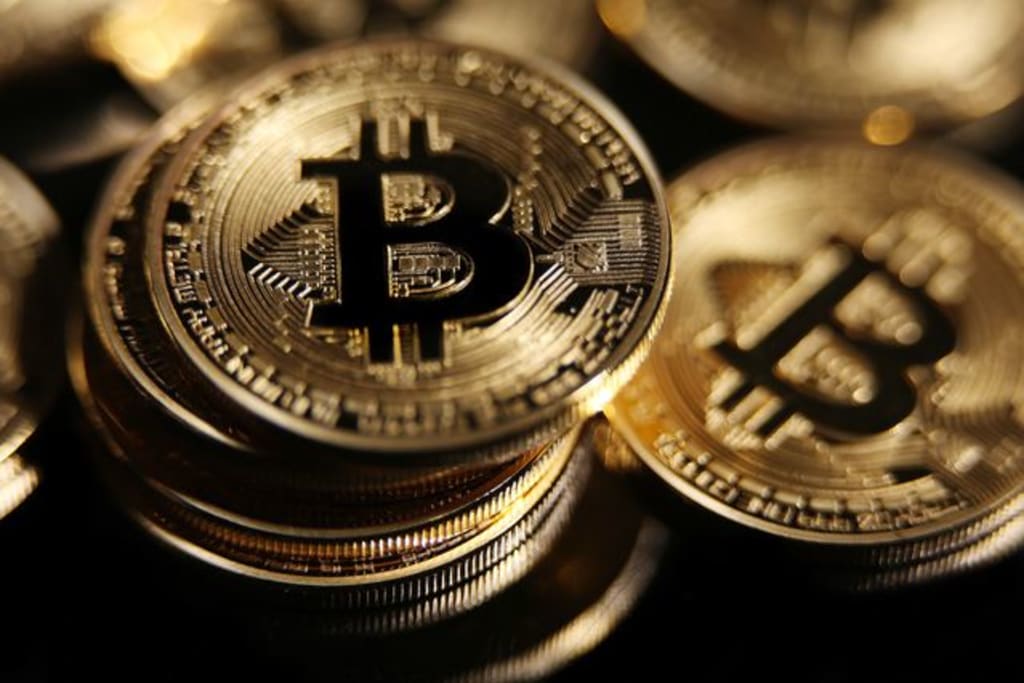
The Phenomenon of Bitcoin: A Decentralized Revolution in the Digital Economy In recent years, Bitcoin has emerged as a revolutionary force in the world of finance and economics. As a decentralized digital currency, Bitcoin has disrupted traditional financial systems and challenged the status quo. Since its inception in 2009, Bitcoin has gained significant attention and adoption, becoming a global phenomenon that has reshaped the way people perceive and interact with money.
Bitcoin is based on a revolutionary technology called blockchain, which is a decentralized and distributed ledger that allows for transparent and secure transactions without the need for intermediaries like banks or financial institutions. This means that users can send and receive money directly without relying on a third party, making Bitcoin a peer-to-peer digital currency.
One of the key features of Bitcoin is its limited supply. Unlike traditional fiat currencies that are subject to inflation and can be manipulated by central banks, Bitcoin has a fixed supply cap of 21 million coins. This scarcity has been one of the driving factors behind the rising value of Bitcoin, with proponents arguing that it serves as a hedge against inflation and a store of value.
Bitcoin has gained mainstream adoption as a form of digital currency and a medium of exchange in various industries. Many businesses, including Microsoft, AT&T, and Tesla, accept Bitcoin as a form of payment for their products and services. Additionally, Bitcoin has become a popular investment option for individuals and institutions, with many considering it as a digital gold or a hedge against traditional financial markets.
Another notable aspect of Bitcoin is its potential for financial inclusion. Bitcoin operates on a global scale and can be accessed by anyone with an internet connection, without the need for a bank account or credit check. This has the potential to provide financial services to the unbanked and underbanked populations, especially in developing countries, where traditional banking services may be inaccessible or inadequate.
However, Bitcoin has also faced its fair share of challenges and criticisms. One of the main concerns surrounding Bitcoin is its volatility. The price of Bitcoin can experience significant fluctuations within short periods of time, making it a highly speculative and risky investment. Additionally, the decentralized and pseudonymous nature of Bitcoin has raised concerns about its potential for illicit activities, such as money laundering and fraud.
Regulation has also been a contentious issue for Bitcoin. Governments and regulatory bodies around the world have implemented varying degrees of regulation on Bitcoin, ranging from outright bans to strict licensing requirements for cryptocurrency exchanges. The lack of a consistent regulatory framework has led to uncertainty and legal challenges, as governments grapple with how to regulate this emerging form of digital currency.
Despite its challenges, Bitcoin has continued to gain momentum and attract attention as a groundbreaking innovation in the world of finance. It's potential to disrupt traditional financial systems, enable financial inclusion, and provide a decentralized alternative to fiat currencies has captured the imagination of many. As more businesses and individuals adopt Bitcoin, its impact on the global economy and financial landscape is likely to continue to grow.
In conclusion, Bitcoin has emerged as a decentralized revolution in the digital economy. It's disruptive nature, limited supply, potential for financial inclusion, and global adoption have transformed the way people perceive and interact with money. While Bitcoin has faced challenges and criticisms, it continues to gain momentum and reshape the financial landscape. As the world of finance evolves, Bitcoin is likely to remain a prominent force, challenging traditional financial systems and shaping the future of money.
Thanks for read this article if you like it please follow us and comment
About the Creator
Keep reading
More stories from abdo@vocal and writers in Gamers and other communities.
The Marvelous Career of Pelle: A Football Legend
In the world of football, there are players who leave an indelible mark on the sport with their exceptional talent and achievements. One such player is Pelle, a Brazilian forward who has captivated fans and experts alike with his dazzling skills and incredible career. From humble beginnings in Brazil to becoming a global football icon, Pelle's journey has been nothing short of extraordinary.
By abdo@vocal3 years ago in Gamers
Diablo IV Season 11 Class Rankings: The Definitive Guide to Picking Your Hero and Avoiding Early-Game Burnout
With the arrival of Season 11, Diablo IV now boasts seven distinct classes: Sorcerer, Necromancer, Rogue, Barbarian, Druid, Spiritborn, and Paladin. Given the steep price of entry—often around $70—choosing the wrong starter can lead to immediate burnout. This review, based on clearing Pit Tier 55 and reaching Torment IV with every class, aims to help you spend your time and money wisely.
By hasan zidan5 days ago in Gamers
Twilight Ranger and Necromancer: Why This Duo is the 2026 Meta King
High-ladder play in Rush Royale has shifted. If you have logged into the competitive circuit lately, you have likely seen it. A specific, shadowy pairing is crushing the leaderboards and leaving traditional "Twins" or "Inquisitor" builds in the dust.
By Richard Bailey5 days ago in Gamers


Comments
There are no comments for this story
Be the first to respond and start the conversation.