
THE OLYMPICS AND THE MENTAL HEALTH CHALLENGES FACED BY ATHLETES
Balancing Glory and Struggle:The Mental Health Challenges of Olympic Athletes.

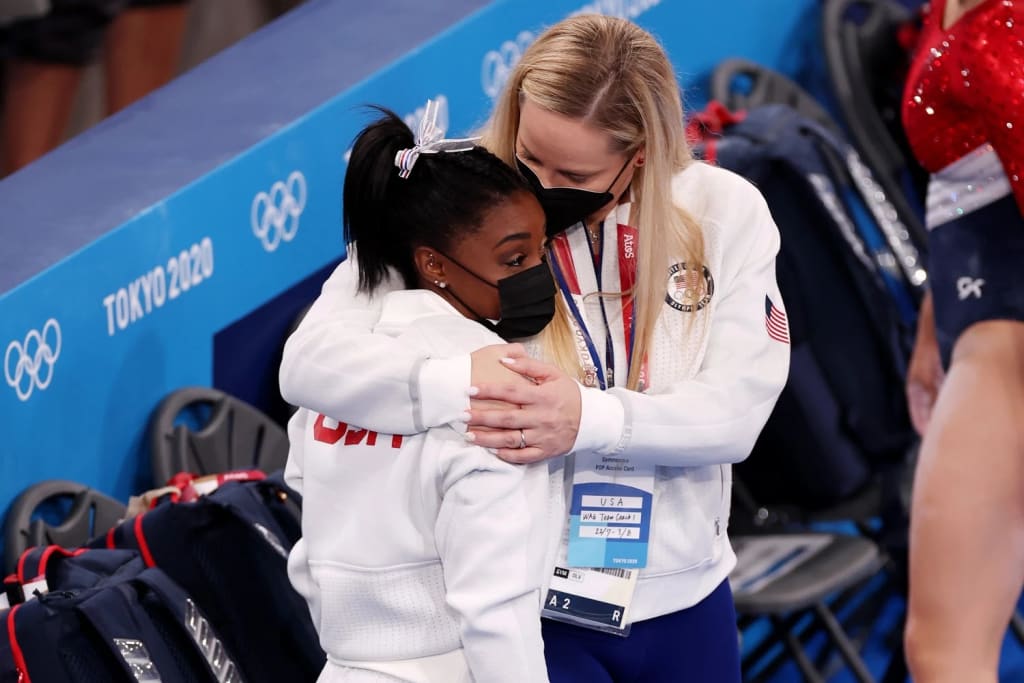
The Olympics is often regarded as the pinnacle of athletic achievement. Every four years, athletes from around the globe come together to compete, showcase their talents, and strive for glory on the world stage. While the Olympics celebrates human potential, it also casts a spotlight on the immense physical, emotional, and psychological demands placed on athletes. Behind the scenes of triumph and spectacle lie significant mental health challenges that many athletes face, often hidden from public view.
The Weight of Expectations
One of the primary mental health challenges for Olympians is the pressure to perform. Representing one's country on such a prestigious platform comes with immense expectations. Athletes often feel the weight of not only personal ambition but also the hopes of their nation. This pressure can lead to performance anxiety, stress, and even burnout. Simone Biles, the celebrated gymnast, brought global attention to this issue during the Tokyo 2020 Olympics when she withdrew from several events to prioritize her mental health. Her courage in speaking openly about her struggles underscored the intense pressure athletes endure.
The Fear of Failure
The fear of failure is another significant source of mental strain. Athletes invest years, if not decades, into their training. A single mistake or underperformance can feel catastrophic, particularly in an event as prominent as the Olympics. The stakes are extraordinarily high, and the fear of disappointing themselves, their coaches, families, and fans can weigh heavily on an athlete’s psyche. This fear often contributes to perfectionism and obsessive tendencies, which can exacerbate mental health issues.
Isolation and Sacrifice
The path to the Olympics demands relentless dedication. Athletes often sacrifice normal social lives, education, and even family time to focus on training. This isolation can lead to feelings of loneliness and alienation. The intense training schedules leave little room for maintaining relationships or engaging in activities outside of their sport. Moreover, the transient nature of the Olympic journey—where athletes frequently travel and spend extended periods away from home—can compound these feelings of disconnection.
Post-Olympic Blues
While the lead-up to the Olympics is marked by excitement and focus, the period following the event can bring a different set of challenges. Many athletes experience what is termed "post-Olympic depression." After years of working towards a singular goal, the conclusion of the Games can leave athletes feeling directionless. For those who do not achieve their desired results, feelings of disappointment and regret can amplify this sense of emptiness. Even for medalists, the sudden cessation of intense structure and purpose can be difficult to navigate.
The Role of Social Media
In today’s digital age, social media adds another layer of complexity to athletes' mental health. While platforms like Instagram and Twitter allow athletes to connect with fans, they also expose them to criticism and scrutiny. Negative comments, trolling, and comparisons can take a toll on self-esteem and contribute to anxiety or depression. Naomi Osaka, a tennis star who has also spoken about her mental health struggles, highlighted how constant media attention and social media pressures can exacerbate feelings of vulnerability.
Addressing Mental Health Challenges
The acknowledgment of mental health challenges among Olympians has grown in recent years. Organizations like the International Olympic Committee (IOC) have started implementing measures to support athletes’ mental well-being. The IOC’s Mental Health in Elite Sport Commission has introduced initiatives such as mental health hotlines, counseling services, and educational resources to help athletes cope with the unique challenges they face.
Additionally, prominent athletes like Michael Phelps have used their platforms to advocate for mental health awareness. Phelps, the most decorated Olympian in history, has openly discussed his struggles with depression and suicidal thoughts. His advocacy has inspired many athletes to seek help and break the stigma surrounding mental health.
Strategies for Athletes
To mitigate mental health challenges, athletes can adopt several strategies:
Mental Health Training: Just as physical training is essential, athletes can benefit from psychological coaching. Techniques such as mindfulness, cognitive-behavioral therapy (CBT), and relaxation exercises can help manage stress and anxiety.
Building Support Systems: Surrounding oneself with a supportive network of family, friends, coaches, and mental health professionals can provide emotional resilience.
Balanced Goals: Focusing on intrinsic goals—like personal growth and the love of the sport—rather than external validation can reduce performance-related stress.
Post-Olympic Planning: Preparing for life beyond the Olympics can help athletes transition smoothly and avoid feelings of aimlessness.
The Road Ahead
As the conversation around mental health in sports continues to evolve, it is crucial to remember that athletes are human beings first. Their physical feats may seem superhuman, but their mental health challenges remind us of their humanity.
About the Creator
Badhan Sen
Myself Badhan, I am a professional writer.I like to share some stories with my friends.
Keep reading
More stories from Badhan Sen and writers in Gamers and other communities.
HOW YOUNG ATHLETES ARE CHANGING THE FACE OF THE OLYMPICS
The Olympics, a long-standing symbol of global athletic achievement, has seen a significant shift in recent years as young athletes are beginning to redefine the games in ways that were once unthinkable. Historically, the Olympic Games have been dominated by seasoned athletes in their 20s or even 30s, but a new wave of younger competitors is reshaping the dynamics of the event. From breaking records to altering the nature of competition itself, young athletes are bringing fresh energy, innovation, and diversity to the world’s most prestigious sporting platform.
By Badhan Senabout a year ago in Gamers
U4gm Diamond Dynasty Red Diamond Cards: Which One Truly Dominates MLB The Show 26?
MLB The Show 26 has taken Diamond Dynasty to an entirely new level, and nothing has the community more excited than the ultra-rare Red Diamond cards. These cards aren’t just for collectors—they can completely change the outcome of Ranked Mode matches, turning a close game into a legendary comeback. But with so many options available, which Red Diamond cards truly stand out?
By Dangyc Ding4 days ago in Gamers




Comments (2)
Hey, just wanna let you know that this is more suitable to be posted in the Unbalanced community 😊
What a well thought out article about mental health.