
THE LAGACY OF PELE IN OLYMPIC FOOTBALL
Brazil's Olympic Triumph and Pele Legacy.

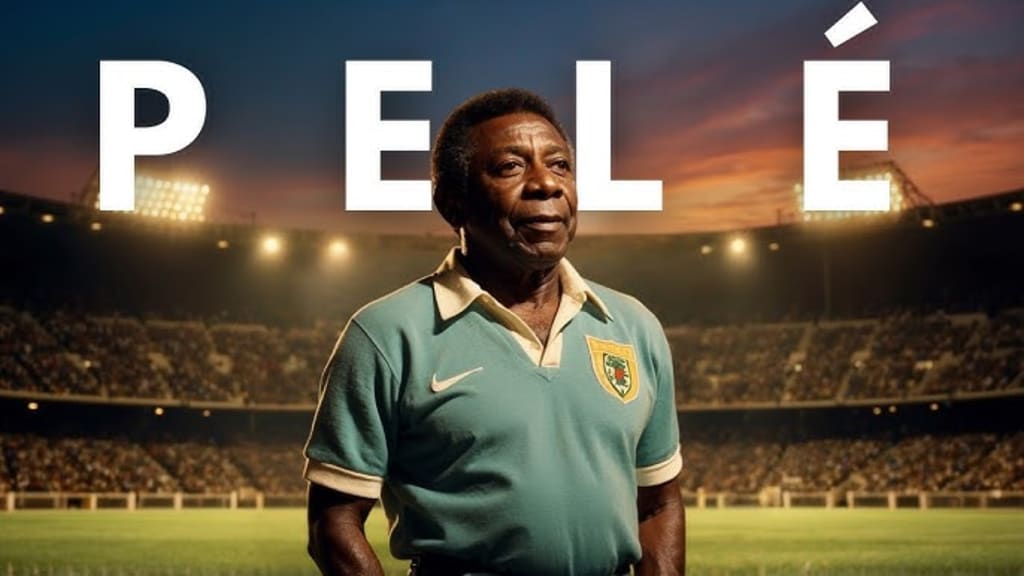
The Legacy of Pelé in Olympic Football
Pelé, widely regarded as one of the greatest footballers of all time, left an indelible mark on the world of football, not only through his career in club football but also through his influence on the global stage of the sport, including the Olympic Games. His legacy in Olympic football is both significant and transformative, despite the fact that he never played in the Olympics himself. This essay explores Pelé's legacy in the context of Olympic football, examining how his achievements and global influence have shaped the sport’s international growth and the Olympic Games.
Pelé's Career and Influence on Football
Pelé’s impact on the sport of football began early in his career when, at just 17 years old, he helped Brazil win the 1958 FIFA World Cup. His skill, vision, and incredible scoring ability quickly established him as a global icon. Throughout his career, Pelé would go on to win three World Cups (1958, 1962, and 1970), a feat no other player has matched. But Pelé’s influence extends beyond his performances on the field. His success brought global attention to football in Brazil and around the world, raising the profile of the sport and inspiring millions of young athletes.
As Pelé became an international ambassador for the game, his legacy contributed to the increasing popularity of football, not just in South America but across the globe. He paved the way for the commercialization and professionalization of football, drawing larger audiences and bringing football to the forefront of global sports. His role in popularizing the sport and helping it become a central element of global culture has had long-term effects on the development of international tournaments, including the Olympics.
Pelé and the Olympics: Indirect Contributions
Although Pelé never competed in the Olympic Games, his impact on Olympic football can be seen through the way his career influenced the sport globally. During Pelé’s peak, the Olympics still featured an amateur format for football, which was different from the fully professionalized nature of international football tournaments like the World Cup. As a result, Olympic football was historically seen as a secondary event to the World Cup, and top-tier players like Pelé were not allowed to participate.
Despite these restrictions, Pelé’s rise to fame inspired football players from all over the world to aspire to compete at the highest level, including in the Olympics. His success brought more attention to international competitions and helped demonstrate the value of football as a key Olympic sport. While Pelé’s Brazilian teams were busy dominating the World Cup, the story of his success was setting the stage for changes in Olympic football.
The Shift in Olympic Football: Professional Players
One of Pelé’s most important contributions to Olympic football came after his career, during the changes in the rules governing Olympic football. As the sport evolved and the international football community recognized the need to include top-level players in the Olympics, Pelé’s influence remained a driving force. In 1984, the International Olympic Committee (IOC) relaxed its restrictions on professional players, paving the way for the inclusion of the world's best players in the Olympic Games.
Pelé’s contributions were particularly evident in how the sport continued to grow as the participation of professionals became possible. Brazil, Pelé’s home country, was one of the most successful teams in this new era of Olympic football. The increased level of competition, combined with Pelé’s legacy of football excellence, ensured that Olympic football became a more prestigious event and attracted players from top clubs around the world.
Pelé's Influence on Brazil's Olympic Football Success
Pelé’s legacy in Brazilian football also helped propel Brazil to success in Olympic football in later years. Although Brazil's football team had not won an Olympic gold medal during Pelé’s playing years, his legacy continued to shape the Brazilian footballing culture. After the 1984 rule changes, Brazil would go on to win their first Olympic gold medal in football in 2016 in Rio de Janeiro, led by players such as Neymar Jr. This victory was a moment of great significance, as it marked Brazil’s first Olympic gold in football, a sport that Pelé had brought to prominence.
The 2016 Rio Olympics offered a perfect example of Pelé’s lasting influence. Brazil’s national team had finally conquered the Olympic gold, completing a journey that had begun in the era of Pelé. The victory was a testament to Pelé’s role in fostering a strong football culture in Brazil and inspiring generations of players to aim for the highest honors on the world stage.
Pelé’s Role as an Olympic Ambassador
Pelé’s influence was not confined to just his playing career. Throughout his life, he served as an ambassador for football and sports in general, including the Olympic Games. In 1994, Pelé was appointed as a UNESCO Goodwill Ambassador, and he used his platform to promote the Olympic values of unity, peace, and friendship. His commitment to these values aligned perfectly with the mission of the Olympic Games, and he became a figurehead for the ideals of sportsmanship and fair play.
As a global icon, Pelé also used his fame to advocate for the development of football around the world, including in underdeveloped countries. His efforts helped spread the sport’s reach to new audiences and ensure that football remained an integral part of the Olympic Games. Even after his playing career ended, Pelé continued to be involved in football’s evolution, becoming an influential figure in Olympic circles and promoting the sport at every opportunity.
Conclusion
Though Pelé never played in the Olympics, his impact on Olympic football is undeniable. His contributions to the global growth of the sport, the change in rules that allowed professional players into the Olympics, and his influence on Brazilian football’s success have left a lasting legacy in the Olympic movement. Pelé’s dedication to the sport and his enduring legacy have shaped the future of football, making it one of the most celebrated Olympic sports today. Through his skill, leadership, and global influence, Pelé’s legacy continues to inspire generations of footballers who strive to achieve excellence in the Olympic Games and beyond.
About the Creator
Badhan Sen
Myself Badhan, I am a professional writer.I like to share some stories with my friends.
Keep reading
More stories from Badhan Sen and writers in Gamers and other communities.
THE UNSTOPPABLE FORCE OF LARISA LATYNINA IN GYMNASTICS
The Unstoppable Force of Larisa Latynina in Gymnastics Larisa Latynina, a name synonymous with gymnastics greatness, etched her legacy as one of the most dominant athletes in Olympic history. A former Soviet gymnast, Latynina's Olympic career spanned from 1956 to 1964, and during this period, she became a symbol of excellence and perseverance, redefining the limits of human potential in the sport. With her remarkable achievements, she not only revolutionized gymnastics but also left an indelible mark on the Olympic Games.
By Badhan Senabout a year ago in Gamers
Rsvsr GTA Online Mansion Mode: Big Rewards & Strategy
I just jumped back into GTA Online, and Rockstar is kicking off 2026 with style. From January 15th to January 21st, Mansion Mode Event Week transforms Los Santos into a playground of opulent estates and high-stakes battles. Whether you’re a veteran or a newcomer, this week offers action, strategy, and some seriously sweet rewards.
By Billo Nali2 days ago in Gamers
GTA 6 Budget
most talked-about video games of the decade — and its soaring budget is a major part of that conversation. As anticipation peaks with the release scheduled for late 2026, discussions about how much Rockstar Games and its parent company Take-Two Interactive have spent to develop and market this franchise-defining title have generated intense speculation, conflicting figures, and wild online rumors. �
By shaoor afridi6 days ago in Gamers



Comments (2)
Hey, just wanna let you know that this is more suitable to be posted in the Unbalanced community 😊
Yes, Pele was a great footballer (soccer) player. He did a lot for all athletes. Great article.