
The Importance of Automobiles: Driving Progress and Connection
A Revolution in Transportation
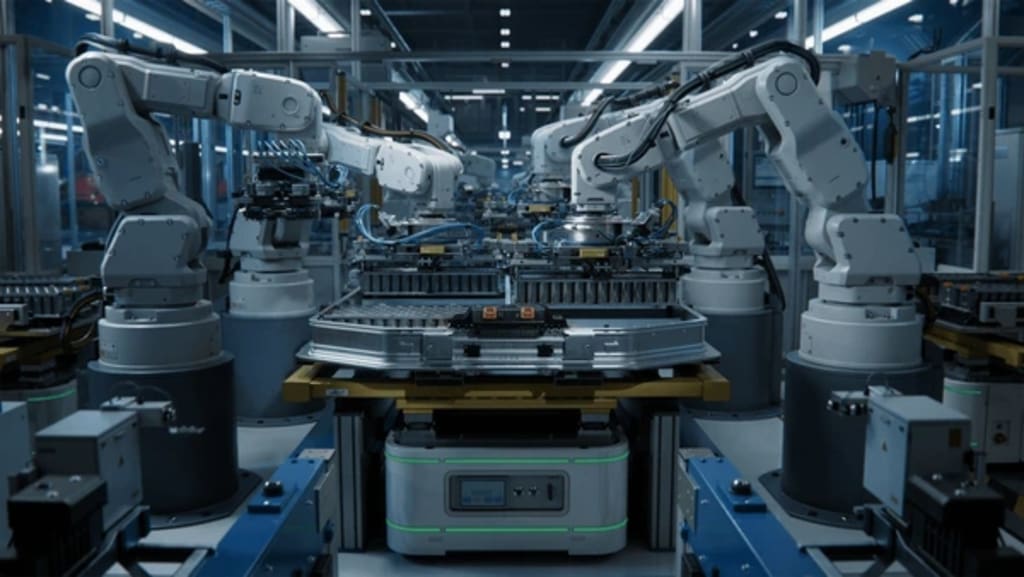
Automobiles have long been a cornerstone of modern civilization, profoundly influencing the way people live, work, and connect. From their invention in the late 19th century to the present era of electric and autonomous vehicles, cars have continuously evolved to meet the changing needs of society. Their importance extends far beyond transportation—affecting economies, urban planning, social dynamics, and environmental strategies worldwide.
A Revolution in Transportation
Before the widespread use of automobiles, people relied on horses, carriages, and limited railway networks. These means of transport were time-consuming, inefficient, and limited to specific regions. The introduction of automobiles marked a transformative moment in history, offering speed, flexibility, and independence like never before.
Henry Ford’s mass production of the Model T in 1908 made cars accessible to the average citizen, revolutionizing travel and daily life. For the first time, families could live farther from their workplaces, sparking the growth of suburbs and fundamentally changing urban landscapes.
Economic Impact
The automobile industry is one of the largest and most influential sectors in the global economy. It supports millions of jobs, not only in manufacturing but also in areas like sales, maintenance, logistics, insurance, and fuel supply. Major automakers such as Toyota, Ford, Volkswagen, and Hyundai contribute significantly to national economies and global trade.
Additionally, cars have enabled the growth of related industries such as road construction, tourism, and emergency services. Economies thrive when people and goods can move freely and efficiently, and automobiles play a critical role in ensuring that mobility.
Personal Freedom and Independence
One of the greatest advantages of owning a car is the freedom it provides. Unlike public transport, which operates on fixed schedules and routes, personal vehicles allow individuals to travel at their own pace and convenience. This autonomy is especially vital in rural or underserved areas where public transportation is scarce.
Cars also enable spontaneous decision-making—whether it’s a weekend getaway, an emergency trip, or a late-night drive. For many people, learning to drive and owning a car are important milestones that symbolize independence and adulthood.
Connecting Communities
Automobiles serve as powerful tools for connection. They bridge the gap between urban and rural areas, allowing people to visit friends and family, attend social events, and participate in community activities. For students, employees, and healthcare patients, cars are essential for accessing schools, workplaces, and medical facilities—especially when public transport is unavailable or unreliable.
Furthermore, cars help maintain emotional and social bonds. Being able to travel freely enables people to stay connected, reducing feelings of isolation and improving quality of life.
Driving Innovation
The automotive industry is a hub of innovation, constantly pushing the boundaries of technology. From safety features like airbags and anti-lock brakes to advanced navigation systems and voice-activated controls, cars today are smarter and safer than ever before.
In recent years, the rise of electric vehicles (EVs) and hybrid cars has been a major milestone. These vehicles reduce dependence on fossil fuels and lower carbon emissions, contributing to environmental sustainability. Self-driving technology, artificial intelligence, and smart connectivity are also reshaping how we interact with automobiles and envision the future of transportation.
Environmental and Social Challenges
Despite their many benefits, automobiles also come with challenges. Traffic congestion, air pollution, road accidents, and carbon emissions are significant concerns, particularly in densely populated cities. As car ownership continues to grow globally, the strain on infrastructure and the environment becomes more pronounced.
To address these issues, governments and manufacturers are investing in cleaner technologies, sustainable fuels, and improved urban planning. The push toward electric vehicles and the development of smart traffic systems show that the future of automobiles lies in balancing mobility with environmental responsibility.
Automobiles in the Digital Age
In the digital age, cars are no longer just mechanical machines—they are becoming mobile platforms for digital services. Modern vehicles often come equipped with Wi-Fi, Bluetooth, and cloud-connected systems that allow real-time traffic updates, emergency assistance, and in-car entertainment.
Ride-sharing platforms like Uber and Lyft have also changed the concept of car ownership, offering affordable and convenient transportation through apps. This shift has made cars more accessible while reducing the total number of vehicles on the road.
Looking Ahead: The Future of Automobility
As we look toward the future, the automobile industry stands at the crossroads of innovation and responsibility. The next generation of vehicles will likely be electric, autonomous, and interconnected. These changes promise safer roads, cleaner air, and more efficient transportation systems.
However, the human element—freedom, identity, and emotional connection with cars—will always remain central. Automobiles are more than machines; they represent aspiration, achievement, and the pursuit of a better life.
Conclusion
Automobiles have become an indispensable part of modern society. They empower individuals with mobility, stimulate economic growth, drive technological advancements, and connect communities across vast distances. To stay updated on these developments, many enthusiasts and professionals read automobile magazines that cover trends, innovations, and industry insights. As technology continues to evolve, so too will the role of cars in our lives. By embracing innovation while addressing environmental and social concerns, automobiles will continue to be a driving force behind human progress.
About the Creator
Keep reading
More stories from Sabeera Rashid and writers in Gamers and other communities.
Why Buying Business Opportunity Leads Can Help You Grow
Businesses are always looking for ways to expand and grow. One effective strategy is purchasing business opportunity leads, which refer to potential customers interested in similar products or services. Buying business opportunity leads offers many benefits, including immediate access to potential customers, time and resource efficiency, and enhanced targeting. This leads to accelerated business growth, cost-effective customer acquisition, and improved conversion rates, ultimately strengthening brand awareness and providing a measurable return on investment.
By Sabeera Rashid9 months ago in Humor
Rsvsr Monopoly GO! Strategy Guide: Maximize Rewards and Complete Challenges
Monopoly GO! is more than just rolling dice—it’s a fast-paced game of strategy, timing, and careful planning. With daily challenges, special events, and competitive tournaments, understanding how to play strategically can make the difference between slow progression and rapid success.
By Billo Naliabout 6 hours ago in Gamers




Comments
There are no comments for this story
Be the first to respond and start the conversation.