
THE IMPACT OF GLOBAL POLITICS ON FUTURE OLYMPIC GAMES
Global Politics of Games.

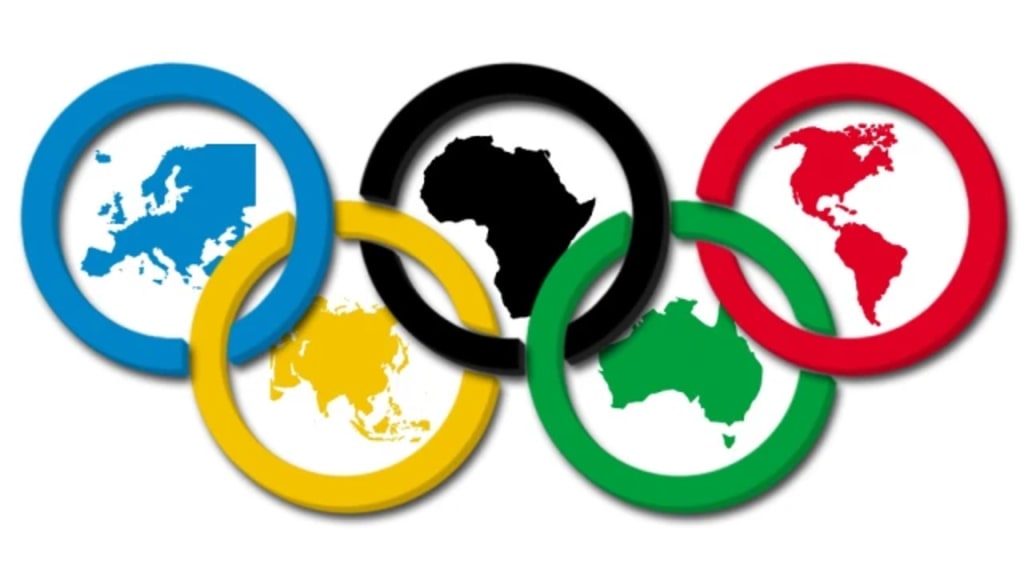
The Olympic Games, an international celebration of athletic prowess and cultural unity, have long been influenced by the geopolitical landscape. As the world grows increasingly interconnected yet divided by political ideologies, conflicts, and alliances, the role of global politics in shaping the future of the Olympic Games is undeniable. From issues of host nation selection to the participation of athletes and the influence of international relations, politics continues to cast a shadow over this prestigious sporting event.
The Selection of Host Nations
The process of selecting host nations for the Olympics has always been a politically charged endeavor. Historically, countries view hosting the Games as an opportunity to showcase their cultural heritage, economic power, and political ideologies. However, as the geopolitical climate intensifies, the International Olympic Committee (IOC) faces mounting scrutiny regarding its choices. For example, the selection of Beijing for the 2008 Summer Olympics and the 2022 Winter Olympics drew criticism due to China's human rights record. Similarly, Russia's hosting of the 2014 Sochi Winter Olympics was seen by some as a means of legitimizing its Government on the Global stage.
Future Olympic host selections are likely to face even greater contention. Nations vying for the Games may encounter heightened scrutiny regarding their political practices, environmental policies, and human rights records. This could lead to a scenario where fewer nations are willing or able to host the Olympics due to the immense financial and political pressures involved.
Athlete Participation and Political Boycotts
Political boycotts have historically affected the Olympic Games, disrupting the spirit of unity that the event seeks to promote. The 1980 Moscow Olympics, for instance, were boycotted by over 60 countries in protest of the Soviet invasion of Afghanistan. In turn, the Soviet Union and other Eastern Bloc nations boycotted the 1984 Los Angeles Olympics.
As tensions rise between global powers, the possibility of future boycotts looms large. Issues such as territorial disputes, military conflicts, and ideological differences could prompt nations to withdraw their athletes from competition, undermining the inclusivity and diversity that define the Olympics. Additionally, individual athletes may face restrictions or bans due to their national affiliations or personal political stances, further politicizing the Games.
The Role of Technology and Media
In the digital age, technology and media amplify the intersection of politics and sports. Social media platforms provide athletes and spectators alike with a global stage to voice their opinions, often igniting political debates. The spread of misinformation and propaganda through digital channels can exacerbate existing geopolitical tensions, influencing public perception of the Olympics.
Moreover, state-sponsored cyberattacks targeting the Games have become a growing concern. During the 2018 PyeongChang Winter Olympics, cyberattacks disrupted several aspects of the event, highlighting the vulnerability of such large-scale operations to political interference. Ensuring cybersecurity for future Olympics will require significant investments and international cooperation, which could be hindered by strained political relationships.
Human Rights and Ethical Concerns
Human rights issues are another area where global politics intersect with the Olympics. Concerns about labor rights, displacement of local communities, and environmental degradation often accompany the construction of Olympic infrastructure. For instance, reports of poor labor conditions and environmental harm during the preparation for the 2022 Qatar World Cup raised questions about similar practices in Olympic preparations.
Activists and international organizations are increasingly vocal in demanding accountability from host nations and the IOC. Future Olympic Games may face intensified pressure to adhere to ethical standards, potentially influencing the selection of host nations and the overall management of the event.
The Olympics as a Platform for Diplomacy
Despite the challenges, the Olympic Games have also served as a platform for diplomacy and conflict resolution. The concept of an Olympic Truce, which dates back to ancient Greece, has been revived in modern times to promote peace and cooperation. For instance, the 2018 Winter Olympics in South Korea witnessed a rare moment of unity between North and South Korea, as athletes from both nations marched together under a unified flag during the opening ceremony.
Moving forward, the Olympics could play an even greater role in fostering dialogue among nations. The Games provide a unique opportunity for cultural exchange and mutual understanding, which can help bridge political divides. However, achieving this will require a concerted effort from the IOC, host nations, and participating countries to prioritize the unifying spirit of the Olympics over political agendas.
In The End
Global politics will undoubtedly continue to shape the future of the Olympic Games. From the selection of host nations to the participation of athletes and the management of ethical concerns, the interplay between sports and politics presents both challenges and opportunities. While the political influence on the Olympics cannot be entirely eliminated, efforts can be made to ensure that the Games remain a symbol of unity, resilience, and human achievement. By addressing political challenges with transparency, inclusivity, and ethical integrity, the Olympic movement can uphold its mission of promoting peace and understanding in an increasingly divided world.
About the Creator
Badhan Sen
Myself Badhan, I am a professional writer.I like to share some stories with my friends.
Keep reading
More stories from Badhan Sen and writers in Gamers and other communities.
THE ROLE OF GEN Z ATHLETES IN SHAPING THE FUTURE OF THE OLYMPICS
The Olympic Games, a symbol of global unity and human excellence, are undergoing a transformation as a new generation of athletes emerges on the world stage. Gen Z, born roughly between 1997 and 2012, is redefining traditional norms and reshaping the future of sports, and their influence on the Olympics is both profound and multifaceted. With their distinctive characteristics, technological fluency, and cultural awareness, Gen Z athletes are not only competing for medals but also revolutionizing how the Olympics are perceived and experienced.
By Badhan Senabout a year ago in Gamers




Comments
There are no comments for this story
Be the first to respond and start the conversation.