
THE GROWING POPULARITY OF BADMINTON IN THE OLYMPICS
Badminton's Rise as a Thrilling Global Sport in the Olympic Arena.

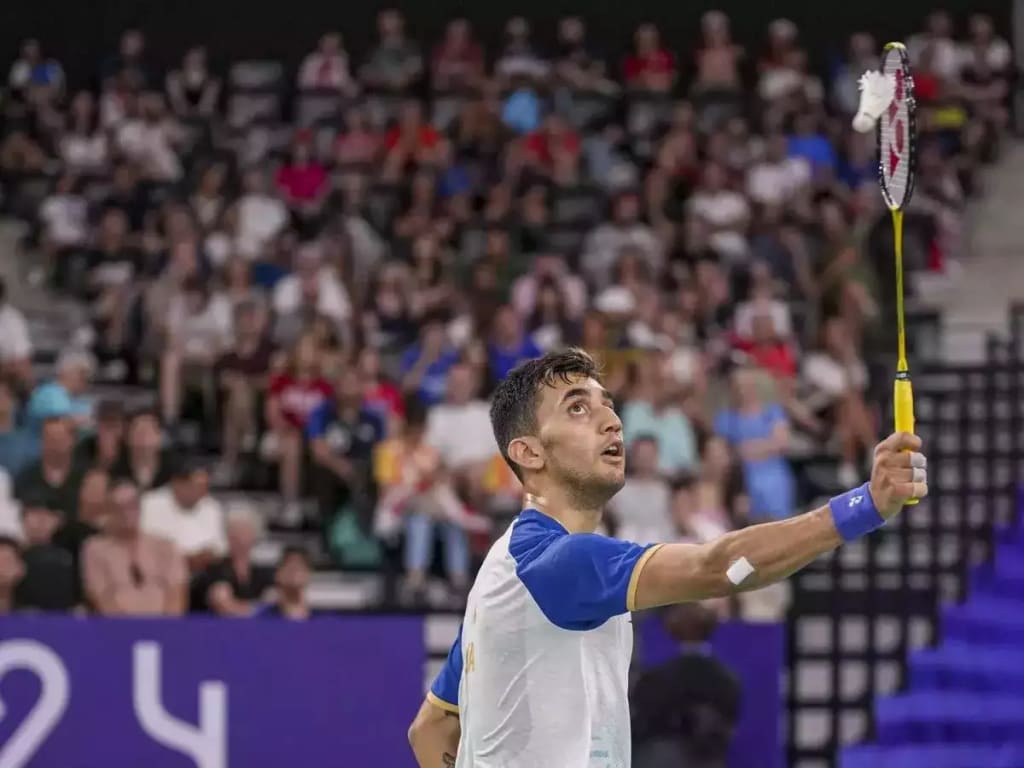
Badminton, a sport that combines agility, speed, precision, and endurance, has seen a remarkable rise in popularity on the global stage, particularly within the Olympics. Once perceived as a leisurely backyard game, badminton has transformed into a fiercely competitive sport that garners attention from millions of spectators worldwide. Its inclusion in the Olympic Games has not only elevated the sport's prestige but also broadened its global reach, inspiring countless athletes and fans alike. This essay delves into the factors contributing to badminton’s growing popularity in the Olympics, its impact on global sports culture, and the challenges it faces moving forward.
(I)Historical Overview of Badminton in the Olympics
Badminton’s journey to becoming an Olympic sport began in 1972, when it was introduced as a demonstration event at the Munich Games. However, it wasn’t until the 1992 Barcelona Olympics that badminton was officially included as a medal sport, featuring men’s and women’s singles and doubles events. The mixed doubles category was added in the 1996 Atlanta Games, making badminton one of the few Olympic sports with a mixed-gender event.
The inclusion of badminton in the Olympics marked a turning point for the sport, providing it with a platform to reach a broader audience. Countries with strong badminton traditions, such as China, Indonesia, South Korea, and Denmark, began dominating the sport, but its appeal gradually expanded to other nations, fostering greater competition and diversity among players.
(II)Factors Driving Badminton’s Olympic Popularity
Several factors have contributed to the growing popularity of badminton in the Olympics:
- High-Intensity Action and Entertainment
Badminton matches are known for their lightning-fast rallies, powerful smashes, and incredible displays of athleticism. Shuttlecocks can travel at speeds exceeding 400 km/h, making badminton the fastest racket sport in the world. This dynamic gameplay captures the attention of audiences, offering a thrilling spectator experience.
- Global Representation
Unlike many sports dominated by a few nations, badminton showcases a wide range of talent from across the globe. Countries from Asia (China, Indonesia, India, and Japan) and Europe (Denmark and Spain) consistently compete at the highest level, ensuring a diverse and inclusive competition. The sport’s growing popularity in non-traditional regions like Africa and the Americas further underscores its global appeal.
Iconic athletes like Lin Dan, Lee Chong Wei, Carolina Marín, and P. V. Sindhu have elevated badminton’s status through their extraordinary performances on the Olympic stage. Their stories of perseverance, skill, and sportsmanship inspire new generations of players and fans.
- Media Coverage and Digital Engagement
Advances in media coverage and digital platforms have amplified badminton’s visibility. Live streaming, slow-motion replays, and detailed analytics allow fans to appreciate the intricacies of the game. Social media platforms have also enabled players to connect with their supporters, fostering a sense of community and engagement around the sport.
- Olympic Branding and Prestige
Being part of the Olympics has significantly enhanced badminton’s image. The Olympic Games represent the pinnacle of athletic achievement, and badminton’s association with this global event has attracted more sponsors, funding, and viewership.
(III)Impact on Global Sports Culture
The growing popularity of badminton in the Olympics has had a profound impact on global sports culture:
- Increased Participation: Olympic exposure has motivated many young people to take up badminton. Grassroots programs and training academies have flourished in countries where the sport was previously less prominent.
- Gender Equality: The inclusion of mixed doubles highlights badminton’s commitment to gender equality, promoting balanced representation and collaboration between male and female athletes.
- Economic Opportunities: The rise in popularity has created economic opportunities for players, coaches, and event organizers. Sponsorship deals and professional leagues, such as the Premier Badminton League in India, have emerged as lucrative avenues for stakeholders.
- Cultural Exchange: Badminton’s global appeal fosters cultural exchange, as athletes and fans from diverse backgrounds come together to celebrate the sport.
(IV)Challenges and Opportunities
Despite its growing popularity, badminton faces several challenges in its quest for greater recognition:
- Geographic Imbalance: While badminton thrives in Asia and parts of Europe, it struggles to gain a foothold in regions like North America and Africa. Efforts to popularize the sport in these areas are essential for its continued growth.
- Competition with Other Sports: Badminton competes with sports like tennis, which enjoy larger fan bases and higher media visibility. Marketing strategies that emphasize badminton’s unique attributes could help it stand out.
- Infrastructure and Accessibility: Developing countries often lack the infrastructure and resources needed to train elite badminton players. Investment in facilities, coaching, and equipment is crucial to overcoming this barrier.
- Maintaining Olympic Status: To retain its place in the Olympics, badminton must continue to demonstrate its global appeal and relevance. Ensuring high-quality competitions and broad participation will be Key.
In The End
The growing popularity of badminton in the Olympics reflects its evolution from a recreational pastime to a world-class sport. Its fast-paced action, global representation, and inspiring athletes have captivated audiences and elevated its status within the Olympic movement. While challenges remain, the sport’s potential for growth is immense, particularly with strategic efforts to expand its reach and enhance its visibility. As badminton continues to shine on the Olympic stage, it inspires millions of players and fans to embrace the values of excellence, perseverance, and unity that the sport embodies.
About the Creator
Badhan Sen
Myself Badhan, I am a professional writer.I like to share some stories with my friends.
Keep reading
More stories from Badhan Sen and writers in Gamers and other communities.
THE ROLE OF SAILING IN THE OLYMPICS
Sailing, an age-old maritime pursuit, holds a significant position in the modern Olympic Games. Since its inclusion in the second edition of the Summer Olympics in 1900, sailing has grown to be an enduring part of the Olympic movement, showcasing a blend of skill, strategy, endurance, and a unique interaction with nature. This essay explores the historical evolution of sailing in the Olympics, its importance, and the values it brings to the Games.
By Badhan Senabout a year ago in Gamers
How to Get the Vortex Beater in Palworld: Sealed Realm of Terraria Guide
The endgame of Palworld has evolved significantly with the introduction of the crossover-inspired dungeons, and nothing captures the imagination of players quite like the Sealed Realm of Terraria.
By Richard Bailey3 days ago in Gamers
Forza horizon 5 treasure hunt 30k is the game
What Is a Treasure Hunt in Forza Horizon 5? Treasure Hunts are optional mini-quests in Forza Horizon 5 that send you on a simple scavenger hunt using clues. Completing one earns 30,000 Credits (30K), which you can use to buy cars, upgrades, or cosmetics.
By Games Mode On2 days ago in Gamers




Comments
There are no comments for this story
Be the first to respond and start the conversation.