
The Gaming Industry: A Global Powerhouse
In 2024, it continues to grow exponentially, capturing the attention of billions of players worldwide.
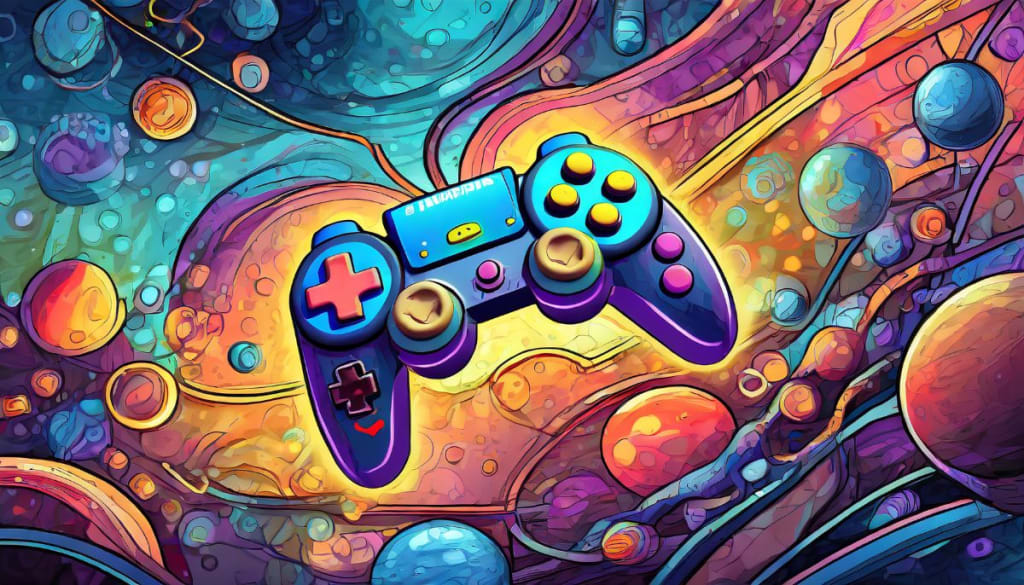
The gaming industry has transformed from a niche hobby to one of the most dominant forces in entertainment. With technological advances, new platforms, and evolving business models, the gaming industry is poised for even more significant developments. In this article, we will explore the history of gaming, its current state, the key trends shaping its future, and the economic and social impact of this ever-expanding industry
The History of the Gaming Industry
The gaming industry began in the 1970s with the introduction of early arcade games and home consoles. Titles like Pong and Space Invaders became household names, creating the foundation for what would become a multi-billion-dollar industry. Throughout the 1980s and 1990s, companies such as Nintendo, Sega, and Sony revolutionized gaming with consoles like the Nintendo Entertainment System (NES), Sega Genesis, and PlayStation.
The evolution of personal computers and the rise of the internet in the late 1990s opened new doors for the gaming industry. Online multiplayer gaming became possible, and companies such as Blizzard Entertainment and Valve Corporation introduced iconic titles like World of Warcraft and Counter-Strike, respectively. These titles pushed the boundaries of what video games could offer, setting the stage for the current era of gaming.
The Current State of the Gaming Industry
In 2024, the gaming industry is a massive ecosystem encompassing various sectors, including console gaming, PC gaming, mobile gaming, cloud gaming, and esports. Each sector contributes to the industry's growth, and gaming has become a global entertainment leader, often surpassing the revenue generated by movies and music.
1. Console Gaming
Console gaming remains a core part of the industry. The latest generation of consoles, such as the PlayStation 5, Xbox Series X, and Nintendo Switch, continues to captivate players with exclusive titles and cutting-edge graphics. Sony, Microsoft, and Nintendo dominate the console market, each with a loyal fan base. Despite the rise of mobile and cloud gaming, console gaming is expected to remain a significant force in the industry due to its strong cultural presence and community-driven experiences.
2. PC Gaming
PC gaming thrives due to its flexibility, higher graphical capabilities, and customizable nature. Games like Dota 2, League of Legends, and Counter-Strike: Global Offensive have massive player bases and competitive scenes, fostering a culture of modding, innovation, and high-stakes tournaments. The PC platform also benefits from Steam, a marketplace that provides easy access to thousands of games, from AAA titles to indie projects.
3. Mobile Gaming
Mobile gaming has experienced explosive growth in recent years. Games such as PUBG Mobile, Fortnite, and Genshin Impact have redefined what is possible on a mobile device. With smartphones becoming more powerful, mobile gaming appeals to a broader audience, from casual players to competitive gamers. It is now the largest sector in terms of revenue, driven by microtransactions, in-app purchases, and the free-to-play model.
4. Cloud Gaming
Cloud gaming represents a new frontier in the gaming industry, allowing players to stream games directly to their devices without the need for expensive hardware. Services such as Google Stadia, NVIDIA GeForce Now, and Xbox Cloud Gaming are making high-quality gaming accessible to more people, regardless of their device's capabilities. While cloud gaming is still in its infancy, it has the potential to reshape how people play games in the future.
5. Esports
Esports has emerged as a global phenomenon, turning professional gaming into a legitimate career path. Games like League of Legends, Overwatch, and Fortnite have become household names in competitive gaming. Esports tournaments attract millions of viewers and offer multi-million-dollar prize pools. The rise of streaming platforms like Twitch has further propelled the popularity of esports, with professional players and teams gaining widespread recognition.
Conclusion
The gaming industry is a dynamic, ever-evolving landscape that shows no signs of slowing down. From its humble beginnings to its current status as a global entertainment juggernaut, gaming has revolutionized how we play, interact, and engage with digital worlds. As new technologies like VR, blockchain, and the metaverse emerge, the future of gaming looks more immersive, connected, and innovative than ever before. Whether it's through competitive esports, mobile games on the go, or exploring vast open-world adventures, gaming is set to remain a defining force in the entertainment industry for years to come.
About the Creator
Dominic Hardy
I am a skilled SEO expert with over 4 years of experience, specializing in SEO Keyword Research, On-Page SEO, and Off-Page SEO. With a proven track record in WordPress optimization.
Keep reading
More stories from Dominic Hardy and writers in Gamers and other communities.
Bubble Craps Explained: Best Rules, Tips, and Winning Strategies
The casino floor is a jungle. A place where the sounds of spinning wheels, shuffling cards, and clinking chips collide in a chaotic symphony that raises your blood pressure and sends a shiver down your back. Among the sea of blinking lights and digital whirs, there’s one machine that stands out, not for its bright lights, towering presence, or overwhelming complexity, but for its simplicity and approachability. It’s called bubble craps, a game that’s a cocktail of classic craps and modern-day tech, served with a twist of excitement. But if you walk up to it without a bubble craps strategy, you might as well be tossing your money into the wind.
By Dominic Hardyabout a year ago in Gamers
The Rise of Online Gaming Communities: How Players, Creators, and Collaboration Shape Digital Culture
Over the last decade, online gaming has grown far beyond a simple form of entertainment. What once existed as a niche hobby for a small group of enthusiasts has evolved into a vast, interconnected digital culture. Today, online gaming is a global ecosystem that connects players, creators, and communities, all contributing to an environment where interaction, storytelling, and creativity define the experience. Gaming has become more than a pastime—it’s a space where social connections are built, ideas are shared, and digital culture is shaped.
By Hawaiian Malia6 days ago in Gamers


Comments