
THE EXERCISE OF THE MIND
Nurturing Cognitive Agility And Expanding Horizons: The Mental Gymnastics of Games

》ABSTRACT《
This essay delves into the multifaceted topic of nurturing cognitive agility and expanding horizons through games. It explores the meaning of each component of the topic, examines various types and forms of games, and provides five examples for each category. Additionally, the essay delves into the enjoyable aspects of gaming, particularly focusing on youths' involvement in mobile gaming, its benefits, and its potential negative impacts. Furthermore, it investigates the profitability of mobile gaming, encompassing both the gains and losses experienced by game developers and gamers.
1▪︎ Introduction
The rapid advancements in technology have revolutionized the gaming industry, offering individuals a diverse range of interactive experiences. Games serve as a means to nurture cognitive agility and expand horizons by challenging mental faculties, encouraging problem-solving, and fostering creativity. In this essay, we will explore the different aspects of this topic, beginning with a comprehensive understanding of each term.
1.1 Nurturing:
"Nurturing" refers to the process of facilitating growth, development, and improvement. In the context of cognitive agility and expanding horizons, nurturing involves creating an environment that promotes intellectual stimulation, learning, and adaptability.
1.2 Cognitive Agility:
"Cognitive agility" encompasses the mental flexibility and adaptability to rapidly process information, solve problems, and think creatively. It involves the ability to switch between different tasks, perspectives, and strategies to achieve desired outcomes.
1.3 Expanding Horizons:
"Expanding horizons" refers to broadening one's knowledge, experiences, and perspectives. It involves exploring new ideas, cultures, and concepts to enhance personal growth and understanding of the world.
》TYPES AND FORMS OF GAMES《

Games come in various types and forms, each offering unique experiences and engaging different cognitive skills. The following section provides an overview of the main categories of games and explores five examples within each category.
2.1▪︎ Action games:

Action games are a genre of video games that emphasize fast-paced gameplay, often involving combat, exploration, and physical challenges. These games typically require quick reflexes, hand-eye coordination, and strategic decision-making. Here are five examples of action games: "Call of Duty," "Assassin's Creed," "Grand Theft Auto," "Fortnite," "Doom."
2.2▪︎ Puzzle Games:

Puzzle games are a genre of video games that focus on solving puzzles and challenges through logical thinking, problem-solving, and spatial reasoning. These games often require players to analyze and manipulate objects or patterns to progress. Here are five examples of puzzle games: "Tetris," "Portal," "The Witness," "Sudoku," "Myst."
2.3▪︎ Strategy Games:

Strategy games are a genre of video games that focus on strategic decision-making, resource management, and long-term planning. They require players to think strategically, analyze information, and make tactical choices to achieve specific objectives. Strategy games can be divided into two sub-genres, Real-time Strategy(RTS) and Turn-based Strategy(TBS), each offering unique gameplay mechanics and challenges. Here are five examples of Strategy Games: "Civilization," "StarCraft," "XCOM: Enemy Unknown," "Age of Empires," "Sid Meier's Pirates!"
2.4▪︎ Role-Playing Games:

Role-playing games (RPGs) are a genre of video games that allow players to assume the roles of characters within a fictional world. RPGs typically involve immersive storytelling, character development, and a focus on player choice and exploration. Players often embark on quests, engage in combat, and make decisions that shape the outcome of the game's narrative. Here are five examples of Role-Playing Games: "The Elder Scrolls V: Skyrim," "Final Fantasy VII," "Mass Effect," "The Witcher 3: Wild Hunt," "Pokémon."
2.5▪︎ Simulation Games:

Simulation games are a genre of video games that aim to replicate real-world activities, environments, or systems. These games allow players to experience and control simulated aspects of life, whether it be running a business, piloting vehicles, or managing cities. Simulation games often focus on realism, attention to detail, and providing players with a sense of immersion. Here are five examples of simulation games: "The Sims," "Farming Simulator," "Microsoft Flight Simulator," "Cities: Skylines," "Euro Truck Simulator 2."
2.6▪︎ Sports Games:

Sports games are a genre of video games that simulate real-world sports or incorporate elements of sports gameplay. These games typically aim to recreate the rules, mechanics, and atmosphere of various sports, allowing players to engage in virtual competitions. Sports games often emphasize skill-based gameplay, strategy, and teamwork. Here are five examples of Sports games: "FIFA," "NBA 2K," "Madden NFL," "Tony Hawk's Pro Skater," "Mario Tennis Aces."
2.7▪︎ Adventure Games:
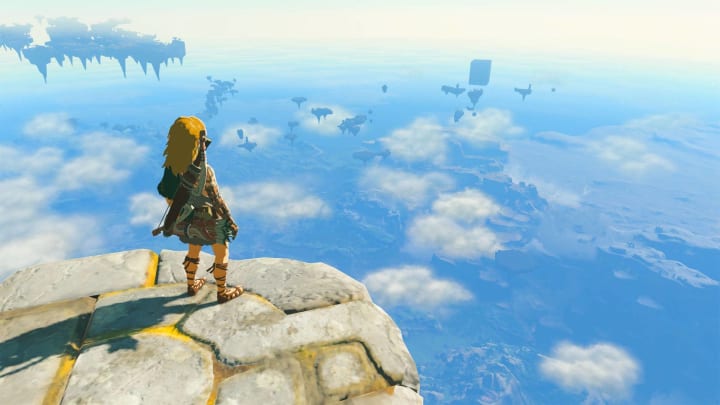
Adventure games are a genre of video games that prioritize exploration, puzzle-solving, and narrative-driven experiences. These games often feature immersive worlds, compelling stories, and a focus on character development. Adventure games challenge players to solve puzzles, interact with characters, and progress through the game by uncovering mysteries and overcoming obstacles. Here are five examples of Adventure games: "The Legend of Zelda: Breath of the Wild," "Uncharted," "Grim Fandango," "Life is Strange," "Firewatch."
2.8▪︎ Educational Games:

Educational games are a genre of video games that are specifically designed to impart knowledge, teach skills, or reinforce educational concepts. These games aim to make learning enjoyable and engaging by incorporating interactive gameplay elements. Educational games can cover a wide range of subjects, from math and science to language learning and problem-solving. Here are five examples of Educational games: "Minecraft: Education Edition," "Math Blaster," "Carmen Sandiego series," "The Oregon Trail," "CodeCombat."
2.9▪︎ Board Games:

Board games are tabletop games that typically involve players moving game pieces or tokens on a board according to specific rules. These games often incorporate elements of strategy, luck, and competition, providing social interaction and entertainment for players. Board games come in various themes and genres, catering to different interests and age groups. Here are five examples of Board games: "Monopoly," "Chess," "Settlers of Catan," "Ticket to Ride," "Carcassonne."
2.10▪︎ Virtual Reality (VR):

Virtual Reality (VR) gaming is a form of interactive entertainment that immerses players in a simulated virtual environment through the use of VR headsets and motion-tracking technologies. It allows players to experience games in a more immersive and engaging way by creating a sense of presence and interaction within the virtual world. Here are five examples of Virtual Reality(VR) Games: "Beat Saber," "Half-Life: Alyx," "Superhot VR," "Job Simulator," "Moss."
》The Fun of Gaming《

Games offer a myriad of enjoyable aspects, attracting individuals of all ages and backgrounds. They provide entertainment, escapism, social interaction, and opportunities for personal growth and achievement. Engaging in games promotes relaxation, relieves stress, and fosters creativity. Furthermore, games enable players to connect with friends and communities, strengthening social bonds. The sense of accomplishment and progression within games can boost self-confidence and motivation. Gaming experiences vary widely, catering to different preferences and interests. Let's briefly explain some of the big terms
》Youths and Mobile Gaming《

In recent years, mobile gaming has gained immense popularity among youths due to its accessibility, convenience, and the widespread availability of smartphones. Mobile games provide a wide range of benefits for young players, including:
4.1▪︎ Cognitive Development:
Mobile games can enhance cognitive skills such as problem-solving, critical thinking, and memory retention. Certain games require strategic decision-making, logical reasoning, and quick reflexes, thereby stimulating cognitive abilities.
4.2▪︎ Skill Development:
Mobile games can foster the development of various skills, such as hand-eye coordination, spatial awareness, and fine motor skills. Games that involve precise movements or complex tasks can improve players' dexterity and coordination.
4.3▪︎ Social Interaction:
Mobile gaming platforms and online multiplayer games enable youths to connect and interact with friends and fellow gamers. They provide opportunities for collaboration, teamwork, and socializing, strengthening interpersonal skills and forming communities.
4.4▪︎ Creativity and Imagination:
Mobile games that encourage creative expression, such as building and designing games, stimulate imagination and artistic skills. Players can create and customize their virtual worlds, characters, and stories, promoting creativity and innovation.
4.5▪︎ Stress Relief and Relaxation:
Mobile games can serve as a form of entertainment and relaxation, allowing youths to unwind and escape from everyday stressors. Engaging in enjoyable gameplay can reduce anxiety and provide a sense of leisure.
Despite the benefits, it is crucial to acknowledge the potential negative impacts of mobile gaming on youths, including:
4.6▪︎ Addiction and Excessive Screen Time:
Excessive gaming can lead to addiction and an unhealthy level of screen time, potentially interfering with academics, social relationships, and overall well-being. Balancing gaming with other activities is essential.
4.7▪︎ Social Isolation:
Excessive engagement in mobile gaming may contribute to social isolation if it replaces face-to-face interactions and real-life experiences. It is important to find a healthy balance between virtual and real-world socialization.
4.8▪︎ Health Concerns:
Extended periods of sedentary gameplay can lead to physical health issues such as obesity, muscular and skeletal problems, and eye strain. Encouraging physical activity and taking regular breaks from gaming are essential for overall well-being.
》Profit and Losses in Mobile Gaming《

The mobile gaming industry has experienced tremendous financial success in recent years. Game developers and publishers generate profits through various monetization strategies, such as:
5.1▪︎ In-App Purchases:
Many mobile games offer optional in-app purchases, allowing players to buy virtual items, cosmetic enhancements, or gameplay advantages. This model generates significant revenue for developers.
5.2▪︎ Advertising:
Ads displayed within mobile games, whether through banners, interstitials, or rewarded ads, provide developers with advertising revenue. Companies pay to reach a large player base through in-game placements.
5.3▪︎ Subscriptions and Premium Versions:
Some games offer subscription-based models or premium versions, granting players access to additional content or features. This monetization approach ensures a steady stream of income for developers.
5.4▪︎ In-Game Currency:
Developers can introduce in-game currency that players can purchase with real money, allowing them to acquire virtual goods or progress more quickly. This model capitalizes on players' desire for progression and customization.
5.5▪︎ Licensing and Merchandising:
Successful mobile games often expand their brand through licensing and merchandising, including merchandise sales, movie adaptations, and collaborations. These endeavors contribute to additional revenue streams.
However, both developers and gamers can face losses in the mobile gaming landscape:
5.6▪︎ Development Costs and Risks:
Game development involves significant investment, including expenses for hiring talent, marketing, and technological infrastructure. If a game fails to attract a substantial player base, developers may experience financial losses.
5.7▪︎ Monetization Challenges:
Finding the right balance between engaging gameplay and monetization can be challenging. Invasive or overly aggressive monetization strategies can alienate players, leading to negative reviews and decreased revenue.
5.8▪︎ Player Spending and Addiction:
Players may experience financial losses if they succumb to excessive in-app purchases or gambling mechanics within games. This can lead to addictive behaviors and financial hardships.
5.9▪︎ Market Saturation and Competition:
The mobile gaming market is highly saturated, making it challenging for new developers to gain visibility and attract players. Competition can lead to lower profits or even failure for certain games.
5.10▪︎ Reputation and Quality Concerns:
Reputation and user reviews play a significant role in a game's success. If a game receives negative feedback due to technical issues, lack of content, or unethical practices, it may suffer financial losses and damage to its reputation.
》Conclusion《
About the Creator
Reader insights
Outstanding
Excellent work. Looking forward to reading more!
Top insights
Easy to read and follow
Well-structured & engaging content
Eye opening
Niche topic & fresh perspectives
Masterful proofreading
Zero grammar & spelling mistakes
On-point and relevant
Writing reflected the title & theme
Keep reading
More stories from Chima Chibueze and writers in Gamers and other communities.
Masturbations: Good or bad?
> WHAT IS MASTURBATION? < Masturbation is a natural and common sexual activity that involves self-stimulation of the genitals for sexual pleasure. It is typically achieved by using one's hands, fingers, or various objects. Throughout history, masturbation has been a topic of curiosity, controversy, and even shame. In this essay, we will explore the meaning of masturbation, its pros and cons, potential side effects and health risks, moral implications, and strategies for stopping or reducing this behavior.
By Chima Chibueze 3 years ago in Humans
Andreas Szakacs Launches Independent Production Company as Summitfall Enters Production
The move marks a notable shift in Szakacs’ professional trajectory — transitioning from performance-focused projects to a broader role in development, financing, and creative oversight.
By Andreas Szakacs4 days ago in Gamers




Comments (1)
Very thoughtful of you, atleast I now know that my son isn't wasting his time gaming