
THE EFFECT OF THE OLYMPICS ON NATIONAL HEALTHCARE AND SPORTS SYSTEMS
The Impact of the Olympics on National Healthcare and Sports Infrastructure.

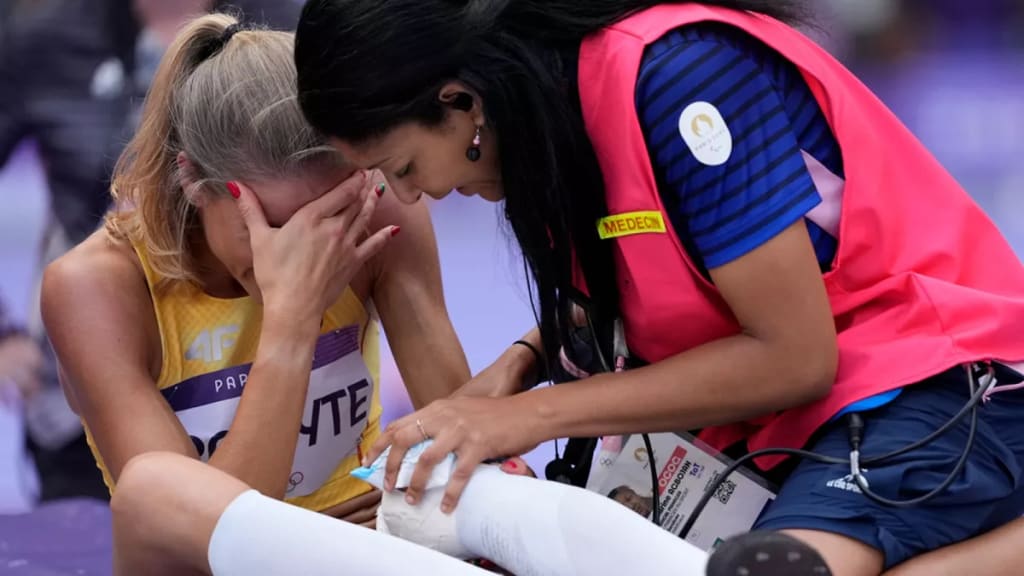
The Olympic Games, one of the largest and most prestigious sporting events in the world, have a profound impact on the host country's healthcare and sports systems. While the event is celebrated for promoting athleticism, unity, and cultural exchange, its legacy is often marked by significant changes to the country's infrastructure, healthcare services, and sports development programs. These changes can be both short-term and long-lasting, with some of them contributing to the overall well-being of the nation, while others may create challenges or disparities.
(I)Positive Effects on Healthcare Systems
Hosting the Olympics often leads to large-scale investments in the healthcare sector. This can have direct and indirect benefits for the national healthcare system. One of the most immediate benefits is the increased emphasis on emergency medical services. The Games require comprehensive healthcare planning to handle the influx of athletes, officials, and spectators. This results in the upgrading of hospitals and the creation of temporary healthcare facilities, which enhances the healthcare infrastructure.
For example, the 2012 London Olympics saw the establishment of the Olympic Village Medical Centre and other health centers equipped to handle a wide range of medical emergencies. These improvements not only served the Games but also left a lasting legacy by improving healthcare services in the surrounding areas. In many cases, this leads to better emergency response systems, modernized medical equipment, and trained personnel who continue to serve the general public after the event.
Additionally, the Olympics serve as a platform for promoting public health. The event attracts global attention to issues such as physical fitness, healthy living, and mental health. By showcasing elite athletes and their commitment to fitness, the Games inspire the population to engage in healthier lifestyles. Governments often use the opportunity to launch nationwide health campaigns, including those focused on physical activity and chronic disease prevention. The 2008 Beijing Olympics, for instance, led to improvements in the health infrastructure, with a particular emphasis on community fitness programs.
(II)Impact on National Sports Systems
One of the most significant effects of hosting the Olympics is the enhancement of a country's sports infrastructure and the development of its national sports programs. The host nation is typically required to build state-of-the-art sports venues, training facilities, and athlete accommodations. These facilities can be used long after the Games are over, providing a lasting boost to the nation’s sports programs.
The legacy of the 2008 Beijing Olympics, for example, includes the Beijing National Stadium (also known as the Bird's Nest), which continues to be used for major international events. Similarly, the 2016 Rio Olympics led to the development of a number of sports venues that, despite facing challenges in maintenance, contributed to the growth of local sports.
Moreover, the Olympics provide an opportunity to identify and nurture athletic talent. National sports programs often see a surge in interest, as the success of athletes on the Olympic stage creates national pride and encourages the younger generation to pursue sports. This effect can be seen in countries like the United States, where the success of Olympians in sports like swimming, athletics, and gymnastics sparks youth interest in these disciplines. The Olympic Games also highlight the importance of providing adequate training and resources for athletes, motivating countries to invest more in sports development programs.
(III)Challenges to Healthcare and Sports Systems
While the Olympics bring numerous benefits, they can also present challenges for the healthcare and sports systems. One major issue is the short-term pressure on the healthcare system. With a massive influx of visitors, the healthcare facilities in the host city can become overwhelmed. The demand for services during the Games is often higher than normal, requiring the government to mobilize resources and personnel quickly.
Additionally, the long-term effects on the sports system can be mixed. While new infrastructure is created, maintaining these facilities after the Games can be a significant financial burden. The 2008 Beijing Olympics, for example, left behind several underused venues, as the government struggled to keep them operational. In some cases, this leads to a "white elephant" scenario where venues become expensive to maintain but do not provide substantial returns on investment.
Another challenge is the risk of exacerbating inequalities in access to sports and healthcare. In many cases, the benefits of Olympic investments may not be equitably distributed. While the athletes and top-level sports programs may benefit from improved infrastructure, the general public may not see the same advantages. For example, although the Olympics can improve the quality of healthcare in the host city, rural areas may not experience the same level of improvement. Similarly, sports facilities may be concentrated in urban areas, leaving less-developed regions with limited access to sporting opportunities.
In The End
In conclusion, the Olympics have a transformative effect on national healthcare and sports systems. The event brings substantial investments in infrastructure, health services, and sports development, leading to both immediate and long-lasting improvements. However, the benefits are not without challenges. The pressure on healthcare systems during the event, the long-term costs of maintaining Olympic venues, and the risk of inequality in access to resources are issues that host nations must consider. Ultimately, the success of the Olympics in enhancing national healthcare and sports systems depends on effective planning, sustainable development, and a focus on equitable benefits for all citizens.
About the Creator
Badhan Sen
Myself Badhan, I am a professional writer.I like to share some stories with my friends.
Keep reading
More stories from Badhan Sen and writers in Gamers and other communities.
THE ENVIRONMENTAL IMPACT OF THE OLYMPICS AND THE GREEN MOVEMENT
The Olympic Games, one of the most prestigious sporting events in the world, have a profound environmental impact due to the vast infrastructure, high resource consumption, and large-scale transportation needs associated with the event. Over time, the International Olympic Committee (IOC) and host cities have recognized the importance of reducing the environmental footprint of the Games. This has led to the integration of sustainability initiatives in the form of the "Green Movement," a series of efforts aimed at mitigating the environmental damage caused by the Olympics while promoting eco-friendly practices. This essay explores the environmental challenges posed by the Olympics and the steps taken by the IOC and host cities to align the Games with sustainability goals.
By Badhan Senabout a year ago in Gamers
Rsvsr Rare Drops, Big Rewards: How the Sunder Charm Refreshes Diablo II: Resurrected Endgame
Blizzard’s Reign of the Warlock expansion for Diablo II: Resurrected has breathed new life into a game beloved by fans for decades. Among the many additions, one item has captured the imagination of players more than any other: the Sunder Charm.
By Billo Nali7 days ago in Gamers
The Forsyth House Fire
Since 1851, Forsyth House has stood on the corner of Union Street and Gordon Street in the heart of Glasgow. Its iconic, or was... because on Sunday 8th of March, 2026, a fire broke out in a small, seemingly un-named shop in the building and tore all that history down. As I write, the rubble is still unsettled and the street is still blocked off. Central Station is quiet on the upper level, and around 30 small businesses have quite literally gone up in smoke.
By S. A. Crawford3 days ago in The Swamp




Comments (1)
Good work on all fronts from the rich to the poor you covered it all.