
THE DEVELOPMENT OF WEARABLE TECHNOLOGY FOR OLYMPIC ATHLETES
Advancement in Wearable Technology for Enhancing Performance and Monitoring Health in Olympic Athletes.

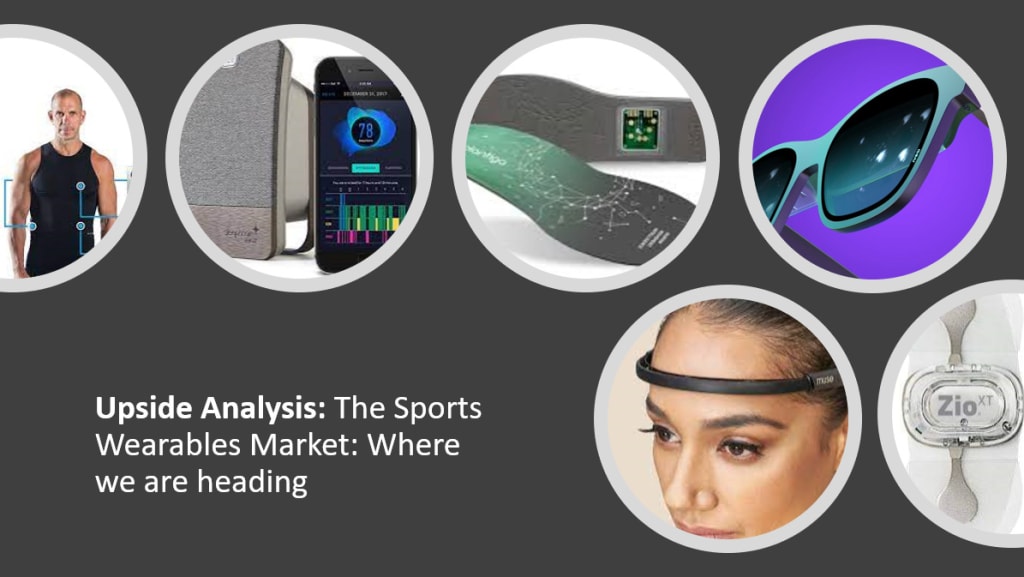
In recent years, the integration of wearable technology in sports has become a game-changer, and nowhere is this more evident than in the realm of Olympic athletics. As athletes continuously push the boundaries of human performance, wearable devices are playing a crucial role in optimizing their training, monitoring their health, and enhancing their overall competitive edge. This technological evolution is not only transforming how athletes train but also how they recover and perform under the immense pressure of the Olympic Games.
(I)The Rise of Wearable Technology in Sports
Wearable technology, which includes devices like fitness trackers, smartwatches, heart rate monitors, and smart clothing, has gained popularity in numerous fields over the past decade. In the context of Olympic athletes, these devices have become indispensable tools for improving both performance and injury prevention. Wearable tech provides real-time data on key physiological metrics such as heart rate, body temperature, step count, muscle activity, and even brain function, allowing athletes and their coaches to make data-driven decisions during training and competition.
The increasing sophistication of these technologies is rooted in advancements in miniaturization, wireless connectivity, and sensor accuracy. Many wearables today are designed to be non-intrusive and comfortable, ensuring that athletes can wear them for long periods without hindering performance or causing discomfort. The fusion of hardware and software in these devices allows for continuous monitoring, data collection, and even personalized feedback, making them vital tools for Olympic athletes.
(II)Training Optimization
For Olympic athletes, every second and every movement counts. Wearable technology is helping them achieve a deeper understanding of their bodies and optimize their training regimens. Smartwatches and fitness trackers, for instance, are capable of providing athletes with real-time data on their heart rate, calorie burn, and movement efficiency, enabling them to adjust their training intensity accordingly. This data allows athletes to track their progress over time, set personalized goals, and assess their readiness for competition.
Furthermore, more advanced wearables are equipped with sensors that can detect biomechanical movements such as stride length, joint angle, and even muscle fatigue. These metrics are invaluable for sprinters, swimmers, and other Olympic athletes whose performances are heavily reliant on precise body mechanics. By continuously monitoring these parameters, athletes can identify weaknesses or imbalances in their technique and work on improving them, thus reducing the risk of injury and maximizing efficiency during events.
(III)Injury Prevention and Recovery
One of the most significant advantages of wearable technology in the context of Olympic athletics is its ability to monitor injury risk and aid in recovery. With the high-intensity nature of Olympic competition, injuries are unfortunately a common occurrence. Wearable devices equipped with motion sensors can track an athlete's movements to identify any abnormal patterns or overexertion that could lead to injury. For example, a device may detect a slight deviation in an athlete's running stride that could result in a knee injury, allowing for corrective action before the injury occurs.
Additionally, wearables are helping athletes monitor their recovery processes. Devices like smart compression garments and sleep trackers provide valuable insights into how well an athlete is recovering after training sessions and competitions. For instance, sleep is critical for recovery, and smart wearables can track the quality and duration of sleep, helping athletes understand if they are getting adequate rest to support peak performance. By understanding their body’s recovery patterns, athletes can avoid overtraining and burnout, ensuring they are fully prepared for competition.
(IV)Performance Enhancement During Competition
In addition to optimizing training and aiding in recovery, wearable technology also plays a crucial role during Olympic events themselves. Devices such as smart shirts, headbands, and socks are designed to monitor an athlete’s performance in real-time during competition. These wearables track various metrics like body temperature, muscle tension, and lactate levels, providing both the athlete and their coaching staff with a deeper understanding of how they are performing during the event.
For example, some Olympic athletes use wearable devices to monitor lactate thresholds, which are indicative of the point at which lactic acid builds up in the muscles, causing fatigue. By understanding these thresholds, athletes can adjust their pacing during races, whether they are sprinting, swimming, or running long distances. Wearable devices can also provide immediate feedback, allowing athletes to make split-second adjustments that could be the difference between a gold medal and a fourth-place finish.
(V)Data Integration and Decision-Making
The full potential of wearable technology is realized when the data collected by these devices is integrated into a larger system of performance analysis. Coaches and medical staff can use the data to make informed decisions on when an athlete should push harder in training, when to take a break, and how to optimize their mental and physical states for peak performance. By leveraging big data and artificial intelligence, athletes and teams can develop tailored strategies for improving weaknesses, capitalizing on strengths, and enhancing the overall competitive edge.
(VI)The Future of Wearable Technology in Olympic Sports
As wearable technology continues to evolve, its role in Olympic athletics is only expected to expand. The next generation of wearables will likely feature even more advanced sensors that can track a wider range of physiological and environmental factors, including real-time hydration levels, muscle oxygenation, and mental state. The future of wearable technology could also see the development of more advanced haptic feedback systems, where athletes receive physical cues from their devices to help them adjust their technique or intensity in real-time.
In addition to improving performance, these advancements will further ensure that Olympic athletes can train smarter, reduce injuries, and extend their careers. The continuous monitoring of an athlete’s health and performance will enable more precise and personalized training programs, helping each individual reach their full potential.
In The End
Wearable technology is transforming the way Olympic athletes approach training, competition, and recovery. With real-time data and advanced sensors, these devices help athletes optimize their performance, minimize injury risks, and recover more efficiently. As technology continues to evolve, the role of wearables in elite sports will only grow, offering new opportunities for athletes to push the limits of human performance. For Olympic athletes, the future is not just about physical strength, but about harnessing the power of data and technology to gain a competitive edge.
About the Creator
Badhan Sen
Myself Badhan, I am a professional writer.I like to share some stories with my friends.
Keep reading
More stories from Badhan Sen and writers in Gamers and other communities.
INNOVATION IN OLYMPIC TIMING AND SCORING SYSTEM
The Olympic Games, with their rich history dating back to ancient Greece, have evolved significantly over the years, particularly in terms of how events are timed and scored. Accurate timing and scoring are crucial for ensuring fairness, consistency, and excitement in the Games, and technological advancements have played a pivotal role in this evolution. Innovations in Olympic timing and scoring systems have transformed how athletes, coaches, and spectators experience the Games, making them more precise, accessible, and dynamic.
By Badhan Senabout a year ago in Gamers
Xbox Game Pass in 2026: Can the Brand Really Go Back to Exclusives?
The past week has been a fascinating one for Xbox. A major leadership shake-up has brought a new face to the forefront of the brand, with Asha Chararma stepping into a prominent leadership role. Since the announcement, the gaming community has seen a wave of reactions, PR statements, and opinion pieces discussing what this shift could mean for the future of Xbox.
By Info Post Gate6 days ago in Gamers
Rsvsr Hello Kitty Partners Event Brings Fun and Rewards to Monopoly GO
Monopoly GO keeps surprising players with fun, limited-time events, and the Hello Kitty Partners event is one of its most exciting yet. Combining cooperative gameplay, leaderboard competitions, and time-limited boosts, this event gives players a reason to roll the dice more strategically than ever.
By Billo Nali3 days ago in Gamers




Comments (1)
What a good and interesting article you have here in fashion and health.