
THE CONTROVERSY SURROUNDING THE 1936 BERLIN OLYMPICS
The Political and Racial Tensions Behind the 1936 Berlin Olympics.

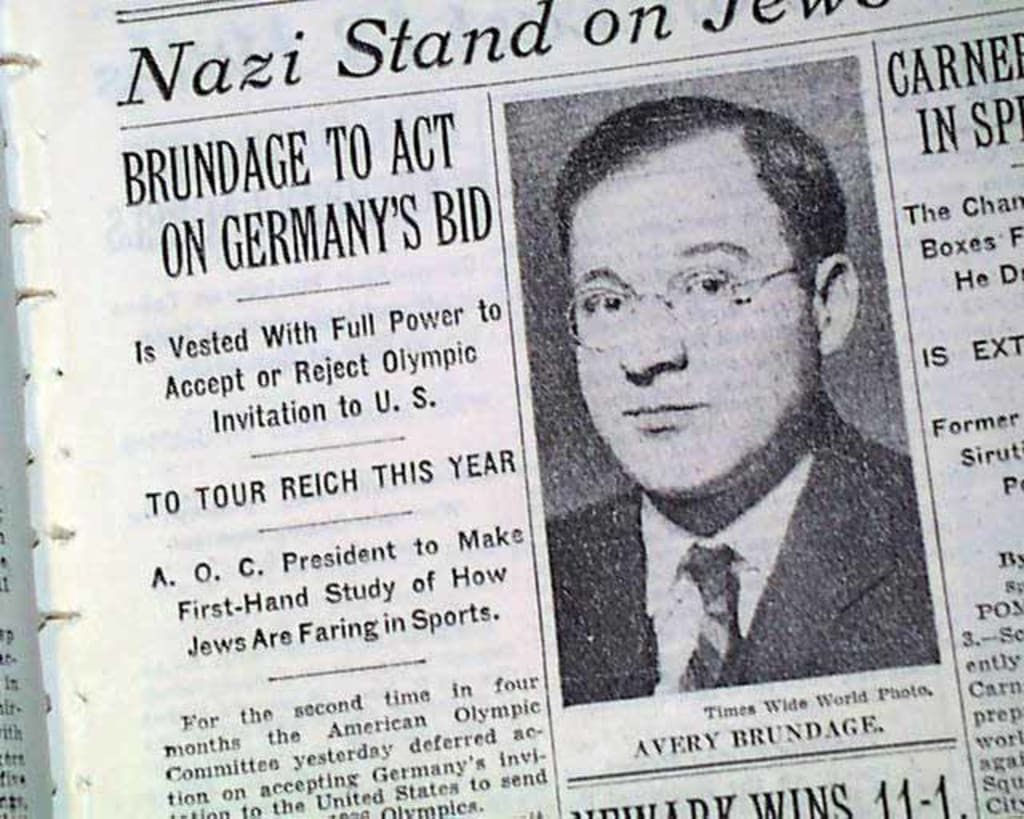
The 1936 Berlin Olympics, officially known as the Games of the XI Olympiad, remain one of the most controversial events in the history of the Olympic Games. Hosted by Nazi Germany, the event not only showcased athletic prowess but also became a propaganda tool for Adolf Hitler and the Nazi regime. The controversy surrounding the 1936 Berlin Olympics is multifaceted, encompassing issues of racial ideology, political manipulation, the treatment of athletes, and the international response to Nazi Germany’s increasing militarism and racism.
The Political Context of the 1936 Berlin Olympics
The decision to award the 1936 Olympics to Berlin was made in 1931, at a time when Adolf Hitler and the Nazi Party had not yet come to power. However, by the time the Games took place, Hitler had been Chancellor of Germany for three years, and the Nazi regime had consolidated power. Under Hitler’s leadership, Germany was transformed into a totalitarian state, and the Nazi ideology—built on ideas of racial purity, nationalism, and militarism—was fully in control.
Hitler saw the Olympics as a golden opportunity to showcase the supposed superiority of the Aryan race and to promote Nazi ideals to the world. He wanted to use the Games as a propaganda tool to enhance Germany’s image, demonstrate the strength of his regime, and promote the idea of Aryan racial superiority. The regime's emphasis on racial purity was a core element of the Games’ planning, and the spectacle was designed to present a carefully curated, idealized version of Germany to international audiences.
The Racial Ideology of the Nazi Regime
One of the most contentious aspects of the 1936 Berlin Olympics was the way in which the Nazi regime sought to use the event to promote its racist, anti-Semitic ideology. Nazi propaganda emphasized the concept of Aryan supremacy, and the Games were seen as an opportunity to demonstrate the physical prowess of the “superior” German race. Jewish athletes were banned from competing for Germany, and any form of visible Jewish representation in the Games was actively discouraged.
However, the Nazi regime's emphasis on racial purity was challenged by a number of athletes, most notably Jesse Owens, an African American sprinter from the United States. Owens’ stunning performance at the Berlin Games, where he won four gold medals, was a direct affront to Hitler’s racist beliefs. Owens’ victories were a powerful symbol of defiance against Nazi racial ideology, and his achievements were not lost on the international community, who saw in Owens’ success a repudiation of the idea of racial superiority. Despite Owens' triumph, Hitler's regime continued to assert its racist ideals, with Nazi propaganda working hard to downplay Owens' achievements.
The Treatment of Jewish Athletes
The treatment of Jewish athletes during the 1936 Olympics was another point of controversy. In Germany, Jewish athletes were marginalized, excluded from competitions, and denied the opportunity to represent their country. However, under international pressure and the eyes of the world upon them, the Nazis allowed a few Jewish athletes to compete, albeit in a restricted capacity. Despite this, the majority of Jewish athletes were kept out of the German team. The German Olympic Committee also faced intense criticism for its exclusionary policies and the way in which Jewish athletes were treated before and during the Games.
The International Response
The 1936 Berlin Olympics were also controversial due to the international response to the Nazi regime’s growing authoritarianism and militarism. In the years leading up to the Games, there was significant debate about whether countries should boycott the event. Many prominent figures, including American journalist William Shirer, and political leaders were concerned about the moral implications of participating in an event hosted by a regime that was openly persecuting Jews and other minorities.
The United States, in particular, faced internal debates about whether to boycott the Games. Prominent African American athletes, including Paul Robeson, called for a boycott in protest of the racial policies of Nazi Germany. However, many countries, including the United States, ultimately decided to send their athletes to the Games, hoping that the international spotlight would compel the Nazi regime to tone down its extremism. Some nations, including the Soviet Union, chose to abstain, though their reasons were also tied to their own political motivations.
The Legacy of the 1936 Berlin Olympics
In the years since the 1936 Berlin Olympics, the Games have become a symbol of the ways in which sport can be manipulated for political purposes. The controversy surrounding the event highlights the intersection of politics, race, and international diplomacy within the realm of sport.
Moreover, the Games’ legacy continues to influence the way the Olympic Games are viewed today. The 1936 Olympics marked a turning point in the relationship between sports and politics, setting the stage for future controversies, such as the 1980 Moscow Olympics and the 1936 Games’ subsequent place in Olympic history. The image of Owens standing on the podium, receiving his gold medals in front of Hitler, remains one of the most enduring and symbolic moments in the history of the Olympics, representing both the triumph of individual achievement and the defiance against oppressive regimes.
In conclusion, the 1936 Berlin Olympics stand as a reminder of the complex and often controversial ways in which sport can be entangled with politics and ideology. The Games, in all their complexity, continue to serve as a powerful reminder of the enduring intersection between sports, politics, and race.
About the Creator
Badhan Sen
Myself Badhan, I am a professional writer.I like to share some stories with my friends.
Keep reading
More stories from Badhan Sen and writers in Gamers and other communities.
THE SIGNIFICANCE OF THE 1980 WINTER OLYMPICS FOR FEMALE ATHLETES.
The 1980 Winter Olympics, held in Lake Placid, New York, marked a significant moment in the history of women’s participation in Olympic sports. While the event is often remembered for the U.S. ice hockey team’s victory over the Soviet Union and the boycotts of several countries, it was also a turning point for female athletes. The 1980 Winter Games were pivotal in advancing the inclusion of women in the Olympics, offering both new opportunities and spotlighting ongoing struggles for gender equality in the world of sports. Below are the key factors contributing to the significance of the 1980 Winter Olympics for female athletes.
By Badhan Senabout a year ago in Gamers




Comments
There are no comments for this story
Be the first to respond and start the conversation.