
The Complete Guide to Designing a online Board Game
From Idea to Tabletop


Designing a board game is an exciting and rewarding creative process, but it can also be challenging. Whether you’re a first-time creator or an experienced board game developer, understanding the key steps to bring your concept to life is crucial. This guide will walk you through the entire journey of how to make a board game, from initial ideas to a polished product ready for the tabletop.
Step 1: Conceptualize Your Idea
Every great board game starts with a spark of inspiration. To begin:
Define the theme: Choose a compelling theme or story that will engage players. Whether it’s a fantasy adventure, a historical setting, or a sci-fi epic, make it unique.
Identify your audience: Are you designing for families, strategy enthusiasts, or casual gamers? Tailor your game’s complexity and tone to suit your target audience.
Establish the goal: Determine what players need to achieve to win. This could be earning points, completing objectives, or being the last player standing.
Tip for board game developers: Brainstorm several ideas and refine the most promising one by discussing it with potential players.
Step 2: Design the Mechanics
Mechanics are the heart of any board game. Here’s how to create engaging gameplay:
Choose core mechanics: Decide if your game will include mechanics like deck-building, resource management, area control, or role-playing.
Keep it balanced: Ensure no strategy or player has an unfair advantage.
Add variety: Introduce randomness or decision-making opportunities to keep each playthrough fresh.
How to make a board game more engaging: Combine mechanics creatively. For example, mix card drafting with worker placement for a unique gameplay experience.
Step 3: Create a Prototype
A prototype is a rough version of your game that lets you test its mechanics and flow.
Use simple materials: Start with index cards, dice, and tokens to represent game components.
Write clear rules: Draft a concise rulebook to guide playtesters.
Test for functionality: Focus on how the game works rather than how it looks at this stage.
Pro Tip for board game developers: Keep track of all changes made during playtesting to refine your game efficiently.
Step 4: Playtest Extensively
Playtesting is the most critical phase of game development. Here’s how to do it right:
Test with diverse groups: Invite friends, family, and strangers to play your game and gather feedback.
Observe player behavior: Note where players struggle or lose interest.
Iterate and improve: Make adjustments based on feedback and test again.
Key insight: Playtest until gameplay feels intuitive and fun for everyone.
Step 5: Polish the Design
Once the mechanics are solid, it’s time to enhance the visual and tactile appeal of your game.
Invest in artwork: Hire professional illustrators or use graphic design tools to create eye-catching visuals.
Upgrade components: Replace placeholders with custom cards, tokens, or miniatures.
Finalize the rulebook: Ensure it’s clear, concise, and easy to follow.
Step 6: Produce and Publish
After perfecting your game, the next step is bringing it to market.
Manufacturing: Research manufacturers specializing in board games. Get quotes and choose one that aligns with your budget and quality expectations.
Crowdfunding: Platforms like Kickstarter and Indiegogo can help you fund production while building a fan base.
Distribution: Partner with distributors or sell directly through online marketplaces and conventions.
Pro Tip: Engage with the board game developer community to network and learn from others’ experiences.
Step 7: Market Your Game
Marketing is essential to ensure your game reaches the right audience.
Create a strong online presence: Use social media and a dedicated website to showcase your game.
Leverage video content: Make engaging how-to-play videos and trailers.
Attend conventions: Demo your game at gaming events to attract attention from players and publishers.
Conclusion
Designing a board game is a journey that combines creativity, strategy, and persistence. By following these steps, you’ll learn how to make a board game that is not only enjoyable but also market-ready. Whether you’re aiming for a small indie release or a big production, the key is to stay passionate and receptive to feedback. Good luck, and may your game find its way to countless tables around the world!
About the Creator
PixelPlayground
PixelPlayground creates 1,000+ unique games across mobile, PC, and web. From casual fun to strategy, we deliver unforgettable gaming experiences for players worldwide.
Keep reading
More stories from PixelPlayground and writers in Gamers and other communities.
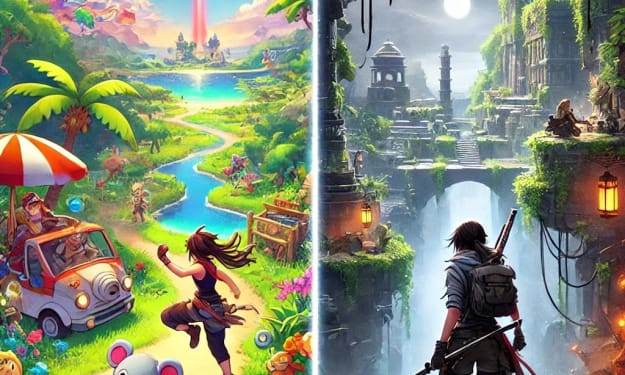
`Games Like Genshin Impact vs Games Like Tomb Raider Comparing Player Experience
In the world of gaming, players are spoiled for choice with a variety of genres, mechanics, and narratives to explore. Two popular types of games that have captured millions of players' attention are games like Genshin Impact and games like Tomb Raider. While both offer engaging experiences, they cater to different tastes and preferences. In this article, we’ll compare these two styles of games and break down the unique features that make them stand out.
By PixelPlaygroundabout a year ago in Gamers
Call of Duty Warzone Will Change How You Experience Battle Royale Forever
Few games have managed to dominate the battle royale genre and redefine modern multiplayer experiences like Call of Duty Warzone. Developed by Infinity Ward and Raven Software, and released on Xbox, Warzone brings intensity, precision, and unpredictability to a massive, fast-paced battlefield where every match tells its own story of survival and tactics.
By Lukáš Hrdlička5 days ago in Gamers
REEEEEEEEE!
I'm on a low road right now. There are a literal million things to do and not one of them worth my time. I would rather sit in place and burn but the orbit takes me on its inevitable route 'round the center; and I a center in my own right, around which others orbit, and so on and so forth, ad infinitum, ad nauseum.
By C. Rommial Butler5 days ago in Poets


Comments
There are no comments for this story
Be the first to respond and start the conversation.