
THE CHANGING ROLE OF NATIONAL ANTHEMS IN THE OLYMPIC CEREMONIES
Evolving Symbolism of National Anthems in Olympic Celebrations.

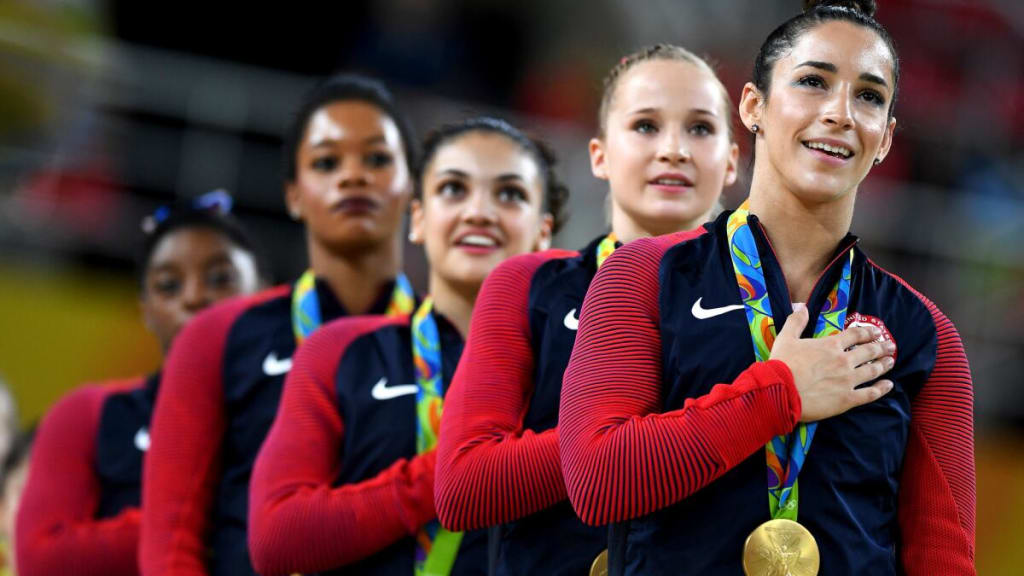
National anthems have long held a prominent place in Olympic ceremonies, symbolizing the unity of a nation and the pride of its athletes. From their role as a backdrop to medal presentations to their integration into opening and closing ceremonies, anthems have both upheld tradition and adapted to evolving social, political, and cultural contexts. Over time, their role in the Olympics has transformed, reflecting broader changes in the global landscape and the event’s focus on inclusivity and international cooperation.
(I)Historical Significance
The inclusion of national anthems in the Olympics dates back to the early 20th century. At the 1908 London Olympics, the British national anthem, "God Save the King," was played during the awards ceremony, setting a precedent for recognizing the achievements of victorious athletes through music. This practice became formalized over the years, with the playing of the gold medalist's national anthem evolving into a tradition that embodies a nation's pride and identity.
In the early years, anthems were also used to highlight the host nation's culture and significance. For instance, during the 1936 Berlin Olympics, the German anthem "Deutschlandlied" gained heightened attention due to its association with the political regime of the time. This set the stage for future Olympic Games where national anthems carried both celebratory and political weight.
(II)The Role in Medal Ceremonies
One of the most recognized uses of national anthems in the Olympics is during medal ceremonies. The anthem of the gold medalist’s country is played as the athlete stands on the podium, often with tears of joy and pride. This tradition emphasizes the personal and national achievement of the athlete, making the anthem an integral part of the emotional moment.
Over the decades, the symbolism of anthems during medal ceremonies has expanded. It is no longer solely about celebrating victory; it also serves as a unifying gesture, demonstrating respect for all participating nations. Athletes from around the world come together to honor each other's achievements, regardless of political or cultural differences.
(III)Political Implications
National anthems have also been a platform for political expression, with their role in the Olympics reflecting broader geopolitical trends. In the 1968 Mexico City Olympics, for instance, American athletes Tommie Smith and John Carlos famously raised their fists during the playing of "The Star-Spangled Banner" to protest racial inequality in the United States. This moment remains one of the most iconic demonstrations of the intersection between sports and politics.
In some instances, controversies surrounding national anthems have arisen due to political tensions between countries. Disputes over national identity, borders, or sovereignty have occasionally led to protests or calls to change the way anthems are represented in the Olympics. These incidents underscore the dual role of anthems as symbols of unity and potential sources of division.
(IV)Modern Adaptations
In recent years, the Olympics have increasingly emphasized inclusivity and global cooperation, which has influenced the role of national anthems. While they continue to be a vital part of medal ceremonies, there has been a growing focus on using music to represent collective humanity rather than individual nations.
For example, the 2020 Tokyo Olympics, held during the COVID-19 pandemic, featured a simplified and subdued opening ceremony with anthems and music that reflected a shared sense of global resilience. The Olympic Anthem, which represents the unity of the participating nations, has also gained prominence alongside national anthems.
Technology has also played a role in reshaping the experience of national anthems at the Olympics. Pre-recorded performances, innovative musical arrangements, and diverse interpretations of anthems have added a modern touch to these traditional pieces. This evolution ensures that the anthems remain relevant to younger audiences while respecting their historical significance.
(V)Challenges and Future Directions
Despite their enduring significance, the use of national anthems at the Olympics faces challenges in an increasingly interconnected world. Critics argue that the emphasis on national symbols can sometimes overshadow the spirit of global unity that the Olympics strive to promote. As the event becomes more inclusive, there is a call to balance national pride with the celebration of humanity as a whole.
One potential direction for the future is the inclusion of multilingual or collaborative renditions of anthems that reflect the multicultural makeup of many nations. Similarly, the integration of anthems with broader cultural performances, such as dances or visual displays, could enhance their appeal and connect them to the Olympic values of peace and solidarity.
In The End
The role of national anthems in the Olympic ceremonies has evolved from being a straightforward celebration of national pride to a complex expression of unity, identity, and politics. As the Olympics continue to adapt to the changing dynamics of the global community, national anthems will remain a cornerstone of the event, reminding audiences of the unique blend of competition and camaraderie that defines the Games. By honoring tradition while embracing inclusivity, the Olympics showcase the enduring power of music to bring people together on a global stage.
About the Creator
Badhan Sen
Myself Badhan, I am a professional writer.I like to share some stories with my friends.
Keep reading
More stories from Badhan Sen and writers in Gamers and other communities.
THE ROLE OF ATHLETES IN REPRESENTING THEIR NATIONS IN THE OPENING CEREMONIES
The opening ceremony of any major sporting event, such as the Olympic Games, the FIFA World Cup, or the Commonwealth Games, is a spectacular display of culture, unity, and sportsmanship. At the heart of these ceremonies are the athletes, who play a pivotal role in representing their nations. Their participation not only underscores their personal achievements but also symbolizes their country’s identity, aspirations, and values on a global stage. The role of athletes in the opening ceremonies transcends the sports they compete in, highlighting their significance as ambassadors of their nations.
By Badhan Senabout a year ago in Gamers
How Tight Should a Rash Guard Be? The Complete Fit & Comfort Guide
Rash guards are an essential piece of athletic apparel for combat sports, water sports, and high-intensity training. Whether you train in Brazilian Jiu-Jitsu, MMA, surfing, swimming, or functional fitness, the right rash guard fit can directly impact your comfort, performance, and skin protection. One of the most common questions athletes ask is about fit—specifically, how tight a rash guard should be.
By Sophie Blogs6 days ago in Gamers


Comments (1)
What a great music history lecture. Good work.