
The Best D&D Homebrew Races: From Vampires to Shadar-Kai
A Guide to the Most Popular D&D Homebrew Races and How to Use Them in Your Campaigns

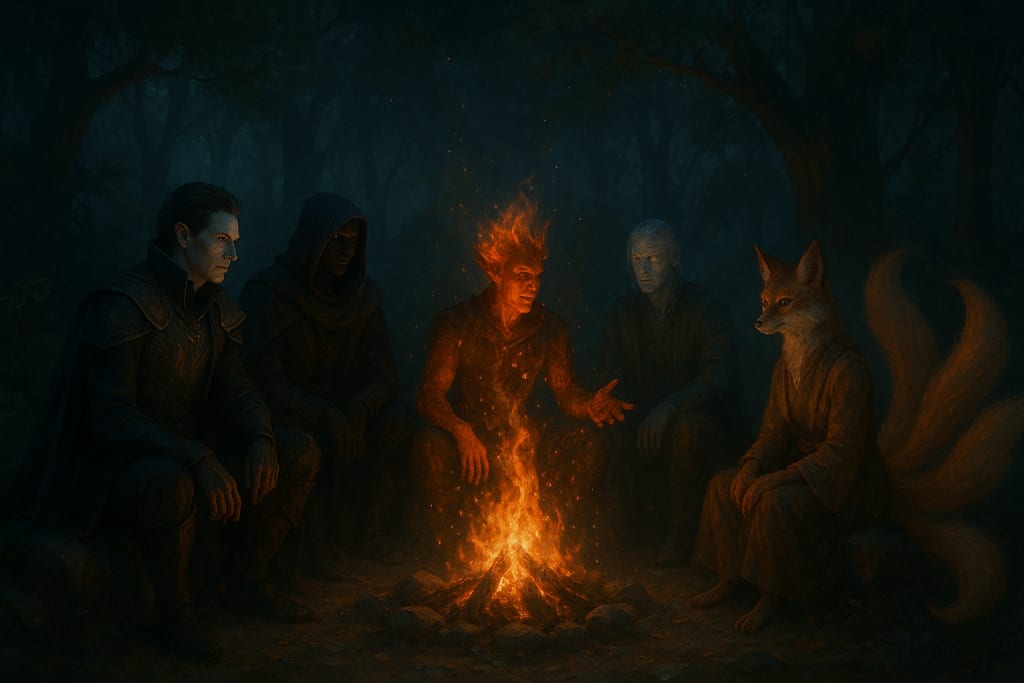
Homebrew content is the beating heart of many Dungeons & Dragons campaigns. While the official rules provide a vast foundation, Dungeon Masters and players often crave something more unusual, something that sparks new stories and challenges familiar tropes. That’s where homebrew races come in.
From the seductive danger of vampires to the shadow-touched resilience of the Shadar-Kai, these fan-created options bring variety, flavor, and narrative hooks you simply can’t find in the core books. But which ones stand out, and how can you weave them into your game without unbalancing the experience?
Let’s dive into the best D&D homebrew races that players and Dungeon Masters alike should consider.
Why Homebrew Races Add Depth to Your Campaign
Creating or using a homebrew race isn’t just about mechanics. It’s about storytelling potential. When a player chooses a homebrew race, they’re often looking for:
- Unique roleplaying opportunities that official races can’t provide.
- Cultural depth and lore that ties directly into the campaign world.
- Fresh mechanics that encourage creative playstyles.
- A sense of novelty that keeps long-time players invested.
By mixing these elements, homebrew races turn ordinary campaigns into unforgettable ones.
Popular Homebrew Races in D&D
While the possibilities are endless, a few homebrew races have become especially beloved across forums, community hubs, and at gaming tables.
1. Vampires
Few creatures carry as much allure in fantasy as vampires. In D&D homebrew, the vampire race usually balances the predatory nature of undeath with the challenge of surviving in a world that fears them.
Strengths: Enhanced speed, darkvision, charm abilities, and regenerative powers.
Weaknesses: Sunlight sensitivity, blood dependency, and difficulty blending into society.
A vampire character often walks the razor’s edge between predator and companion. The narrative tension alone makes them a compelling choice for roleplayers who enjoy morally gray characters.
2. Shadar-Kai
The Shadar-Kai, shadow-fey tied to the Raven Queen, blur the line between official lore and homebrew creativity. While Wizards of the Coast has introduced versions of them, homebrewed takes expand their culture, their curses, and their magical affinity with shadows.
Strengths: Resistance to necrotic damage, shadow-step abilities, and resilience against fear.
Weaknesses: Emotional detachment, lingering curses, and the pull of the Shadowfell.
Players who choose the Shadar-Kai are stepping into a role steeped in tragedy and darkness. Their story potential thrives in campaigns dealing with death, memory, and the afterlife.
3. Elementborn
Some homebrew races focus on elemental heritage, taking inspiration from genasi but expanding far beyond. Known as Elementborn in many circles, these beings embody raw forces of nature.
Strengths: Immunities or resistances tied to their element (fire, water, earth, air).
Weaknesses: Overreliance on their element, vulnerability to opposing forces.
The Elementborn are versatile, and they fit perfectly into high-fantasy worlds where elemental chaos shapes the landscape.
4. Revenants
Revenants bring the drama of unfinished business to the table. As souls given a second chance at life—sometimes by divine will, sometimes by sheer vengeance—they carry powerful motivations.
Strengths: Near-immortality, undead resilience, and relentless pursuit of goals.
Weaknesses: Difficulty adapting to normal life, risk of obsession, and social alienation.
These characters can reshape the direction of a campaign. A revenant adventurer forces the group to grapple with themes of death, redemption, and legacy.
5. Kitsune
Straight from Japanese folklore, the kitsune often appear in homebrew as fox-shapeshifters who weave illusion and charm.
Strengths: Shapechanging, trickster magic, and natural charisma.
Weaknesses: Fragile physical form, risk of hubris, and suspicion from mortals.
Kitsune bring mischief and mystery. They’re perfect for players who want to blend playful storytelling with subtle magical flair.
Balancing Homebrew Races
The greatest challenge with homebrew races isn’t creating them—it’s making sure they don’t overshadow the rest of the table. A vampire with unchecked regeneration or an Elementborn with too many resistances can quickly destabilize the game.
Here are a few tips for keeping things balanced:
- Compare with official content. If a race grants more power than the core options, scale it back.
- Limit weaknesses. A crippling drawback might seem like balance, but it often just frustrates players.
- Focus on roleplay, not power. Mechanical benefits should support storytelling, not dominate it.
- Playtest at different levels. A feature that feels fine at level 3 may become broken at level 10.
Bringing Homebrew Races into Your Campaign
As a Dungeon Master, introducing a new race means more than approving mechanics. It means weaving the race into your world so it feels organic. Ask yourself:
- Where does this race come from?
- How does the world view them?
- What cultures, cities, or factions do they influence?
- What myths or legends surround their existence?
By answering these questions, you avoid the “outsider problem,” where a race feels dropped into the game without any narrative weight.
Homebrew races add flavor and originality to Dungeons & Dragons. From the eternal hunger of vampires to the shadow-cursed existence of the Shadar-Kai, these races are more than mechanical tweaks—they are storytelling engines. They challenge players to think differently, roleplay boldly, and embrace the unknown.
If you’re looking to breathe new life into your campaign, don’t be afraid to explore the best homebrew races. Whether you’re drawn to darkness, mischief, or raw elemental power, the right choice can transform not just your character, but the entire story unfolding at the table.
About the Creator
Richard Bailey
I am currently working on expanding my writing topics and exploring different areas and topics of writing. I have a personal history with a very severe form of treatment-resistant major depressive disorder.
Keep reading
More stories from Richard Bailey and writers in Gamers and other communities.
The Ultimate Dungeon Master’s Guide to Creating Balanced D&D Homebrew Magic Items
Crafting homebrew magic items for Dungeons & Dragons is one of the most rewarding parts of being a Dungeon Master. A single enchanted sword, mysterious amulet, or cursed ring can change the tone of a campaign, shape a character’s journey, or even drive an entire storyline. But designing these items isn’t always simple. Too powerful, and your game becomes unbalanced. Too weak, and your players lose interest.
By Richard Bailey6 months ago in Gamers
Rsvsr Master Monopoly GO: Daily Strategies for Maximum Rewards
Monopoly GO takes the classic board game to a whole new level, combining strategy, chance, and real-time events with a wealth of rewards. Whether you’re a casual player or a competitive strategist, understanding daily events and planning your gameplay is essential to maximize progress and earn more dice, cash, and rare items.
By Billo Nali3 days ago in Gamers



Comments
There are no comments for this story
Be the first to respond and start the conversation.