
THE ACHIEVEMENT OF AI OERTER IN THE DISCUS THROW
Breaking Boundaries:Al Oerter's Olympic Discus Triumphs

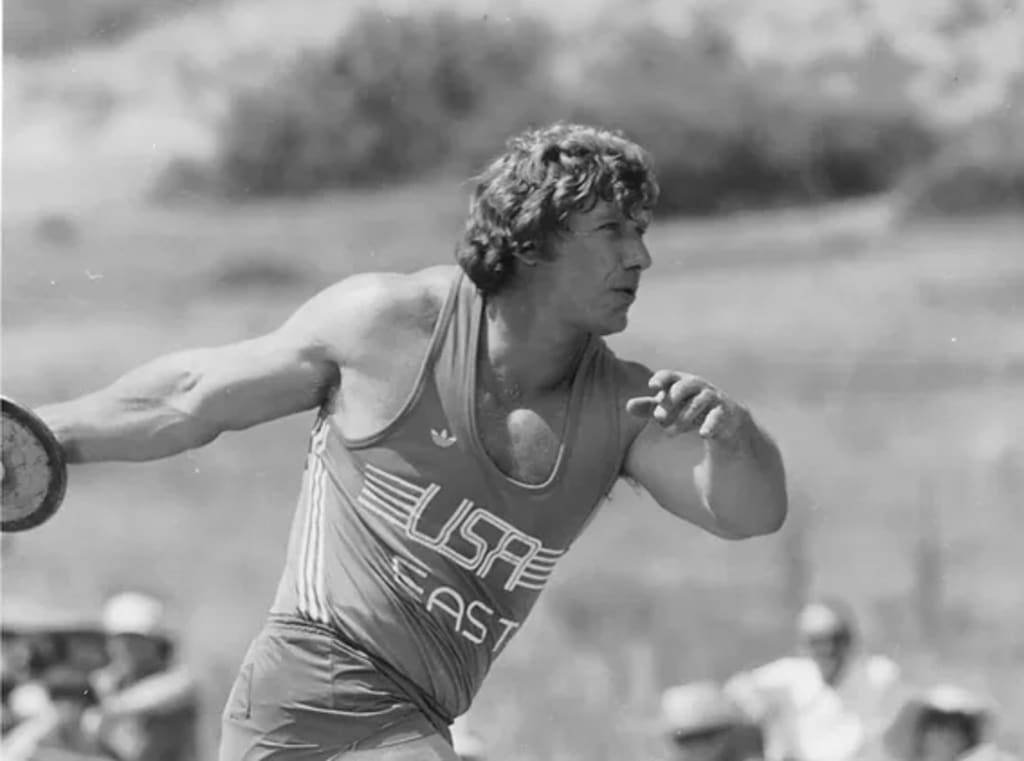
The Achievements of Al Oerter in the Discus Throw
Al Oerter is one of the most legendary figures in Olympic history, renowned for his remarkable achievements in the discus throw. His career is a testament to determination, resilience, and the spirit of competition. Over the course of his four Olympic appearances, Oerter not only secured his place among the greatest athletes of all time but also set an unprecedented standard for excellence in track and field.
Early Life and Beginnings
Born on September 19, 1936, in New York City, Alfred Oerter Jr. grew up with a passion for sports. He was introduced to track and field at an early age and quickly developed an interest in the discus throw. His early potential was evident as he competed in high school and collegiate events, quickly becoming a standout athlete. Oerter’s natural talent and hard work led him to compete in various national and international events, eventually making his mark on the Olympic stage.
The 1956 Melbourne Olympics
Oerter’s first Olympic appearance came in 1956, when he was just 20 years old. Competing in the Melbourne Olympics, he was relatively unknown to the global audience. Despite his youth and inexperience, Oerter surprised everyone by winning the gold medal in the discus throw. He set a new Olympic record with a throw of 56.36 meters, defeating several seasoned competitors. This victory not only marked the beginning of his legendary Olympic career but also positioned him as one of the top athletes in the world.
A Four-Time Olympic Champion
What made Oerter’s career truly extraordinary was his ability to maintain his dominance in the discus throw across four consecutive Olympic Games. After his victory in 1956, Oerter returned to the Olympics in 1960 in Rome, 1964 in Tokyo, and 1968 in Mexico City, where he won gold each time. This remarkable achievement made him the first athlete in history to win four Olympic gold medals in the same event, a feat that would not be matched for many years.
In the 1960 Rome Olympics, Oerter faced tougher competition, including world-class throwers from Europe, but still managed to defend his title. He won with a throw of 59.76 meters, continuing to build on his reputation as a dominant force in the sport.
The 1964 Tokyo Olympics were no less significant. Oerter was again the favorite, and once again, he lived up to the expectations. His victory in Tokyo, with a throw of 61.00 meters, added a third gold medal to his impressive collection. At this point, Oerter was already being considered one of the greatest athletes in Olympic history.
In 1968, Oerter made history again by winning his fourth Olympic gold medal in the discus throw at the Mexico City Olympics. At the age of 32, he was still in peak condition and managed to throw a remarkable 64.78 meters. His performance solidified his place as the undisputed champion of the discus, and he became a symbol of longevity and success in elite athletics.
The Legacy of Al Oerter
Al Oerter's legacy extends beyond his Olympic triumphs. He not only achieved greatness but also changed the way discus throwing was perceived and approached. He was a pioneer in the sport, known for his technical precision, mental toughness, and discipline. Oerter’s ability to consistently perform at the highest level over a span of 12 years is a testament to his extraordinary dedication and physical conditioning.
His four Olympic gold medals remain a benchmark for future generations of athletes. Oerter's achievements were not only a personal triumph but also an inspiration to countless aspiring athletes around the world. His success transcended the realm of track and field, inspiring perseverance and excellence in sports across the globe.
Furthermore, Oerter’s influence on the discus throw was profound. He refined the technique of the sport, particularly in the area of spin technique. His innovations helped to make the sport more accessible and technically advanced. His legacy continues to influence discus throwers to this day, as they study his technique and strive to emulate his success.
Beyond the Olympics
After retiring from competitive athletics, Oerter remained involved in the world of sports. He served as an ambassador for track and field, contributing to the development of the sport through coaching, mentoring, and speaking engagements. Oerter’s impact was felt not just in the United States but around the world as he shared his experiences and knowledge with others.
In 1980, Oerter was inducted into the U.S. Olympic Hall of Fame, a fitting tribute to his unparalleled Olympic career. His achievements continue to be celebrated today, and he is regarded as one of the greatest athletes in Olympic history. Oerter’s four Olympic gold medals in the discus throw stand as a testament to the power of determination, discipline, and the pursuit of excellence.
Conclusion
Al Oerter’s achievements in the discus throw are among the most remarkable in Olympic history. His four consecutive gold medals in the same event, spanning over a decade, remain a remarkable feat that showcases his talent, resilience, and dedication to his sport. Oerter's legacy continues to inspire athletes worldwide, and his impact on the sport of track and field is immeasurable. As a four-time Olympic champion, Oerter’s place in history is secure, and his accomplishments will be remembered for generations to come.
About the Creator
Badhan Sen
Myself Badhan, I am a professional writer.I like to share some stories with my friends.
Keep reading
More stories from Badhan Sen and writers in Gamers and other communities.
THE STORY OF JACKIE ROBINSON AND THE OLYMPICS
The Story of Jackie Robinson and the Olympics Jackie Robinson is celebrated as a pioneering figure in sports, breaking the color barrier in Major League Baseball in 1947. While he is best known for his achievements in baseball, his connection to the Olympics is often overlooked, as his athletic versatility paved the way for many African American athletes. This article delves into Jackie Robinson's athletic journey and how his legacy resonates with the values and spirit of the Olympic Games.
By Badhan Senabout a year ago in Gamers
Ultimate Palworld Surgery Table Guide: Maximize Your Pals with Implants
The days of endless breeding loops are finally evolving. With the introduction of the Surgery Table in the latest updates, Palworld has shifted from a pure numbers game of luck to a strategic lab where you can literally engineer your perfect team.
By Richard Bailey3 days ago in Gamers



Comments (2)
Hey, just wanna let you know that this is more suitable to be posted in the Unbalanced community 😊
I remember hearing about him in the Olympics I was able to watch for they compared those current athletes to him. Good work.