
Skydance’s BEHEMOTH PSVR2 vs PCVR: Which Offers the Better VR Experience?
A Detailed Comparison of BEHEMOTH on PSVR2 and PCVR – Graphics, Performance, Controls, and Immersion Explained

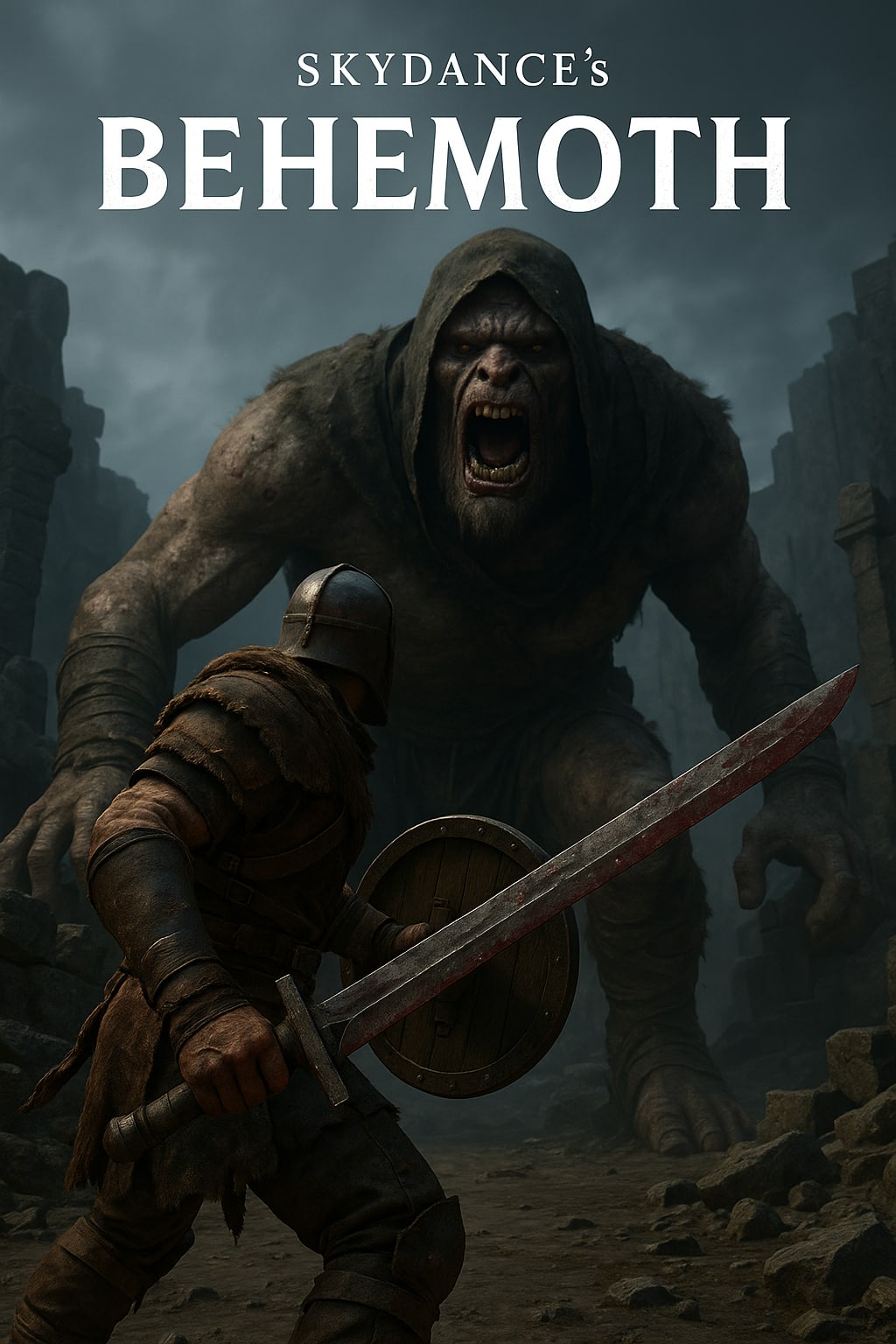
Skydance’s BEHEMOTH is shaping up to be one of the most anticipated virtual reality titles in recent years. Set in a dark, brutal world brimming with grotesque giants and high-stakes combat, BEHEMOTH combines cinematic storytelling with visceral, physics-driven gameplay.
But as the release nears, many VR enthusiasts are asking the inevitable question: Should you play BEHEMOTH on PSVR2 or PCVR?
The answer isn’t as straightforward as it might seem. While both platforms promise immersive experiences, the core of that immersion, graphics fidelity, motion tracking, controller feedback, and comfort, can differ significantly.
This guide will compare the two versions in-depth, exploring where each excels and where compromises are made.
Visual Fidelity: Eye Candy or Efficient Optimization?
On a technical level, PCVR holds the graphical edge. Assuming your rig can handle it, the visual performance of BEHEMOTH on a high-end PC with a top-tier headset like the Valve Index, HP Reverb G2, or the Meta Quest 3 (when tethered) can be breathtaking.
Expect sharper textures, higher frame rates, and more detailed environments, especially if Skydance supports native supersampling or DLSS/FSR upscaling.
But that’s not to say PSVR2 is lacking. In fact, the OLED HDR display of the PSVR2 can deliver richer contrast and deeper blacks than many LCD-based PC headsets.
When BEHEMOTH plunges players into dimly-lit ruins or pits them against hulking, shadowy foes, the PSVR2’s visuals can feel more cinematic, even if they’re technically a bit softer in resolution.
So what does that mean in practice? If raw graphical fidelity matters most to you and you have the hardware to back it up, PCVR wins. But if you value rich contrast and a polished, console-optimized experience, PSVR2 puts up a very strong fight.
Controls and Haptics: Precision vs Presence
When it comes to control, there’s a philosophical divide between the platforms. PCVR offers flexibility. From the precise finger tracking of Valve’s Index controllers to the wide array of custom bindings possible via SteamVR or OpenXR, PCVR gives players freedom. For hardcore VR users, this can be a godsend.
However, PSVR2 arguably has the best “feel” in its default form. The Sense controllers don’t just track your movements; they immerse you in them. Adaptive triggers offer resistance when drawing a bow or slamming an axe.
Haptic feedback pulses through the grip, making combat feel heavier, bloodier, and more real. Even the headset itself vibrates in response to certain in-game events, an extra sensory layer that PCVR, in its fragmented ecosystem, often lacks.
Skydance is known for prioritizing tactility in its combat systems, as seen in The Walking Dead: Saints & Sinners. That same philosophy is dialed up to eleven in BEHEMOTH.
On PSVR2, it’s not just your hands doing the killing. Your whole body reacts to the weight of your blade, the tremor of the ground, and the impact of a colossal strike.
In this area, PSVR2 delivers a more cohesive, plug-and-play immersive experience, while PCVR offers the precision and customization power users crave.
Performance Stability: Locked Frames vs Tweaking Sliders
There’s something undeniably satisfying about plugging in a PSVR2 headset, booting up a game, and diving straight into the action. No driver updates, no performance tweaking, no endless graphics settings menus.
The PS5 handles the optimization, and for BEHEMOTH, that could mean a more stable and predictable performance baseline. Developers can tune the game for one specific hardware configuration, extracting every ounce of efficiency from Sony’s console.
Contrast that with PCVR, where performance is variable. Your experience hinges on your system’s CPU, GPU, cooling setup, and even background processes.
Yes, you can push higher frame rates and resolutions, but you’ll also spend more time balancing visual fidelity against frame consistency.
For gamers who want to just play, PSVR2 is more accessible. For those who don’t mind tinkering for the absolute best experience, PCVR offers more headroom, if you’re willing to earn it.
Tracking and Movement: Roomscale Realism vs Console Constraints
Here’s where things get tricky. PSVR2 has a competent inside-out tracking system, using cameras on the headset itself to monitor your environment.
It’s accurate and reliable, but it's still limited to what those cameras can see. In tight spaces, or if your hands wander outside the field of view, tracking can momentarily fail.
Meanwhile, PCVR, especially with setups like the Valve Index and external base stations, can deliver more accurate and expansive roomscale tracking.
For a game like BEHEMOTH, which demands wide swings, spatial movement, and dynamic positioning, this can make a difference. You’re less likely to lose tracking mid-fight when dodging a giant’s attack or swinging your weapon in a wide arc.
However, that setup requires space, effort, and in many cases, wall-mounted sensors. Not everyone wants to dedicate a room to VR, and PSVR2’s inside-out approach is far more convenient.
Audio: Spatial Sound Showdown
Audio immersion can make or break a VR experience. PSVR2 features 3D Tempest AudioTech, which delivers spatial audio designed to respond to your head position. It’s built directly into the system and works well with most decent headphones.
On PCVR, you control your audio stack. Want to pair a DAC with audiophile-grade cans? You can. Prefer open-back headphones for better ambient awareness? Go for it. With support for technologies like Dolby Atmos or Windows Sonic, PCVR can scale dramatically depending on your setup.
For most players, audio quality is a wash; both platforms are capable of delivering excellent 3D soundscapes in BEHEMOTH. But for true audiophiles, PCVR might be the better choice simply because of its flexibility.
Price and Value: Dollars vs Experience
PSVR2 is the more economical option, particularly when bundled with a PS5. There’s no need for a $2,000 PC, no external trackers, no cables sprawling across the room. For around $1,000 total, you can be playing BEHEMOTH at a high-quality level that would cost far more to match on PC.
That said, value isn’t just about dollars; it’s about what you prioritize. If you already own a powerful gaming PC and high-end VR headset, there’s little reason to switch.
If you’re starting from scratch or want simplicity with strong immersion, PSVR2 is a more budget-friendly gateway to epic experiences.
Final Verdict: PSVR2 or PCVR for BEHEMOTH?
The truth is, both platforms offer a spectacular way to experience Skydance’s BEHEMOTH. The choice comes down to your priorities:
- Choose PSVR2 if you value immersive haptics, plug-and-play simplicity, cinematic visuals, and a more curated, console-quality experience.
- Choose PCVR if you demand the highest graphical fidelity, superior tracking accuracy, customizable controls, and are willing to fine-tune for perfection.
There’s no clear “winner,” but there is a best choice for you. Whether you fight towering behemoths with adaptive triggers or swing your virtual blade with finger-tracked precision, the terror and triumph of BEHEMOTH will hit hard, regardless of platform.
Skydance’s BEHEMOTH isn’t just another VR game. It’s a milestone in immersive storytelling and combat design. Whether you’re on the cutting edge of PCVR or embracing the powerful simplicity of PSVR2, you’re in for an unforgettable ride.
And in the end, that’s what matters most: not which platform you choose, but that you’re ready to step into the fight.
About the Creator
Richard Bailey
I am currently working on expanding my writing topics and exploring different areas and topics of writing. I have a personal history with a very severe form of treatment-resistant major depressive disorder.
Keep reading
More stories from Richard Bailey and writers in Gamers and other communities.
The Honed Ashlar, Part 1 of 5
Part 1: The Scaffolding of Ruin The bus ride into the city had felt like being swallowed by a cold, metallic throat. Silas leaned his forehead against the vibrating window of the Greyhound, watching the California coastline transform from a dream of salt and gold into a nightmare of concrete ribs. To everyone else on the bus, the skyline of Tinseltown was a promise—a soaring monument to ambition. To Silas, it was a Structural Failure.
By Nathan McAllisterabout 18 hours ago in Gamers


Comments
There are no comments for this story
Be the first to respond and start the conversation.