
Rush Royale Seasons and Battle Pass Rewards: Complete Guide for 2025
Everything You Need to Know About Rush Royale Seasons, Rewards, and Battle Pass Progression

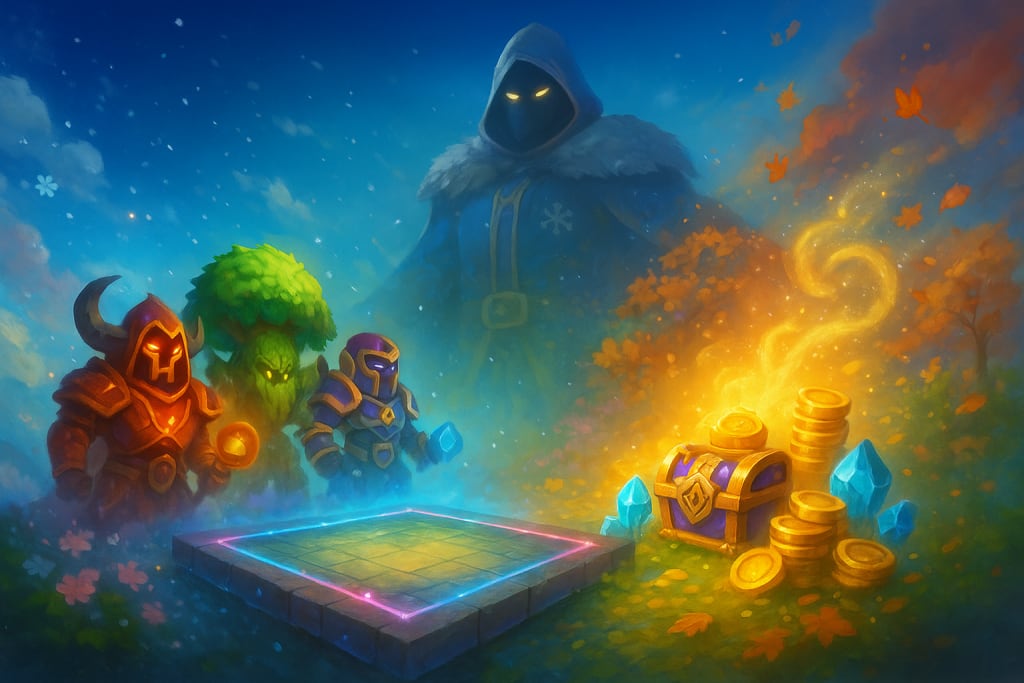
Rush Royale blends tower defense and strategy into a highly competitive mobile experience, but one of the main systems that keeps players hooked is the season and battle pass progression model. Each season adds urgency to the game, offering limited-time rewards and incentives to log in daily. For new players, this system can feel overwhelming, while experienced competitors often wonder if the premium pass is worth the cost.
This expanded guide explores the structure of seasons, the mechanics behind the battle pass, the variety of rewards available, and the strategies you need to maximize value every cycle.
Understanding Rush Royale Seasons
A season is essentially a timed event where players push through ranks and collect prizes before the reset. Seasons are usually 30–40 days long, but developers occasionally extend or shorten them depending on balance changes, new content, or special anniversary events.
The most important part of a season is the reset mechanic. At the end of each cycle:
- Players drop down from their current rank. For example, someone at 6,000 trophies may reset to 4,500.
- Rewards for rank placement are distributed, often including crystals and hero progression resources.
- A fresh battle pass launches, tied to the season’s theme.
This design prevents long-term stagnation. Even high-ranking veterans must start fresh, ensuring that competition is renewed each cycle.
Season Themes and Seasonal Identity
Each season in Rush Royale often carries its own identity. Developers introduce visual skins, cosmetic effects, and reward tracks themed around fantasy motifs, holidays, or special events. For example:
- A winter season may feature frosty unit skins or snowy battlefield effects.
- A Halloween-themed season could introduce pumpkin-inspired emotes and hero costumes.
- Anniversary seasons tend to bring extra generosity, with bonus crystals or free legendary chests.
This thematic approach keeps players engaged not just mechanically, but also aesthetically. Collectors often chase exclusive items, knowing that once a season ends, those cosmetics rarely return.
The Battle Pass System Explained
The battle pass sits at the heart of every Rush Royale season. It’s structured in two tracks:
- Free Battle Pass – Accessible to all players. Includes a steady supply of gold, common cards, a handful of crystals, and sometimes lower-tier chests. Progression is slower, and the rewards plateau quickly.
- Premium Battle Pass – Purchased with real money or in-game crystals. This unlocks significantly better rewards, often doubling what’s offered in the free track. Legendary cards, premium skins, exclusive emotes, and powerful upgrade materials all appear here.
Progression through the pass comes from season points. These points are earned by completing tasks, participating in battles, and finishing events. Every tier requires a set amount of points, and unlocking the premium pass ensures you receive both tracks’ rewards simultaneously.
Types of Rewards You Can Expect
While the exact rewards vary from season to season, certain items consistently appear across tiers. Here’s what you can expect in detail:
- Gold – The backbone of progression. Used for upgrading units and heroes. Higher pass tiers often give large lump sums.
- Crystals – Premium currency for rerolling events, buying premium chests, or unlocking cosmetics. Rare in the free pass but abundant in the premium.
- Magic Dust – A critical crafting material. It lets you directly target legendary cards rather than relying on luck.
- Unit Cards – Common, rare, and epic cards needed for leveling. Legendary units sometimes appear as guaranteed rewards on the premium track.
- Chests – Progressively stronger chests, ranging from rare and epic up to guaranteed legendary pulls.
- Exclusive Cosmetics – Hero skins, banners, emotes, and battlefield visual effects unique to each season.
- Hero Progression Materials – Tokens or items that make your chosen hero more effective in battle.
The sheer diversity of rewards ensures that both free-to-play and paying players see value, though the premium pass always delivers the highest return on investment.
Why Competitive Players Buy the Premium Pass
For casual players, the free pass is serviceable, but competitive players almost always purchase the premium pass. Here’s why:
- Accelerated Progression: Unlocking more gold and crystals means faster upgrades, which directly impacts win rates.
- Exclusive Units and Skins: Some legendaries or cosmetics appear only in premium tracks. Missing a season can mean missing them permanently.
- Return on Investment: Buying crystals directly from the shop often costs more than purchasing the battle pass. The pass bundles far greater value.
- Season Efficiency: Premium owners can progress more efficiently since they benefit from rewards on both free and premium paths.
The premium battle pass is not strictly required to enjoy the game, but for players pushing high ranks or engaging in Clan Wars, it becomes a near-essential purchase.
Tips to Maximize Season Rewards
If you want to make the most of each season, you’ll need a smart approach:
- Log In Daily – Even short play sessions stack up. Missing days slows progress dramatically.
- Prioritize Quests – Daily and weekly quests often award the most points relative to effort.
- Capitalize on Events – Seasonal events align with pass objectives. Completing both doubles your efficiency.
- Play Across Modes – Don’t limit yourself to PvP. Co-Op matches contribute points and can be less stressful.
- Purchase Early – If you’re buying premium, do so at the start of the season. This ensures you collect every reward.
- Save Crystals Strategically – Instead of spending crystals on random chests, funnel them into buying the premium pass each season.
By combining consistent play with careful spending, even free-to-play users can maximize rewards over time.
What Happens at Season’s End?
When a season concludes, several things happen:
- Trophy Reset: High-ranking players are pushed back, balancing competition.
- Unclaimed Rewards: If you haven’t claimed all your rewards, they are typically sent automatically, but some bonuses require manual claiming.
- New Season Launch: The next battle pass begins immediately, keeping momentum steady.
This cycle means there’s always something to look forward to. Unlike games with static progression, Rush Royale thrives on this loop of competition and renewal.
Future Outlook for Seasons
Looking ahead, IT Territory has been experimenting with expanding the season system. Players have already seen:
- Tiered Premium Options (standard vs. extended premium passes).
- Special Event Seasons during holidays with bonus quests.
- Clan Integration, where rewards tie into clan performance, encouraging cooperative play.
Expect more integrations between seasonal content and live events, as developers use seasons to introduce experimental mechanics and test new reward structures. Staying updated via the official Rush Royale news page or the in-game announcements is crucial if you want to stay ahead.
Seasons and battle passes aren’t just side content in Rush Royale—they are the core progression framework. They dictate how quickly you can upgrade units, unlock heroes, and secure legendary cards. Free players can still progress steadily, but the premium pass accelerates growth dramatically, making it the most efficient way to climb ranks.
If you’re aiming to compete at higher trophy counts or participate seriously in Clan Wars, investing in the premium pass early each season is almost mandatory. But regardless of your approach, understanding the seasonal cycle ensures you get the most value out of your time. Play consistently, plan your upgrades, and the rewards will stack up across every season.
About the Creator
Richard Bailey
I am currently working on expanding my writing topics and exploring different areas and topics of writing. I have a personal history with a very severe form of treatment-resistant major depressive disorder.
Keep reading
More stories from Richard Bailey and writers in Gamers and other communities.
Lazy Dungeon Master Secrets: How to Run a D&D Game with Minimal Prep
Running a Dungeons & Dragons campaign is one of the most rewarding creative experiences you can have, but it’s also one of the most time-consuming. Many Dungeon Masters spend hours preparing maps, stat blocks, lore, and dialogue, only to watch their players ignore it all in favor of chasing a minor NPC or heading in the “wrong” direction. That cycle leads to frustration and burnout.
By Richard Bailey5 months ago in Gamers
Knights of the Old Republic II
A long time ago, on a writing platform far, far away, I wrote a review for Knights of the Old Republic. It was part of my Star Wars content for May 2024. My final verdict on that one was that it was great fun. It wasn't perfect, but I had a great time playing it. Now, it's time to look at the sequel - yes, there's a sequel.
By Greg Seebregts3 days ago in Gamers
The Forsyth House Fire
Since 1851, Forsyth House has stood on the corner of Union Street and Gordon Street in the heart of Glasgow. Its iconic, or was... because on Sunday 8th of March, 2026, a fire broke out in a small, seemingly un-named shop in the building and tore all that history down. As I write, the rubble is still unsettled and the street is still blocked off. Central Station is quiet on the upper level, and around 30 small businesses have quite literally gone up in smoke.
By S. A. Crawforda day ago in The Swamp



Comments
There are no comments for this story
Be the first to respond and start the conversation.