
Real-World Geography Hacks for Building Believable D&D Worlds
Practical Map-Making Tips Inspired by Real-World Landscapes to Bring Your D&D Campaign to Life

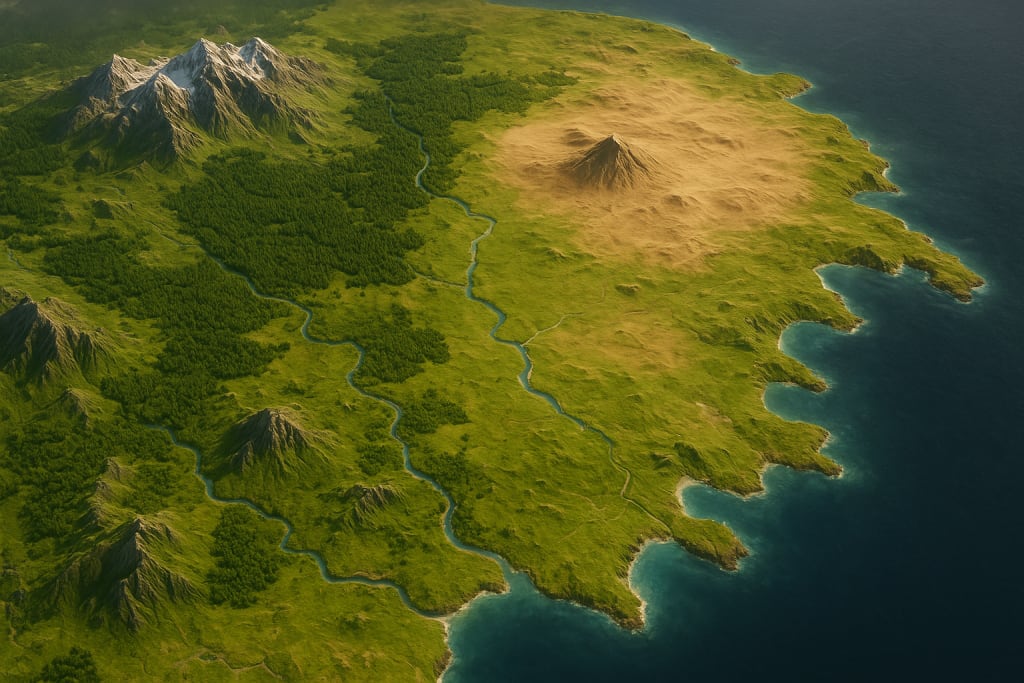
When crafting a fantasy setting, it’s easy to get caught up in dragons, magic, and ancient ruins. But even the most fantastical realms benefit from a grounding in reality.
Geography—real, physical geography—can be your secret weapon for making a Dungeons & Dragons world feel alive. Terrain shapes civilizations, resources drive conflict, and climate influences culture. If you want players to believe in your world, even when they’re staring down a lich, start with the land beneath their feet.
Below, we’ll explore practical, real-world geography hacks that will transform your campaign map into a living, breathing world.
1. Start with Plate Tectonics (Even if It’s Just in Your Head)
You don’t have to be a geologist, but knowing the basics of plate tectonics can explain why your mountains, oceans, and continents look the way they do. In the real world, mountain ranges like the Himalayas exist because massive plates collided.
The Pacific’s volcanic “Ring of Fire” exists because of subduction zones. In your D&D world, these same forces—whether natural or magical—can make landscapes feel logical.
Hack: Place mountain ranges where tectonic plates might meet. Long, jagged ranges are more believable when they follow a clear line rather than being dropped in at random. On the flip side, an isolated volcanic peak in the middle of a plain can imply ancient magical upheaval or an extinct hotspot volcano.
2. Let Rivers Tell the Story
Rivers aren’t random blue squiggles on a map—they follow the path of least resistance, flowing downhill from mountains to larger bodies of water. Civilizations historically flourished along rivers because they provide water, food, and transport.
Hack: Draw your mountains first. Then, let rivers flow naturally downhill, connecting lakes and winding toward the sea. Avoid having two major rivers merge and then split again without a reason—it’s rare in nature and can look unnatural. If you break this rule, make sure there’s a story: maybe ancient magic altered the river’s course, or a dwarven dam redirected its flow.
3. Think About Rain Shadows and Climate Zones
Geography dictates weather patterns. When moist ocean air hits a mountain range, it rises, cools, and drops rain on the windward side. The leeward side often becomes dry and desert-like—a phenomenon called a rain shadow.
Hack: If you want a desert next to a lush forest, put a mountain range between them. Suddenly, your map tells a believable climate story. Players crossing from one biome to another will feel the change in humidity, vegetation, and temperature.
4. Coastlines Should Have a Purpose
A good coastline isn’t just a jagged border between land and sea—it’s a storytelling opportunity. Gentle curves and bays suggest safe harbors where trade cities could thrive. Harsh, cliff-lined shores might explain why a region stayed isolated for centuries.
Hack: Look at real-world maps for inspiration. Norway’s fjords, Italy’s boot-shaped peninsula, or the gentle arc of the Gulf of Mexico all show how coastlines can suggest history, trade routes, and culture. If your coastline looks like it was drawn in a rush, players will feel it, even if they can’t explain why.
5. Use Geography to Shape Politics
Borders are rarely straight lines. They follow natural boundaries—rivers, mountains, forests—or result from centuries of conflict and treaties. A mountain range can form a defensive wall between nations. A shared river might lead to alliances or wars over control.
Hack: When placing kingdoms, let the land dictate the borders. Two countries separated by a dangerous swamp will probably have little interaction. A fertile valley between them, however, could be a contested hotspot, its soil rich but its politics volatile.
6. Don’t Forget About Scale
Many fantasy maps cram too much into too little space. If your party can walk from tundra to rainforest in two days, immersion breaks. Realistically, even with magic, ecosystems take time to change.
Hack: Use a real-world reference. If your continent is the size of Western Europe, study travel distances and climate transitions there. Keep in mind that deserts, mountains, and oceans create natural travel barriers—great tools for pacing your campaign.
7. Natural Resources Drive Conflict
Mountains hold ores. Forests provide timber. Rivers supply fertile farmland. In the real world, wars have been fought over salt, water, and fertile soil. Your D&D world should be no different.
Hack: Decide what each region has—and what it lacks. A kingdom rich in iron but poor in farmland will need to trade or conquer. This opens the door for political intrigue, smuggling, and economic warfare that feel grounded and logical.
8. Think About How People Adapt to the Land
Culture doesn’t develop in a vacuum. Harsh winters create hardy, self-reliant societies. Island nations become skilled sailors. Desert civilizations invent clever irrigation systems. Your world’s people should reflect the land they live in.
Hack: Choose a landmark or natural feature that defines each culture. A city built around a hot spring might have elaborate bathhouses and steam-powered forges. A settlement deep in the rainforest could be constructed high in the canopy to avoid predators.
9. Use Extreme Environments for Story Hooks
Not every part of your map needs to be comfortable for habitation. Harsh tundras, volcanic wastelands, and endless swamps make excellent adventure zones.
Hack: Treat extreme environments as living challenges. Blizzards, shifting sand dunes, or toxic marsh gases can be as dangerous as monsters. The land itself becomes an antagonist, forcing creative problem-solving from your players.
10. Blend Realism with Fantasy
Real-world geography gives you a strong foundation, but this is still Dungeons & Dragons. Magic, gods, and ancient cataclysms can bend or break the rules—just make sure they leave visible, logical scars on the land.
Hack: If you have a floating mountain range, ask why it’s floating. Did a god rip it from the earth in anger? Does it cast a permanent shadow, creating a frozen wasteland below? A fantastical feature feels richer when it has a cause and an effect.
Bringing It All Together
Believable worlds aren’t just about names on a map—they’re about the silent logic of terrain, climate, and resources that shape history. By borrowing from real-world geography, you create a framework that makes your world feel as solid as stone, even when magic bends reality. Players may never know you based your mountain range on the Rockies or your desert on the Gobi, but they’ll feel the difference.
When in doubt, remember this: the land came first, then the people, then the politics. Build your world in that order, and it will hold together under the weight of a thousand adventures.
About the Creator
Richard Bailey
I am currently working on expanding my writing topics and exploring different areas and topics of writing. I have a personal history with a very severe form of treatment-resistant major depressive disorder.
Keep reading
More stories from Richard Bailey and writers in Gamers and other communities.
Knights of the Old Republic II
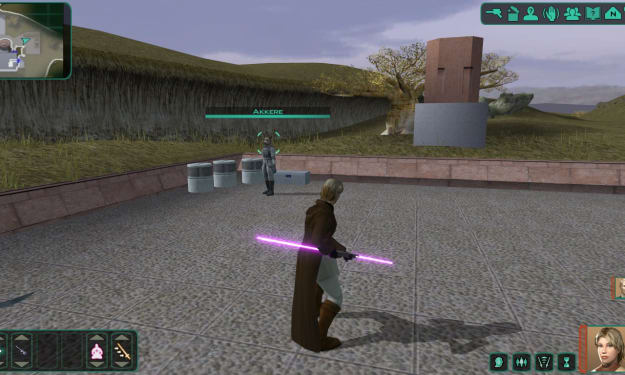
A long time ago, on a writing platform far, far away, I wrote a review for Knights of the Old Republic. It was part of my Star Wars content for May 2024. My final verdict on that one was that it was great fun. It wasn't perfect, but I had a great time playing it. Now, it's time to look at the sequel - yes, there's a sequel.
By Greg Seebregts2 days ago in Gamers


Comments
There are no comments for this story
Be the first to respond and start the conversation.