
Precision on the Peaks: The Science of Skiing Performance
Learn how physics, physiology, and training principles work together to improve skiing performance, balance, and speed on the slopes.

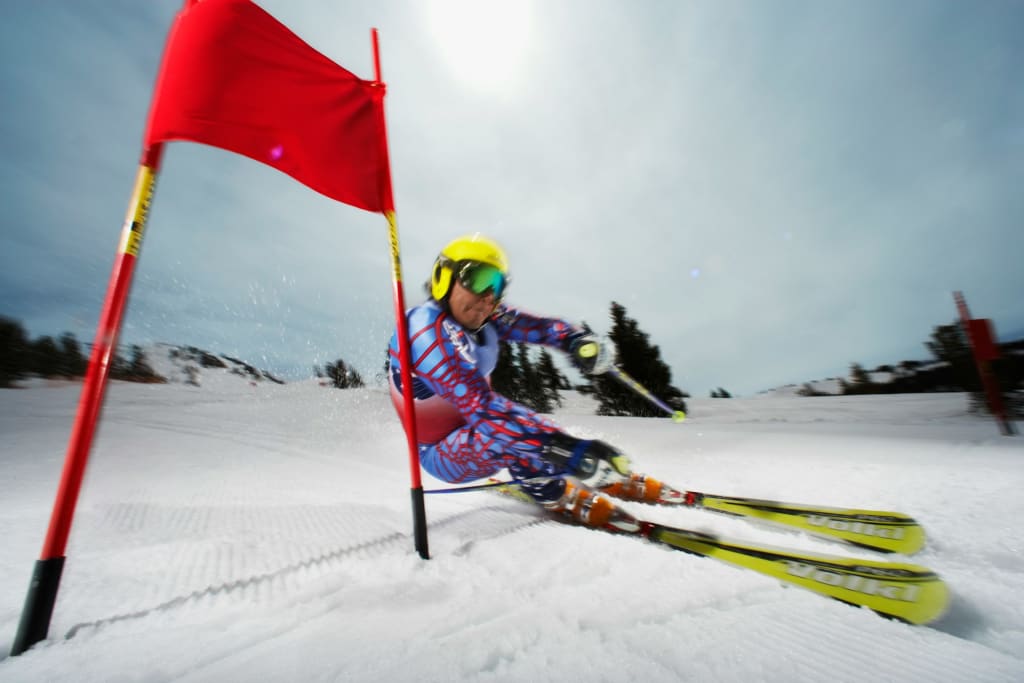
Skiing is both an art and a science—an athletic pursuit that combines physical skill, mental control, and environmental awareness. Beneath its thrilling surface lies a complex interaction of physics, biomechanics, and psychology that determines how efficiently a skier can move across snow. Understanding these principles not only enhances skiing performance but also ensures safety and consistency in varying conditions.
This article provides an in-depth, informative look at the scientific and technical aspects of skiing, explaining how body mechanics, energy systems, and mental focus all contribute to mastery on the mountain.
1. The Physics of Motion: Understanding Skiing Mechanics
Skiing is governed by the fundamental laws of physics. The movement of a skier down a slope involves forces such as gravity, friction, air resistance, and centripetal motion. The key to improving skiing performance lies in managing these forces efficiently.
Gravity is the skier’s primary source of acceleration. The steeper the slope, the greater the gravitational pull, which increases speed. However, speed must be controlled through friction—generated by the skis’ edges cutting into the snow. This balance between gravitational acceleration and controlled resistance determines how fluidly a skier descends.
Frictional forces are categorized into three types:
- Static friction, which helps a skier remain stationary before movement begins.
- Kinetic friction, which occurs once motion starts.
- Air resistance, which slows movement as velocity increases.
Skiers adjust their body position to manage these forces. A tucked posture, commonly seen in racing, minimizes air resistance and maximizes speed. Conversely, widening the stance or angling the skis increases friction, improving control during turns or stops.
Edging and carving are essential techniques for navigating turns. When the skier tilts their skis, the curved edge creates a centripetal force that allows them to turn smoothly rather than skid. The sharper the edge and the greater the lean angle, the tighter the turn. Understanding the geometry of skis—their sidecut radius and flexibility—helps athletes choose the right equipment for different snow conditions and disciplines.
Even snow temperature influences skiing performance. Warmer snow reduces friction due to a thin layer of meltwater between the ski and the surface, while colder, drier snow increases resistance. Skiers often adjust wax formulations to optimize glide based on these temperature changes.
By applying physics principles strategically, skiers can maximize speed, maintain balance, and ensure consistent performance on various terrains.
2. Physiology: The Body’s Role in Skiing Performance
Skiing is a full-body sport that demands strength, endurance, flexibility, and coordination. The physiological foundation of skiing performance lies in how efficiently the body can generate power, sustain effort, and recover from repeated physical stress.
Muscular strength is critical, particularly in the lower body. The quadriceps, hamstrings, glutes, and calves are responsible for absorbing impact, stabilizing the knees, and controlling direction. Core muscles—including the abdominals and obliques—maintain posture and balance, especially during high-speed turns or uneven terrain.
Because skiing requires both dynamic and static muscle engagement, athletes develop two kinds of endurance:
- Aerobic endurance, for maintaining energy during long runs or training sessions.
- Anaerobic endurance, for short bursts of power during sprints, jumps, or aggressive carving.
A well-conditioned cardiovascular system supports both. By improving oxygen delivery and blood circulation, endurance training helps delay fatigue and enhances reaction time.
Flexibility is equally important. Skiing involves continuous joint flexion and extension, particularly in the hips, knees, and ankles. Regular stretching, yoga, and mobility training reduce stiffness, prevent muscle strains, and promote smoother motion.
Altitude presents additional physiological challenges. Skiing at higher elevations exposes the body to thinner air and lower oxygen levels. To adapt, the body increases breathing rate and red blood cell production. Experienced skiers often train at altitude to boost oxygen efficiency and endurance for future sessions.
Recovery plays an essential part in maintaining performance. Post-ski routines that include stretching, proper hydration, and nutrition accelerate muscle repair and reduce soreness. A balanced diet—rich in complex carbohydrates for energy, lean proteins for repair, and healthy fats for sustained endurance—supports overall skiing performance.
By understanding how the body functions under stress and cold conditions, skiers can train intelligently to enhance both power and longevity on the slopes.
3. Psychology: Focus, Confidence, and Performance
Skiing is as much a mental exercise as it is a physical one. The ability to maintain focus, manage fear, and make rapid decisions under pressure directly impacts skiing performance.
Every descent requires quick thinking and adaptability. Snow texture, slope gradient, and visibility can change suddenly, requiring instant recalibration of technique. Skiers train their minds to stay calm and responsive through mental conditioning—techniques such as visualization, goal setting, and mindfulness.
Visualization allows athletes to mentally rehearse their runs before they occur. By picturing each turn, jump, and transition, skiers reinforce neural pathways associated with precision and timing. This practice enhances muscle coordination and confidence, especially in competitive settings.
Mindfulness helps maintain focus in unpredictable environments. Concentrating on breathing and present sensations allows the skier to remain composed, avoiding the distraction of external stressors such as weather or competition pressure.
Another important psychological component is fear management. Skiing naturally involves risk, and a degree of fear can actually sharpen focus and reaction speed. However, excessive fear can lead to hesitation and loss of control. Successful skiers learn to channel adrenaline constructively, using it to heighten awareness rather than induce anxiety.
Motivation sustains long-term progress. Setting incremental goals—such as improving turn accuracy, increasing endurance, or mastering new terrain—provides measurable progress and prevents burnout. The satisfaction of achieving small milestones reinforces consistency and confidence.
Psychology shapes skiing not only in competition but also in everyday practice. A stable and disciplined mindset ensures that performance remains strong across varied conditions, transforming technical skill into instinctive action.
4. Training and Technique: Applying Knowledge to Practice
Translating scientific understanding into effective action requires structured, evidence-based training. The goal of training for skiing performance is to integrate strength, technique, and endurance into cohesive motion.
Off-season conditioning forms the base of success. Strength training—including squats, lunges, deadlifts, and plyometric exercises—develops leg and core power essential for turns and landings. Balance training using stability balls or balance boards improves proprioception, the body’s sense of movement and position. This awareness allows skiers to react quickly to uneven surfaces or unexpected shifts in snow.
Endurance training, such as cycling, swimming, or interval running, enhances cardiovascular capacity and stamina. Skiers must sustain long sessions of exertion while maintaining focus and control, making aerobic fitness crucial.
On-snow technical drills refine form and control. Exercises focusing on edge control, weight shifting, and dynamic balance teach the body to distribute pressure evenly across skis. Practicing both short and long turns helps develop adaptability for different slopes and speeds.
Technology has become an integral part of modern ski training. High-speed cameras, motion sensors, and data analytics tools allow athletes and coaches to analyze form, timing, and power distribution in detail. This feedback helps identify inefficiencies and guide targeted improvements.
Proper nutrition and recovery complement physical training. Adequate hydration, balanced meals, and sufficient rest ensure consistent energy levels. Stretching and light movement on rest days promote circulation and prevent stiffness, maintaining readiness for future performance.
By combining physical preparation, technical refinement, and scientific monitoring, skiers can continuously improve their efficiency and control. This integrated approach is the cornerstone of sustained skiing performance excellence.
Knowledge Meets Movement
Skiing is not merely a test of strength or agility—it is a practical demonstration of science in motion. The study of skiing performance reveals how gravity, friction, and human physiology interact to create balance and speed. Through disciplined training, psychological preparation, and technical precision, skiers transform these natural forces into skillful artistry.
Mastery on the slopes depends on understanding the “why” behind every movement. The more knowledge a skier has about the mechanics of motion, the better they can adapt, refine, and excel. When science and practice merge, skiing becomes more than a sport—it becomes an intelligent pursuit of precision and control.
About the Creator
Quentin Geczy
Quentin Geczy is based in London. He began his educational journey at Yale University in New Haven, Connecticut, before moving on to the University of Sydney Medical School, where he spent two years.
Portfolio: http://quentingeczy.uk
Keep reading
More stories from Quentin Geczy and writers in Gamers and other communities.
The Cognitive Advantage: How Mental Focus Elevates Athletic Performance
In sports, the difference between good and great often comes down to more than just physical talent. While strength, speed, and technique are undeniably important, the mental aspect of performance is frequently what separates top athletes from the rest. The ability to stay focused under pressure, to block out distractions, and to maintain mental clarity is as crucial as physical conditioning. But what exactly does mental focus entail, and how does it contribute to athletic success? Let’s explore the science behind focus and how it drives athletic performance to new heights.
By Quentin Geczy4 months ago in Education
Mastering the Pocket Exhaustion Debuff in Rush Royale Co-Op
The landscape of Rush Royale co-op has shifted dramatically with the rework of the Pocket Exhaustion enchantment. If you have spent any time in the higher dungeons recently, you likely noticed strange projectiles flying across the board.
By Richard Bailey30 minutes ago in Gamers
A New Era of Boxing: How a Turkmen Pioneer Is Elevating the Sport
Boxing is a sport defined by discipline, endurance, and tradition. For decades, champions have been shaped through familiar training methods that emphasize strength, conditioning, and repetition. While these foundations remain essential, the modern era of sport increasingly demands innovation rooted in science and performance analysis. Within this evolving landscape, a Turkmen pioneer has emerged whose work is redefining how boxing talent is developed and refined.
By Abbasi Publisherabout 18 hours ago in Gamers




Comments
There are no comments for this story
Be the first to respond and start the conversation.