
OLYMPICS DURING WORLD WARS
Resilience of the Olympic Games During Global Conflicts

The Olympic Games have long been a symbol of international unity, peace, and athletic excellence. However, the Olympic movement faced significant challenges during the two World Wars. The First and Second World Wars disrupted the Games, leading to cancellations, alterations, and profound shifts in the nature of the event. Despite these difficulties, the resilience of the Olympic movement demonstrated the ability of sports to unite the world even in times of global conflict.
The Impact of World War I on the Olympics (1914-1918)
The outbreak of World War I in 1914 led to the suspension of the 1916 Summer Olympics, which were scheduled to be held in Berlin, Germany. The International Olympic Committee (IOC) had initially chosen Berlin to host the event, but the war made it impossible for the Games to proceed. Many athletes who would have participated in the Games were enlisted in their respective military forces, and the countries involved in the war were in no condition to send teams to compete. The IOC did not hold an official meeting to cancel the Games, but it became clear that the global situation made the event impossible to organize.
The war's impact was devastating for the Olympic movement. The 1916 Games were meant to be a major step forward for the Olympics, as they would have been the first time the Games were held in Germany, an important European nation. The cancellation disrupted the Olympic calendar, and it wasn't until 1920, after the war ended, that the Games were resumed in Antwerp, Belgium.
The Resumption of the Olympics After World War I
After the war, the Olympic Games returned with the 1920 Summer Olympics in Antwerp, Belgium. The IOC and the organizing committee made several efforts to rebuild the Olympic spirit. The 1920 Games were symbolic in their representation of peace and the revival of international relations after the devastation of the war. Despite the challenges, the 1920 Olympics saw the introduction of several new sports and the inclusion of the first Olympic flag and Olympic oath, which became enduring traditions in the Games.
However, the effects of World War I were still evident. Many countries that had been involved in the conflict were either not able to participate or were limited in their involvement. The Games also reflected the geopolitical shifts caused by the war, as new nations emerged, and the world order was redefined. The 1920 Games marked a new beginning for the Olympics, but it was clear that the Games had changed forever due to the war.
World War II and the Suspension of the Olympics (1939-1945)
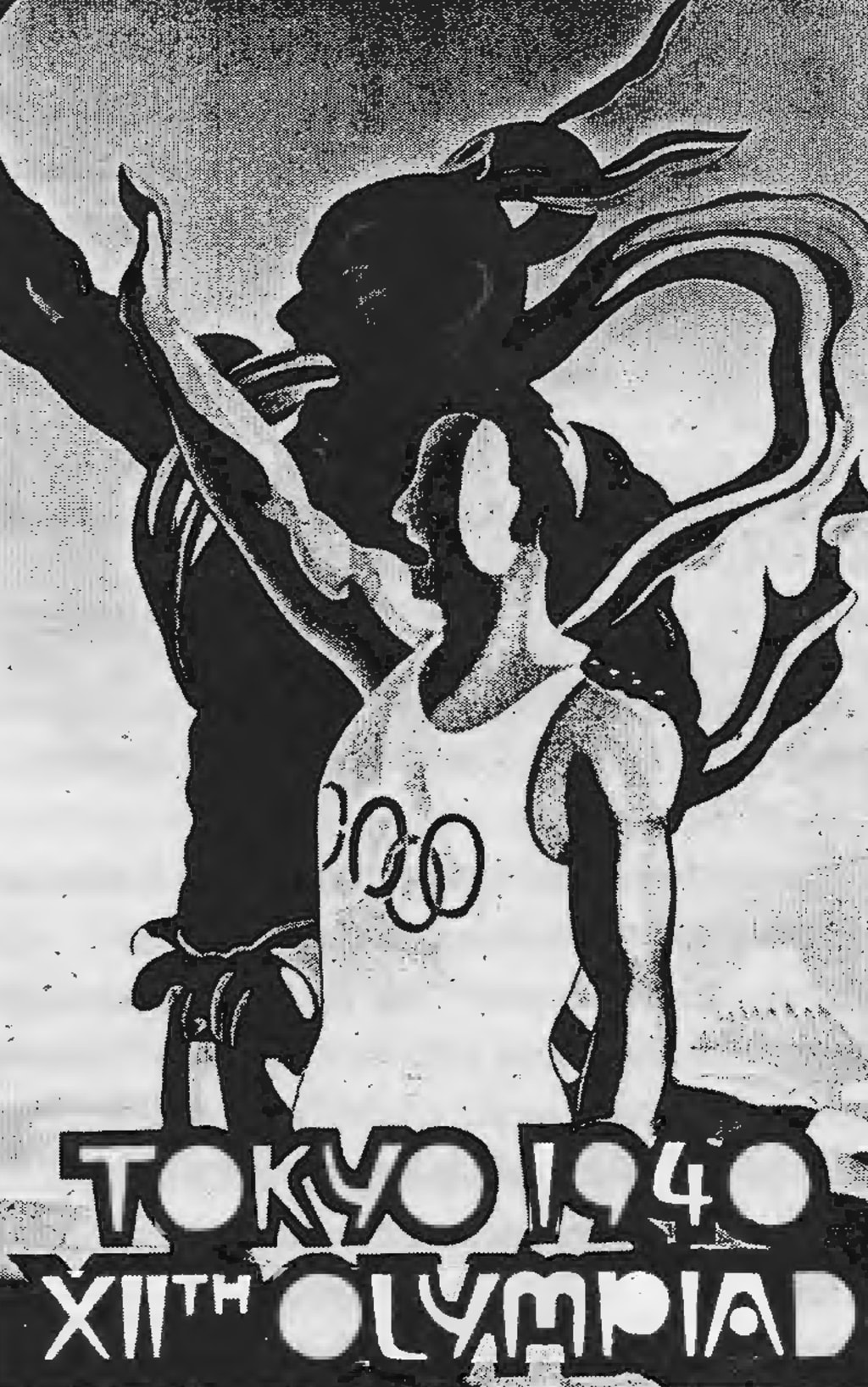
World War II had an even more profound impact on the Olympic Games than World War I. With the outbreak of the war in 1939, the 1940 Summer Olympics, which were scheduled to be held in Tokyo, Japan, were canceled. The war created an atmosphere of global instability, and the IOC recognized that it would not be feasible to hold the Games under such conditions. The 1940 Games were rescheduled to take place in Tokyo in 1940, but after Japan became involved in the war, it was no longer able to host them.
The 1940 Games were ultimately canceled, and the war continued to escalate. As a result, the IOC again made the decision to cancel the 1944 Summer Olympics, which were scheduled to take place in London. The global situation made it impossible for the Games to proceed, as countries were consumed by the war, and the logistics of hosting an international event were unworkable.
The Post-War Return of the Olympics: London 1948
After World War II ended in 1945, the Olympic movement faced the monumental task of rebuilding and recovering from the devastation of the previous years. The 1948 Summer Olympics in London marked the return of the Games after a 12-year hiatus. These Olympics were seen as a celebration of the end of the war and a symbol of hope for the future. The London Games were the first to be held after the war, and they featured the participation of countries from both sides of the conflict.
Despite the hardships, the 1948 London Olympics were a success. The event demonstrated the resilience of the Olympic movement and the determination of athletes from around the world to come together, even after the horrors of war. The Games saw the introduction of new nations to the Olympic community, as countries in Europe and Asia began to rebuild and emerge from the aftermath of the war.
The Legacy of the Olympics During World Wars
While the Olympics were temporarily suspended during the World Wars, the Games’ ability to survive and return after each conflict highlights their importance in global culture. The Olympics came to symbolize more than just athletic achievement—they became a symbol of hope, peace, and international cooperation. The Games provided an opportunity for countries to come together in the spirit of competition and mutual respect, despite the division and destruction caused by war.
In the years after World War II, the Olympics became a platform for countries to demonstrate their recovery and progress. The Games also provided a chance for athletes to compete on the world stage, representing their countries as they rebuilt in the wake of the war. The Olympics played a key role in promoting peace and diplomacy in the post-war era, helping to heal the wounds of global conflict.
Conclusion
The Olympic Games faced significant challenges during both World Wars, but the resilience of the Olympic movement allowed it to persevere. The suspension of the Games during the wars, followed by their return, demonstrated the enduring power of sport to unite nations. The Olympics continue to serve as a symbol of hope, peace, and international cooperation, even in the face of global conflict. The events of World War I and World War II profoundly shaped the future of the Olympic Games, leaving behind a legacy of perseverance and unity that continues to inspire athletes and spectators around the world today.
About the Creator
Badhan Sen
Myself Badhan, I am a professional writer.I like to share some stories with my friends.
Keep reading
More stories from Badhan Sen and writers in Gamers and other communities.
THE 1900 PARIS OLYMPICS:A TURNING POINT
The 1900 Paris Olympics: A Defining moment The 1900 Paris Olympics denoted a huge defining moment throughout the entire existence of the Olympic Games, both as far as the design and the worldwide effect it had. Held from May 14 to October 28, 1900, as a feature of the 1900 World's Fair, the occasion is in many cases seen as an achievement in light of multiple factors, in spite of it being eclipsed by different difficulties and abnormalities.
By Badhan Senabout a year ago in Gamers
20 Horror Game Masterpieces to Play Before You Die
Horror games have a unique ability to evoke fear and adrenaline, making them a beloved genre among gamers. However, there are some horror video games that will blow your mind, and you should play them to experience the sensations they offer. For this reason, I asked the AI about the best horror video games available, since I find it difficult to choose among so many options.
By Ninfa Galeano6 days ago in Gamers
10 Things Cloud Computing Solutions Simplify Server Control
Managing physical servers often feels like a never-ending battle against tangled wires and heat. You spend hours monitoring blinking lights in a cold room. Traditional setups demand constant attention and manual updates. Cloud computing solutions change this entire dynamic for modern businesses. It moves your digital assets to a flexible virtual space. This shift grants you total authority without the physical burden. The cloud transforms complex technical chores into simple clicks. It allows you to focus on growth rather than hardware maintenance.
By Arthur Leo6 days ago in Gamers



Comments (1)
What a great historical view of the Olympics and what it means for the World.