
OLYMPIC GAMES THROUGH THE DECADES
Golden Moments:Decade-Defining Achievement in the Olympics.

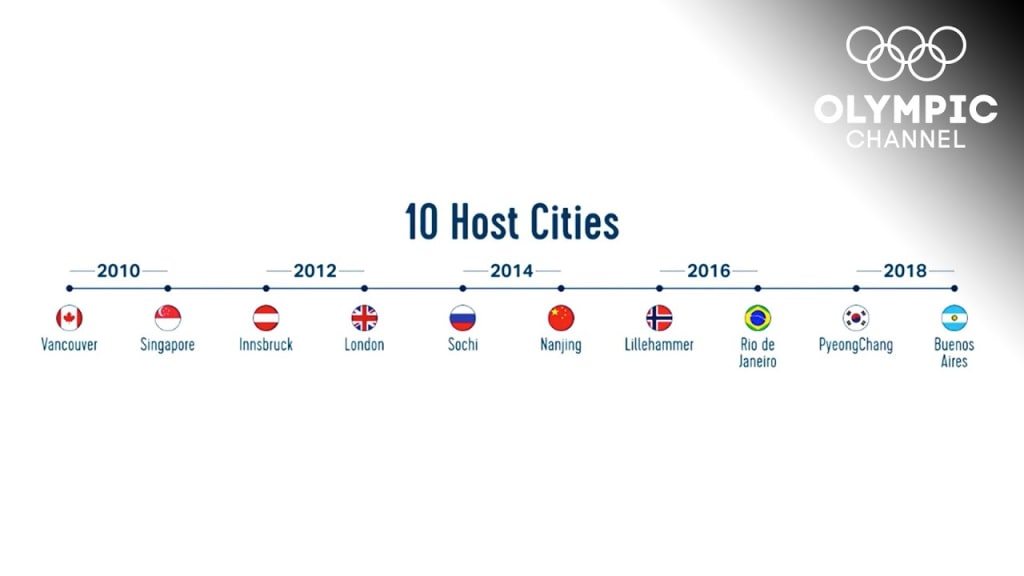
Olympic Games Through the Decades
The Olympic Games have undergone a remarkable transformation since their modern inception in 1896, evolving in scale, cultural significance, and global impact. This essay traces the journey of the Games through each decade, highlighting key milestones, challenges, and moments of triumph that have defined this iconic event.
The Beginnings: 1890s and Early 20th Century
(I)1896 Athens Games:- Reviving the ancient Greek tradition, the first modern Olympics, organized by Pierre de Coubertin, saw 14 nations participate. Despite modest beginnings, it set the stage for a global sporting event.
(II)The 1900 and 1904 Games: Held in Paris and St. Louis, respectively, these editions struggled with organization but introduced new sports and expanded participation.
The Interwar Era: 1920s and 1930s
(I)1920 Antwerp Games:- A symbol of hope after World War I, the introduction of the Olympic flag and the motto Citius, Altius, Fortius marked a turning point.
(II)1936 Berlin Games:- Infamously used as propaganda by Nazi Germany, these Games also showcased innovation with televised coverage, underscoring the power of sports in diplomacy and influence.
The Post-War Recovery: 1940s and 1950s
(I)1948 London Games:- After a 12-year hiatus due to World War II, the "Austerity Olympics" celebrated resilience and recovery.
(II)1952 Helsinki Games:- Marked by the debut of the Soviet Union, this edition highlighted the Cold War's influence on sports.
The Era of Transformation: 1960s and 1970s
(I)1960 Rome Games:- A showcase of technological advancement and the emergence of African nations in athletics.
(II)1972 Munich Games: Remembered for the tragic terrorist attack, it underscored the need for heightened security in international events.
Commercialization and Global Expansion: 1980s and 1990s
(I)1984 Los Angeles Games: Marked the advent of corporate sponsorship, setting a model for financially sustainable Olympics.
(II)1992 Barcelona Games: A celebration of unity, with South Africa returning post-apartheid and the former Soviet republics competing as the Unified Team.
The New Millennium: 2000s and Beyond
(I)2000 Sydney Games: Widely regarded as one of the best-organized Games, with an emphasis on environmental sustainability.
(II)2012 London Games: Showcased inclusivity, with every participating country fielding female athletes for the first time.
Challenges and Innovations in Recent Decades
(I)2020 Tokyo Games: Held in 2021 due to the COVID-19 pandemic, they highlighted resilience and adaptation, with a significant focus on technology and minimalism.
(II)Sustainability and Equity: Recent Games have emphasized eco-friendly practices and promoting gender equality.
Additional Insights to Include
(I)Key Athletes and Their Achievements:- Highlight iconic figures such as Jesse Owens (1936), Nadia Comăneci (1976), or Usain Bolt (2008–2016) and their groundbreaking moments.
(II)Political Influences:- Discuss boycotts, such as the 1980 Moscow and 1984 Los Angeles Games, and their global implications.
(III)Cultural Impact:- Explore how the Games have shaped global perceptions of host nations and their cultures.
(IV)Technological Advancements:- Highlight milestones such as the introduction of photo finishes, electronic timing, and advancements in broadcasting.
(V)Economic Impact:- Delve into how hosting the Olympics has influenced the economies of cities and countries, both positively and negatively.
(VI)Paralympic Games Evolution:- Include a discussion of the history and significance of the Paralympics, which parallel the Olympic Games.
(VII)Youth Olympic Games:- Introduce the concept of the Youth Olympics and its role in nurturing young talent.
Suggestions for Enrichment
(I)Visuals and Infographics:- Timeline charts of major events or images of iconic moments to make the topic engaging.
(II)Personal Anecdotes or Stories:- Include anecdotes from athletes or organizers to add a human touch.
(IV)Comparison Across Decades:- How the Games have adapted to changes in society, such as inclusion, gender equality, or sustainability.
Related Topics to Explore
(I)The Economics of Hosting the Olympic Games
(II)The Role of Media in Shaping the Olympics
(III)Major Controversies in Olympic History
(IV)Women in the Olympics: A Journey Toward Equality
(V)Sustainability in the Modern Olympics
(VI)The Paralympics: A Celebration of Ability
Conclusion
The Olympic Games reflect the spirit of their times, capturing the world’s triumphs, conflicts, and aspirations. From their humble beginnings to their current stature as a global phenomenon, the Olympics continue to inspire unity and excellence across decades. As they evolve, the Games remain a testament to the enduring power of sports to transcend borders and celebrate humanity’s shared potential.
About the Creator
Badhan Sen
Myself Badhan, I am a professional writer.I like to share some stories with my friends.
Keep reading
More stories from Badhan Sen and writers in Gamers and other communities.
THE ROLE OF THE INTERNATIONAL OLYMPIC COMMITTEE(IOC)
The Role of the International Olympic Committee (IOC) The International Olympic Committee (IOC) serves as the governing body of the Olympic Movement, playing a pivotal role in organizing, promoting, and sustaining the world’s most celebrated sporting event. Since its establishment in 1894, the IOC has evolved into a vital organization that ensures the integrity, universality, and continuity of the Olympic Games. This article delves into the various aspects of the IOC's role, including its structure, responsibilities, challenges, and impact on global sports.
By Badhan Senabout a year ago in Gamers
Rsvsr Governor of Poker 3: The Game Where Strategy Rules
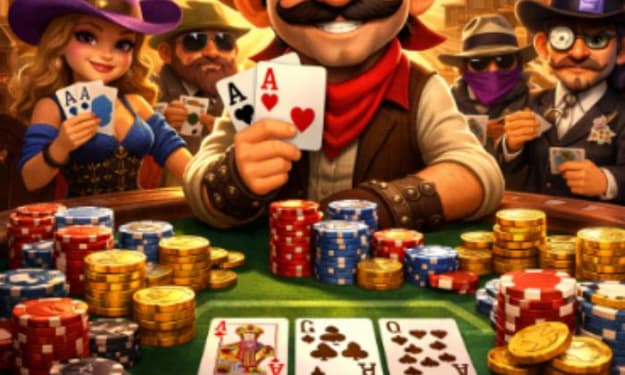
If you’ve ever opened Governor of Poker 3, or GOP 3 as fans call it, you know it’s not just another mobile poker game. At first glance, it looks simple enough: log in, grab some chips, and play Texas Hold’em. But dive a little deeper, and you realize GOP 3 is a game of strategy, skill, and even psychology.
By Billo Nali6 days ago in Gamers
Getting Serious About Comedy (Part I)
If I were asked to remark on my life and the childhood that paved some road leading me to this point, I would have to say something about all the funny people who surrounded me for the last 26,872 days (and counting). Somewhere along that road, I became a big fan of laughter and the comedy that spawns it – and, I mean not only my own laughter, but the laughter of others, some of which I have actually been responsible for inducing.
By John Oliver Smith6 days ago in Humor


Comments (1)
What an interesting article. I remember the Munich Games in 1972 but I was 7 at the time but there was a lot of news breaks about hostages.