

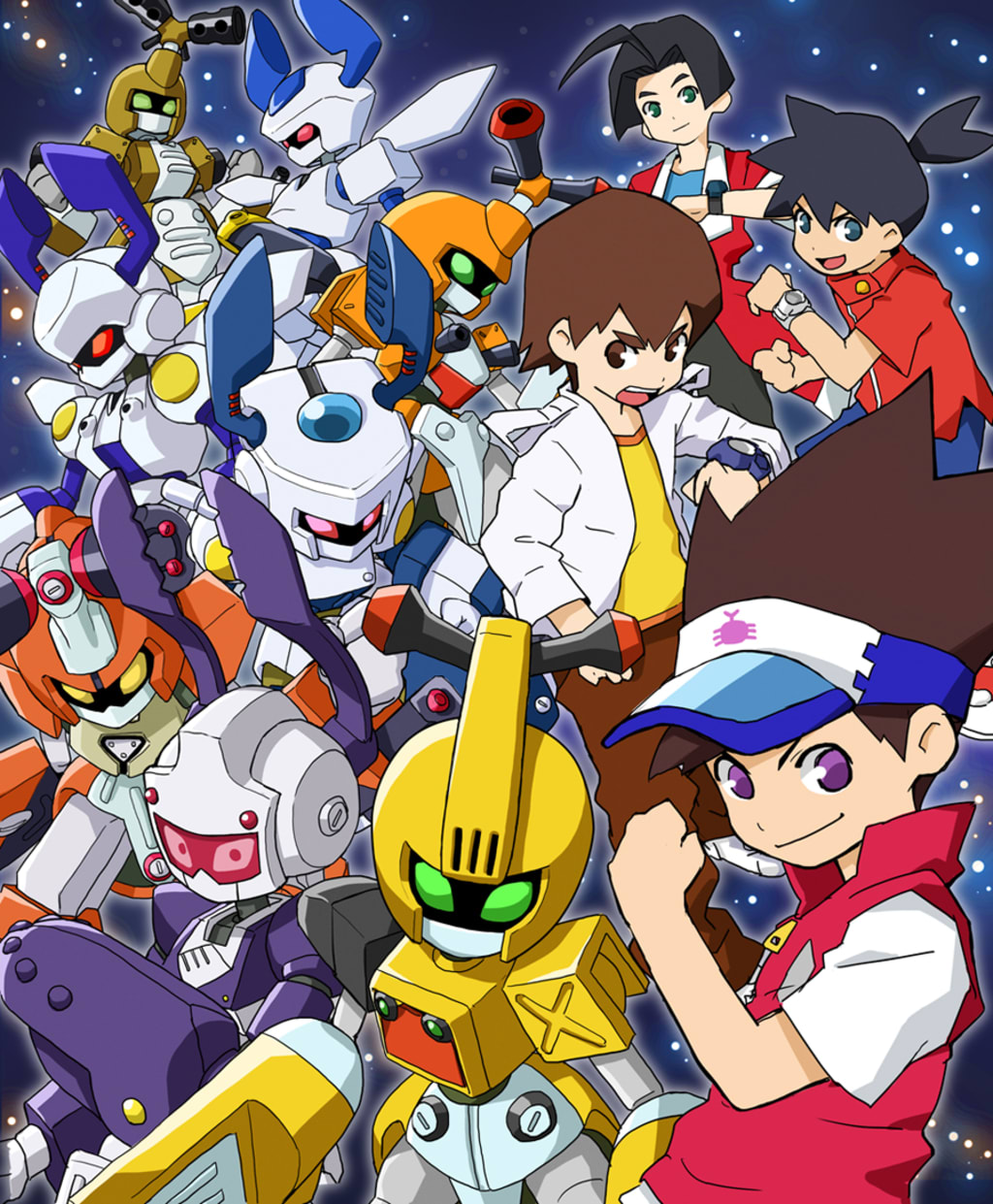
The 1999 anime Medabots is one of my all-time favorites. However, until recently, I hadn't played the games the anime was adapting. Around the time of its English broadcast, the only game I was aware of was Medabots: Metabee & Rokusho for Game Boy Advance. I was not too fond of this game when I was younger because the motion tweening used in its battle animations was stilted compared to the fluid animation featured in the anime. Unbeknownst to me, Medabots: Metabee & Rokusho was a remake of Medarot 2, so in other words, there were other games. Two decades later, I discovered that not only were there more games, but the Medabots fan community was in the process of translating them. Thankfully, most Medarot games are Game Boy titles with less off-putting battle animations.
Medarot

To my surprise, the Medabots anime I liked so much wasn't an adaptation of the original but instead its sequel, Medarot 2. In Actuality, Medarot was a prequel to the anime and unknown territory to non-Japanese fans. Instead of the anime's protagonist, Ikki Tenryou, the story follows the adventures of Hikaru Agata. Medarot is a Game Boy turn-based RPG and is reminiscent of other monster-collecting games on the handheld. As a Pokémon-obsessed kid in the '90s, it would have been a welcome addition to my game library, even if it is a bit rough around the edges. What struck me about the original Medarot game is its reserved storytelling and non-linear exploration reminiscent of Pokémon Red & Blue. More impressive is how fully developed the Medarot series' signature "relay" battle system was even in its first entry. If you want to try Medarot, it's available in English courtesy of the fan translation group, Cash Medal Chameleon.
Medarot 3
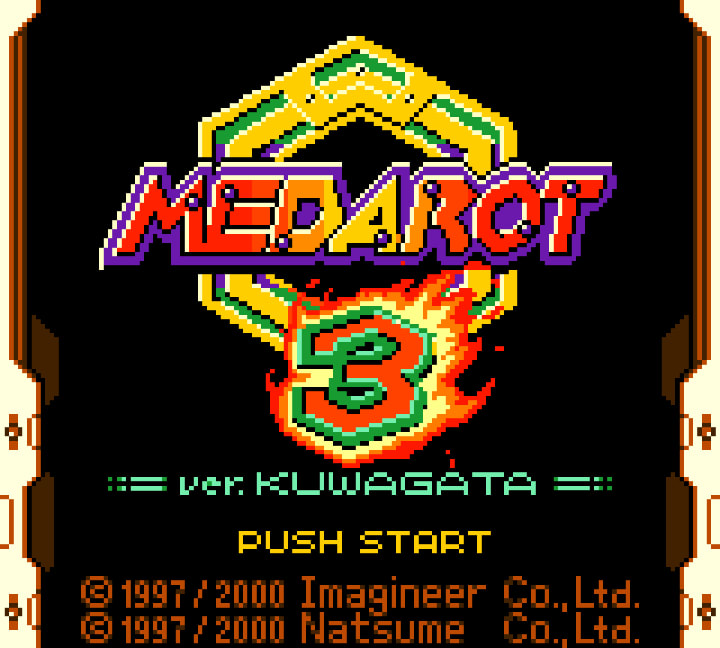
Medarot 3 is the sequel to Medarot 2, and it is what the much-loathed follow-up to the Medabots anime Medarot Spirit draws its inspiration from. I had always assumed the titular robots turning into vehicles in Medarot Spirit was a ploy to sell more toys, but it's a game mechanic introduced in Medarot 3 called Medachange. As a Game Boy Color title, Medarot 3 takes advantage of the increase in power to deliver a better-looking and more robust RPG. Having been released after the anime, Medarot 3 retains its character designs, and even voices from the anime have made their way into the game. In a way, Medarot 3 is a more faithful successor to the anime than Medarot Spirit because it continues the adventures of the previous cast rather than replacing them with new characters. Medarot 3 also received an English fan translation from Cash Medal Chameleon, and work on Medarot 4 is currently underway.
It's a surreal experience when you discover that there is more of the media you enjoyed as a kid. On the one hand, it's nice to unearth more of something you like, but on the other hand, it's sad that it fell into obscurity in the first place. I still wish for anime adaptations of game-exclusive Medarot content, like what's depicted in the fan animations by illustrator and animator MIROKU. However, between the anime receiving a Blu-ray release with English subtitles from Discotek Media and the official Medarot YouTube channel airing reruns, the future seems bright for Medabots. If any of this piqued your curiosity, I recommend joining the Medabots fan community at the Project Rising Beetle Discord server. As for me, I will be anticipating further fan translations of the Medarot series (I'm looking forward to Medarot 5 in particular) while starting the playthrough of Medabots: Metabee, which I should have started ages ago.
About the Creator
Yaw
Formerly My IGN & Creators Media
A Strategic Look at Today’s Monopoly GO Events — February 25, 2026
For players who enjoy planning their moves and maximizing rewards, February 25, 2026 offers a well-balanced lineup of events in Monopoly GO. Between overlapping tournaments, carefully timed boosts, and daily challenges, today’s schedule rewards patience, timing, and smart dice management rather than reckless rolling.
By Dangyc Ding4 days ago in Gamers



Comments (1)
I haven't played this game in Niger