
Level Up! Integrating AI into Mobile Games for Smarter NPCs and Dynamic Gameplay
Enhancing Mobile Games with AI: Smarter NPCs, Dynamic Gameplay, and Personalized Experiences
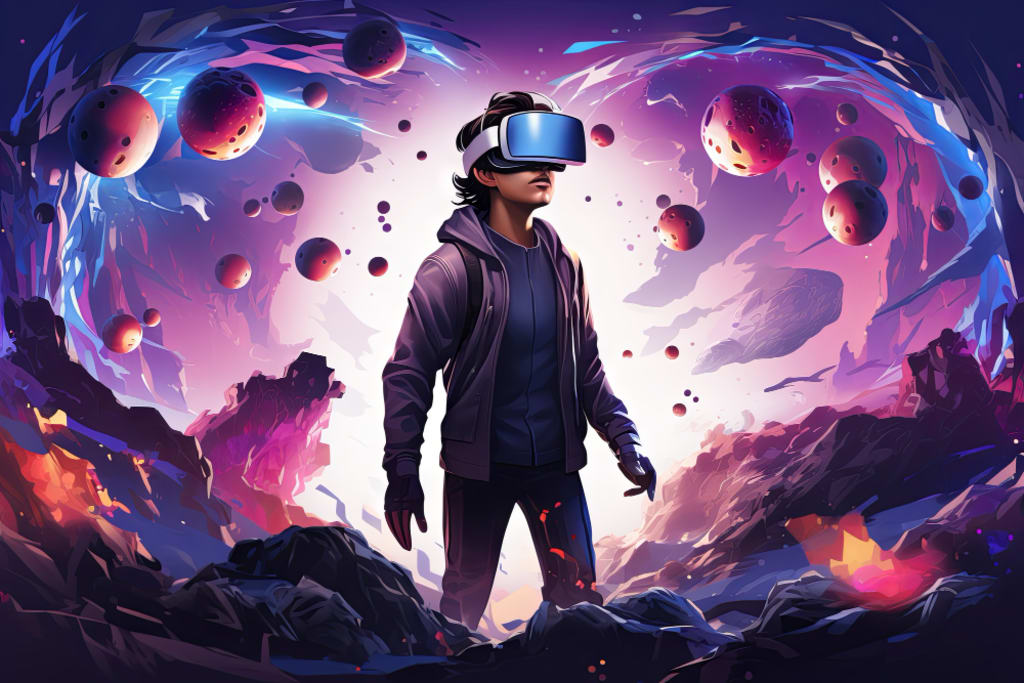
Gaming has come a long way from the pixelated characters of the past. Today, artificial intelligence is revolutionizing mobile gaming, making non-playable characters (NPCs) smarter and gameplay more dynamic. Whether it’s an AI-driven enemy that learns your strategies or a virtual teammate that adapts to your playstyle, the integration of AI is taking mobile gaming to new heights. In this article, we’ll explore how AI is enhancing mobile games and provide a step-by-step guide on how to integrate AI into an app, ensuring players get an immersive and engaging experience.
Why AI is a Game-Changer in Mobile Gaming
AI isn’t just about automating tasks; it’s about creating adaptive, intelligent systems that make gaming more unpredictable and engaging. Here’s how AI is making an impact:
1. Smarter NPC Behavior
AI enables NPCs to react dynamically to player actions. Instead of following pre-set patterns, NPCs can adapt, learn, and challenge players in unexpected ways.
2. Personalized Gaming Experiences
AI-driven analytics help tailor experiences based on player behavior, ensuring personalized challenges, difficulty adjustments, and unique storylines.
3. Procedural Content Generation
AI assists in generating new levels, missions, and challenges dynamically, keeping gameplay fresh and exciting without requiring constant developer intervention.
4. Real-Time Adaptation
AI allows games to modify difficulty levels, NPC behavior, and in-game events in real time based on player skills and strategies.
Now that we understand AI’s role, let’s explore the step-by-step process of integrating AI into mobile games.
Step-by-Step Guide: How to Integrate AI into an App for Mobile Gaming
Integrating AI into a mobile game requires careful planning and the right set of tools. Here’s how you can do it:
Step 1: Define the AI’s Role in the Game
Before diving into coding, determine what AI will handle in your game. Will it control NPC behavior, generate content, or personalize player experiences? Clearly defining AI’s role ensures a structured approach.
Step 2: Choose the Right AI Framework
There are several AI frameworks that can help developers implement AI in mobile games:
Unity ML-Agents (for reinforcement learning in Unity-based games)
TensorFlow Lite (for AI-powered features on mobile)
OpenAI Gym (for training AI models)
IBM Watson AI (for natural language processing and decision-making AI)
Choosing the right framework depends on the complexity of AI behavior you want to implement.
Step 3: Train AI Models for NPC Behavior
AI models must be trained to understand game scenarios. This involves:
Supervised Learning: Training AI on existing game data.
Reinforcement Learning: Allowing AI to learn from trial and error, improving over time.
Neural Networks: Using deep learning to enable complex decision-making processes.
Step 4: Implement AI-Powered NPCs
NPCs should be able to adapt to player strategies. Developers can use AI-driven pathfinding, state machines, and behavior trees to give NPCs an intelligent decision-making ability.
For example, in a shooter game, AI-driven enemies can learn a player’s attack patterns and adjust their movements, making battles more challenging.
Step 5: Utilize AI for Procedural Content Generation
To keep games fresh, AI can generate dynamic content, such as:
Randomized levels and terrains
Adaptive difficulty settings
Unpredictable enemy placement
Games like No Man’s Sky use AI-based procedural generation to create vast, unpredictable universes.
Step 6: Optimize AI for Mobile Performance
Mobile devices have limited processing power. Optimize AI integration by:
Using cloud-based AI computations for heavy processing tasks
Implementing efficient algorithms to reduce CPU load
Keeping AI decision-making streamlined
Step 7: Test and Refine AI Behavior
Once AI is integrated, it must be tested rigorously. Game developers should analyze AI performance to ensure NPCs behave as intended and do not create unfair advantages or frustrating experiences for players.
Step 8: Deploy AI Updates and Learn from Player Data
AI in games should evolve over time. Developers can collect player data (ethically) to refine AI behavior, improve interactions, and roll out updates that enhance the overall gaming experience.
Real-World Examples of AI in Mobile Games
1. PUBG Mobile – AI-Powered Bots
Early-stage players in PUBG Mobile often play against AI-driven bots to ease them into the game. These bots gradually become more difficult based on player performance.
2. Call of Duty Mobile – Adaptive Enemy AI
AI in Call of Duty Mobile adjusts enemy behavior based on player skill levels, ensuring a balanced gameplay experience.
3. AI Dungeon – AI-Generated Storytelling
AI Dungeon uses GPT-powered AI to create interactive storytelling, making each gameplay experience unique and unpredictable.
The Future of AI in Mobile Gaming
The evolution of AI in mobile gaming is just getting started. Future advancements will bring:
AI-powered voice assistants for real-time player coaching
AI-driven game development tools for automatic level creation
Advanced behavioral AI for hyper-realistic NPC interactions
By integrating AI into mobile games, developers can create truly immersive experiences that keep players engaged for the long run.
Conclusion
AI is transforming mobile gaming by making NPCs smarter, gameplay more dynamic, and experiences more personalized. From adaptive difficulty to real-time content generation, AI enhances every aspect of gaming. If you’re wondering how to integrate AI into an app, the process starts with defining AI’s role, choosing the right framework, training AI models, and optimizing performance for mobile devices. As AI technology advances, the future of gaming will become even more exciting, unpredictable, and engaging.
About the Creator
Keep reading
More stories from Namee Trivedee and writers in Gamers and other communities.
AI in Sports: How Computer Vision is Revolutionizing Training and Transforming Champions Trophy 2025 with SportsTech Innovations
If you thought cricket was all about leather on willow, some well-placed sledging, and rain delays that could rival a Netflix binge, think again! The Champions Trophy 2025 is bringing a whole new player onto the pitch—Artificial Intelligence (AI). And no, not the kind that just predicts when you’ll lose your temper over a dodgy LBW decision. This AI is redefining training, strategy, and even umpiring, making cricket more thrilling (and fair) than ever before.
By Namee Trivedee11 months ago in Gamers
U4gm Energy Shield, Spirit, and Skill: Witch Meta Explained
If you’ve been diving into Path of Exile 2 lately, you’ve probably noticed that some Witch builds just feel… unstoppable. Fast clears, consistent DPS, and solid survivability seem baked into the top-tier setups. The secret isn’t a single skill or flashy item—it’s a combination of Energy Shield, Spirit stacking, and skill scaling, carefully balanced to create a meta-defining powerhouse.
By Billo Nali7 days ago in Gamers
The Ever-Evolving World of PC Gaming
For more than thirty years, PC gaming has quietly shaped how people interact with digital worlds. What began as simple text commands typed into blinking screens has evolved into richly detailed universes filled with complex characters, competitive environments, and creative expression. While consoles and mobile devices continue to attract large audiences, PC gaming remains distinct because it grows alongside the technology that supports it rather than being limited by fixed hardware cycles.
By Hawaiian Malia7 days ago in Gamers




Comments
There are no comments for this story
Be the first to respond and start the conversation.