
It's all about the money
A look at monetisation in video games.

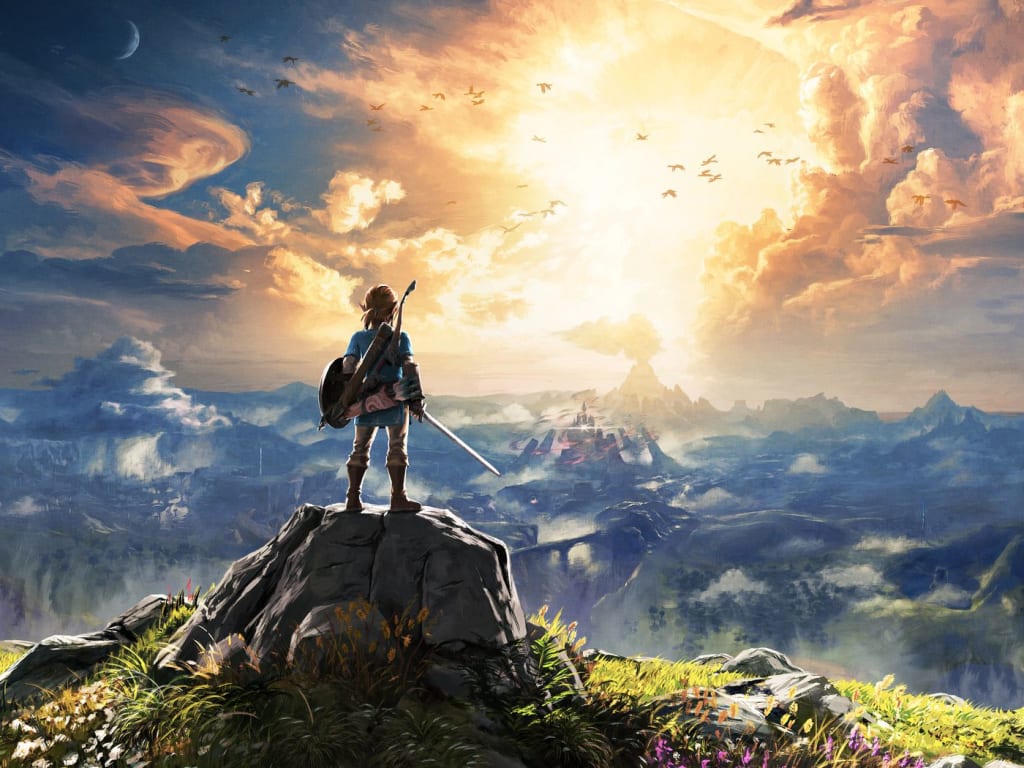
In 2020, gaming is saturated with battle royales, MOBAs and pay-wall games – you can’t go four or five YouTube videos without seeing an advert for Raid: Shadow legends these days (or there’s always Albion Online). Modern Warfare: Warzone back in August reached 75 million players in less than 6 months of release; Modern Warfare was estimated to be making around $2000 per minute back in June 2020. The current success of battle-royales is huge, now more and more people are being introduced into gaming through them. It is no wonder the worth of the industry is inflating by almost 10% every year. I would think gaming started its turn probably around the same time the first iPhone was released (2007-2008). The internet moved to our pockets – the opportunity of monetisation skyrocketed – this influenced the video game industry.
The shift in focus has led to companies delivering yet to be finished, unpolished products that are then marketed at full price. I have Modern Warfare on PC, twice I have had to do a complete reinstall and after every 200mb update (which occurs almost daily) I wait upwards of 10 minutes for shaders to install. So many moments of pointlessly shouting at the screen like it’s a window to the design department at Activision – Fix your game! Games are riddled with bugs due to them being rushed out of development because of deadlines – time is money, but that isn’t an excuse. If you’re paying for a product, you expect to receive more than just the packaging.
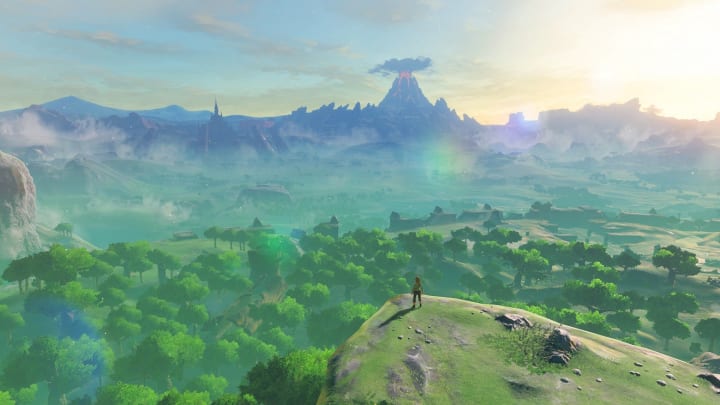
Consider this, The Legend of Zelda: Breath of the Wild released back in March 2017. The game retailed at £60 and was an instant hit, you could watch a couple of videos and know instantly what you are getting for your money. Selling 20 million copies as of 2020 it quickly became one of the greatest selling games of all time. You play the game and you can feel the care and attention that was put into the game to make a brilliant player experience. God of War, again another brilliant example of pure attention to detail and one that prioritises the experience you have throughout the game.
This industry, after all, is business. Profits are needed to keep things afloat. Early access is needed for many independent developers, people looking to turn their hobbies into their life. Does the monetisation account for the flaws in games, not necessarily – there isn’t anything concrete to suggest this – but when you think, it is entirely possible. This is not to say that flaws didn’t exist before this monetisation trend, games have always had flaws. It is, however, to say it would be nice to see the larger developers pay attention to the finer details, as patrons we deserve this. Games launch with bugs, but those bugs should not be there one year on, 30 million copies sold later – I’m referring to you, Infinity Ward.
Years down the line, I will remember my time playing through Breath of the Wild, and my time indulging in Norse mythology on God of War. Yes, I will also remember many of the times I have dropped into Verdansk. Ultimately, although the game is a buggy mess, I had a lot of fun playing the game with my friends and the game – when it works – can be a joy. Although, I hope I don’t completely romanticise the experience and ignore the number of restarts, two reinstalls, regular shader updates, game-breaking bugs and a 250gb total file size. At the end of the day, it is acceptable to expect more from a game that grosses $2000 a minute. A minute.
For more news, reviews and features from us, check out our website.
About the Creator
Ready Player Gone
Ready Player Gone is a team of people who post about the thing we love most, gaming. You will see mainly our opinion posts on here but if you want to see what else we write, check out www.readyplayergone.com
Keep reading
More stories from writers in Gamers and other communities.
Beyond the Pixel The Golden Age of Spain Gaming Revolution in 2026
The global gaming map has traditionally been dominated by the giants of Silicon Valley, the meticulous studios of Japan, and the creative powerhouses of Northern Europe. However, as we move through 2026, a new contender has firmly established its seat at the high table: Spain. What was once seen as a secondary market, primarily known for its passionate players rather than its creators, has transformed into a critical hub for game development, esports innovation, and cloud-based gaming infrastructure. The Spanish gaming industry has transcended its "emerging" status, now contributing billions to the national GDP and employing over 100,000 highly skilled workers across a decentralized network of studios that stretch from the sun-drenched coast of Malaga to the creative heart of Barcelona.
By Neeraj kumar5 days ago in Gamers
Style Over Substance: A Comprehensive Review of the FC 26 Team of the Year Event
The Cinematic Peak of the Season Meets a Mixed Bag of Content and Value After a lackluster preceding week that players jokingly referred to as "Time Folding"—an event so forgettable they wished to fold it out of existence—the TOTY has finally arrived in FC 26. As the most prestigious event in the football simulation calendar, expectations were sky-high. While the initial reveal has left the community in awe of its visual presentation, the actual substance of the card pool, SBCs, and gameplay systems has sparked a heated debate regarding whether the "grind" is truly worth the reward.
By hasan zidan6 days ago in Gamers
One Hard Thing
Stop me if you’ve heard this one before: You have the number, you know your schedule- you’ve even picked out the perfect day and time to make this appointment. Shoot, you’ve even picked out alternative days and times just in case their schedules can’t accommodate you!
By Taylor Rigsby7 days ago in Motivation



Comments
There are no comments for this story
Be the first to respond and start the conversation.