
How to Master the New Combat Mechanics in Monster Hunter: Wilds
Master Every Fight with Precision – Learn the New Combat Features, Weapon Changes, and Advanced Tactics in Monster Hunter: Wilds

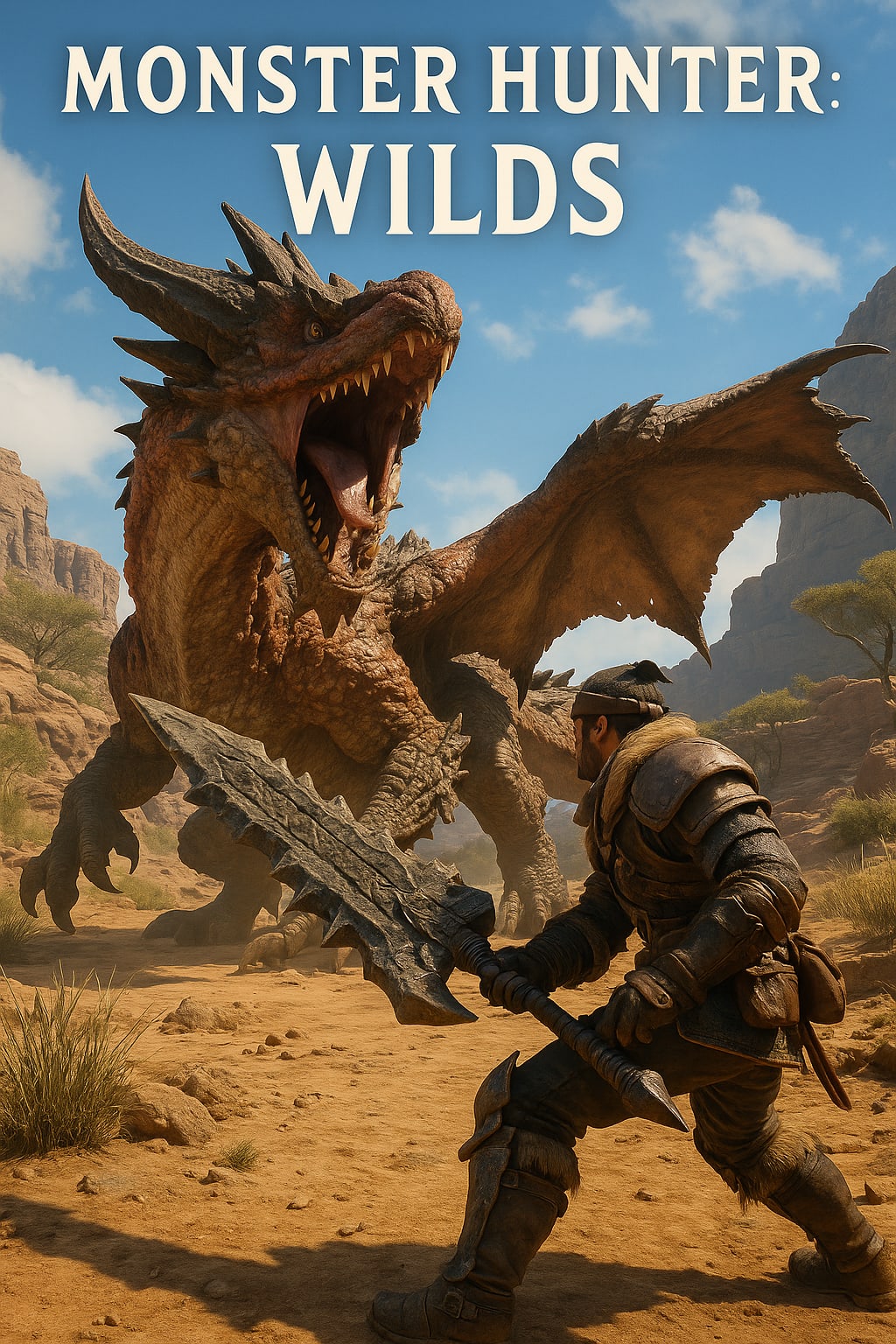
The world of Monster Hunter: Wilds has reshaped itself around a faster, more responsive combat system that rewards both aggression and tactical awareness.
Whether you're a longtime hunter or stepping into the wilds for the first time, understanding these new mechanics is critical. This isn't just about landing hits; it's about mastering momentum, reading monster behavior more dynamically, and controlling the battlefield like never before.
In this in-depth guide, we’ll explore everything from the overhauled weapon systems to environmental synergy and monster aggression patterns. If you're serious about survival and dominance, read on.
1. The Evolution of Combat in Monster Hunter: Wilds
Capcom has taken a bold step forward with Monster Hunter: Wilds. The combat flow is no longer segmented by zones or rigid animations. Instead, it feels like a living, breathing fight with a creature that genuinely wants you dead.
One of the most dramatic changes? Seamless, open-area engagements. There are no loading screens when transitioning between biomes or battle areas. That alone changes the entire pacing.
Add in new terrain features, shifting weather conditions, and more reactive AI, and you’re not just fighting a monster, you’re hunting in a wild, unpredictable world.
2. Weapon Flow Enhancements: Fluidity, Not Simplicity
Nearly every weapon in Wilds has been refined or reworked. Instead of introducing entirely new weapon types, Capcom has deepened the utility of existing ones. The result? Each weapon feels richer and more nuanced.
Examples of Changes:
- Great Sword now allows for more fluid dodging between charge levels, making it easier to reposition mid-combo.
- Insect Glaive benefits from an improved Kinsect AI, leading to better tracking and hit confirmation.
- Dual Blades include a “Wild Rush” mechanic, chaining in mobility and aggression in a loop of high-speed slicing and dodging.
To master your weapon, spend time in the training grounds first. Then test it in a real hunt. The flow of combat now rewards adaptability over rote combos.
3. Environmental Synergy: Using the Wilds to Your Advantage
The environments are no longer just backdrops, they're weapons.
In Monster Hunter: Wilds, you can trigger rockslides, ride sandstorms, or lure monsters into territorial disputes. Each biome has unique hazards and tools. Mastering the combat system means integrating terrain manipulation into your strategy.
Practical Tip: Pay attention to the ground beneath your feet. Mud slows you, but can also slow your prey. Tall grass can hide your movements. Ledges are ideal for aerial attacks, but can also break your line of sight if used defensively.
This system favors players who understand their surroundings, not just their targets.
4. The Adrenaline System: Managing Aggression and Risk
A brand-new feature in Wilds is the Adrenaline System. This passive meter builds as you engage in close-range combat without taking damage. When maxed, it unlocks temporary buffs: increased stamina regen, minor damage resistance, and a sharper response window for counterattacks.
But there's a twist.
Take a hit during this buildup, and you lose the meter entirely. This rewards confident, clean play. You need to push forward without making a single mistake. It transforms the risk-reward calculus of every fight.
Learning to manage your Adrenaline can mean the difference between a clean victory and a brutal crash.
5. Monster Behavior and Stamina Fatigue
Monsters in Wilds no longer follow basic patterns. Their AI has been upgraded to react based on aggression levels, weather conditions, and their own fatigue status.
For instance, during a sandstorm, certain desert monsters gain speed while others struggle. When monsters tire, they don’t just limp—they become desperate. Some lash out with unpredictable attacks; others retreat into hazardous terrain.
Study their movements. Don’t just memorize patterns. Watch for breathing changes, posture shifts, and limb tension. These subtle cues can tell you when to dodge, when to attack, and when to back off.
6. Mounting and Aerial Combat Revamp
Forget the traditional mounting system. In Wilds, mounting now involves a grapple-based mini-combat mechanic. You can latch onto monsters using your traversal tool, but you’ll need to balance stamina while managing position on their body.
If you're not careful, you'll be thrown off before you can trigger a damage phase. But if you time it right, especially during monster roars or staggers, you can unleash devastating combos.
Aerial combat is similarly reworked. Attacks launched from above have more power, but you’re exposed longer. The new system places a higher skill ceiling on airborne strategies, but the payoff is immense.
7. Co-Op Combat: Better Together, But Smarter
Capcom has improved cooperative gameplay with new synergy-based effects. When multiple hunters perform well together—no friendly fire, clean roles, combo chains—the game recognizes it and rewards with brief synergy boosts.
Healers restore more. Shields block wider arcs. DPS can land criticals more easily.
That said, poor coordination will punish you harder than ever. Spamming traps or overriding a stagger phase can cause a monster to flee or go berserk.
Pro Tip: Communicate. Plan synergy around traps, debuffs, and burst phases. In Wilds, team play is no longer optional. It’s essential.
8. Weapon Mastery Challenges and Adaptive Loadouts
Wilds introduces rotating “weapon mastery” challenges in the hub area. These optional trials teach advanced techniques and reward you with powerful mods or rare mats.
Each trial focuses on one of three things:
- Weapon flow and timing
- Environmental interactions
- Monster phase reactions
Completing these not only gives you gear but also builds instinct. And that’s what separates a decent hunter from a master.
Don’t ignore these. They exist for a reason.
9. Final Tips to Dominate Combat in Monster Hunter: Wilds
Let’s recap with a few concrete takeaways:
- Master mobility. Dodging is tighter, faster, and more essential than ever.
- Learn tells. Every monster has subtle signs. Study them.
- Use terrain. Trap monsters, gain elevation, control space.
- Embrace risk. The Adrenaline System rewards precision and nerve.
- Coordinate in teams. Synergy is the new meta.
- Keep evolving. Your playstyle must adapt from hunt to hunt.
The combat mechanics in Monster Hunter: Wilds are a bold leap forward. They force players to be more than button mashers—they must become tacticians, acrobats, and naturalists.
You can't just memorize a boss fight and brute force your way through it. Every encounter is a moving puzzle. And mastering it is one of the most rewarding feelings in gaming.
So take your time. Learn the rhythm of battle. Master your tools. And when you finally stand over a defeated apex predator, knowing it was your skill, not just your gear, that won the fight?
That’s what Monster Hunter: Wilds is all about.
About the Creator
Richard Bailey
I am currently working on expanding my writing topics and exploring different areas and topics of writing. I have a personal history with a very severe form of treatment-resistant major depressive disorder.
Keep reading
More stories from Richard Bailey and writers in Gamers and other communities.
Monster Hunter: Wilds Weapon Tier List – Best Builds Ranked
Monster Hunter: Wilds pushes the series’ formula to new heights, with more monsters, deeper combat, and sprawling biomes that demand adaptability. In this ever-evolving ecosystem, the right weapon isn't just preference, it’s survival.
By Richard Bailey9 months ago in Gamers
Level Up Your Life: How Gaming Builds Skills, Friends, and Succes
"Think gaming is just a way to kill time? Think again. Every quest you complete, every strategy you master, and every battle you fight is secretly leveling up your brain, your skills, and your real-life potential. Gaming isn’t just entertainment—it’s training for life."
By Zakir Ullah4 days ago in Gamers
Essential Golf Tips Every Beginner Needs to Improve Their Game
Golf is a rewarding sport that combines skill, patience, and strategy. For beginners, the game can feel challenging because it requires mastering several techniques at once. Many new golfers focus too much on hitting the ball far instead of learning the fundamentals that lead to consistent performance. Improvement comes from developing good habits early, practicing with purpose, and understanding how each part of the game works together. With the right approach and consistent effort, beginners can build confidence and steadily improve their performance on the course.
By Daniel Ladner2 days ago in Gamers
Hottest in the Office
Dear Rafi, You’re very distracting to work around. For the first second I saw you the other day, I thought you were some type of executive. It took a moment to realize no, you were just the new guy, dressed up for the job he wants. Be still, my heart.
By Gabriel Shames4 days ago in Pride



Comments
There are no comments for this story
Be the first to respond and start the conversation.