
How to Make Leveling up Engaging
Musings on Progression Systems

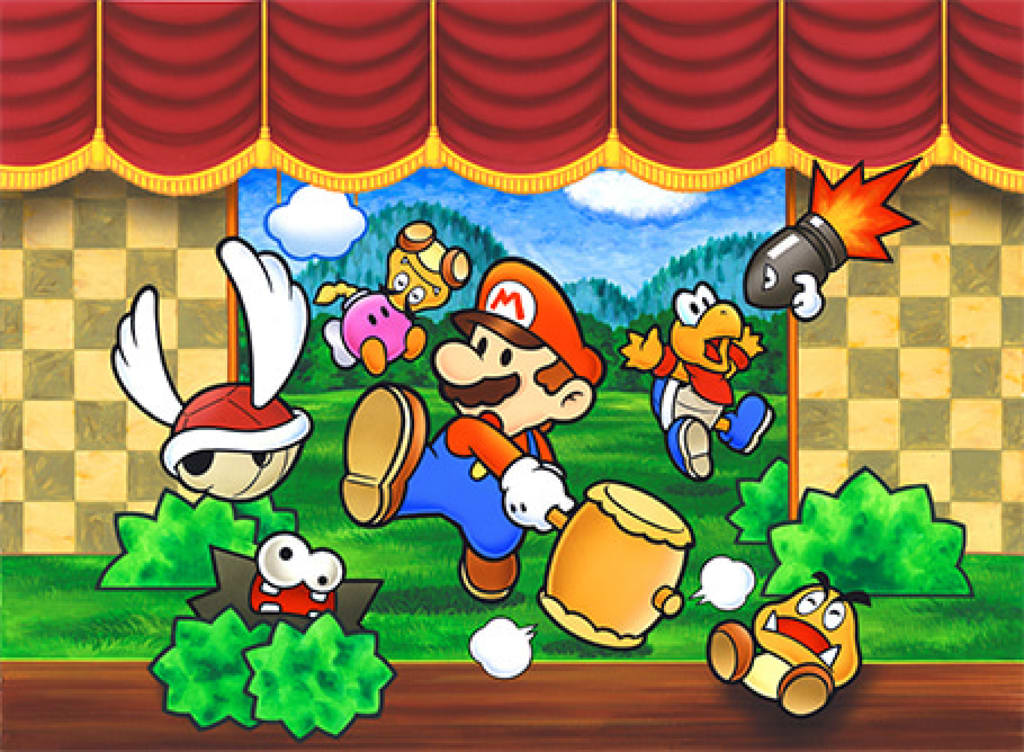
Progression systems are not exclusive to RPGs but are one of the genre's defining features. While reflex-based genres like fighting and rhythm games develop the player's reaction time, RPGs have progression systems that improve the player's avatar. Unfortunately, most RPG progression systems don't make the player feel stronger in any meaningful way; instead, they settle for arbitrary numbers that increase as you level up. An engaging progression system has significant growth that substantially strengthens the avatar and custom growth that grants the player control over how the avatar grows.
Significant Growth

Mega Man Battle Network is an RPG series that manages to have significant avatar growth without even having experience points! Instead, what drives the avatar growth in Mega Man Battle Network is power-ups that the player can obtain through exploration, shopping, and side quests. These power-ups increase Mega Man's strength by upgrading his health and buster stats. What makes each power-up significant is that just one substantially boosts Mega Man's ability in combat. Mega Man Battle Network even assigns Mega Man a level based on the number of power-ups equipped so players can track their progress. However, the most compelling example of significant avatar growth in the Mega Man Battle Network series is the Style Change, which didn't appear until its sequel. A Style Change is an upgrade Mega Man receives partway through the game that grants him an element affinity, a more powerful buster, and a passive ability. There are five Style Changes in all, and the one Mega Man gets is determined by what tactics the player employs in battle.
Custom Growth

However, RPGs with experience points don't necessarily have terrible progression systems. Paper Mario has one of my favorite progression systems despite its use of experience points. Aside from the ingenious way that leveling up always requires 100 Star Points (experience points), making progress easy to track upon leveling up, the player can choose how Mario grows. The three stats players can choose to upgrade Heart Points (health), Flower Points (mana), and Badge Points, which increase the amount of passive and active abilities Mario can equip. What makes this progression system engaging is the player's ability to craft their own experience by choosing what stats to upgrade, neglecting Heart Points, which can even serve as a pseudo-hard mode. Custom growth in Paper Mario doesn't only apply to Mario but also to his partners. Mario's partners each have a rank that can be advanced using a Super Block, an item that boosts their attack power and grants them a new ability. The Super Block being a single-use item means the player has to decide when to upgrade each partner.

Of course, Paper Mario and Mega Man Battle Network include significant and custom avatar growth in their progression systems, making them some of my favorites. However, substantial and custom growth isn't the only way to create an engaging progression system. For example, in The Legend of Zelda: Ocarina of Time Link, the protagonist gains access to more powerful attacks when he travels seven years into the future. At the same time, to not flatten the difficulty curve, future enemies are also more powerful. On its own, this would make it seem like Link hasn't gotten stronger at all, but since enemies from the past still appear in the future, the player can feel their progress. What makes time travel in Ocarina of Time unique as a progression system is that it's nonlinear, with advantages to using Young Link over Adult Link.
About the Creator
Yaw
Formerly My IGN & Creators Media
U4gm ARC Raiders: Storms, Strategy, and Big Rewards
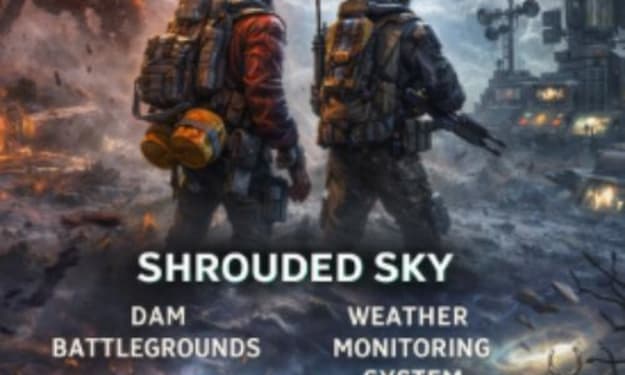
The world of ARC Raiders has always been unpredictable, but the recent Shrouded Sky update takes chaos to a whole new level. This update introduces high-risk zones in Dam Battlegrounds and a community-driven Weather Monitoring System project, giving players fresh reasons to explore, fight, and strategize.
By Billo Naliabout 5 hours ago in Gamers
When the Shelter Closes
Across the street from my house, a man slept under a tree, his dog by his side. My first, naive thought: he must be traveling through. But he kept coming back, often sleeping there during the day. Then it hit me—that person might not have a home.
By Bride of Sound4 days ago in Humans


Comments
There are no comments for this story
Be the first to respond and start the conversation.