
HOW THE OLYMPICS SUPPORT INTERNATIONAL HUMANITARIAN CAUSES
Exploring the Role of the Olympics In Promoting Global Humanitarian Efforts.

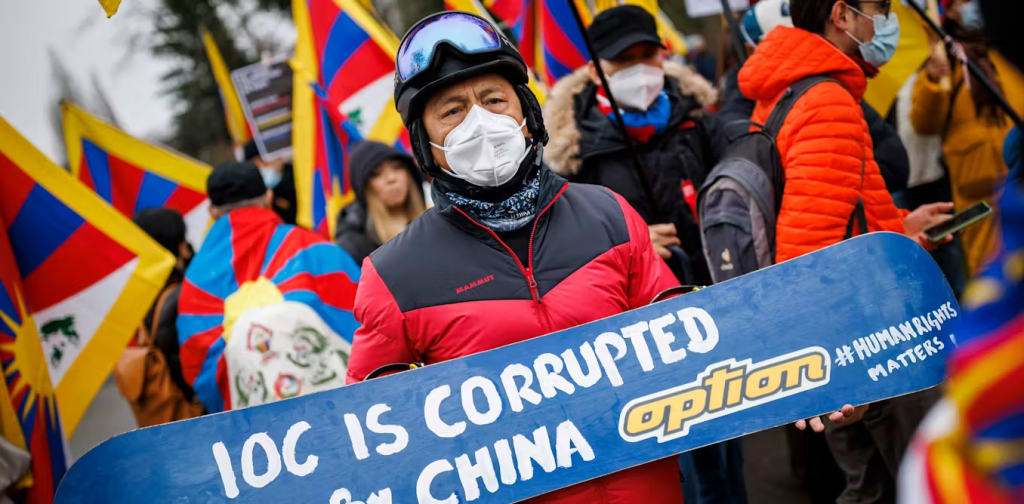
The Olympic Games are one of the world’s most prominent sporting events, but their influence extends far beyond the realm of athletics. As a global platform, the Olympics play a significant role in supporting international humanitarian causes. Through various initiatives and collaborations, the Games contribute to global development, peacebuilding, and humanitarian relief efforts, aligning with values of solidarity, peace, and inclusion.
(I)The Olympic Charter and Humanitarian Values
The foundation of the Olympic commitment to humanitarianism lies in the Olympic Charter, the guiding document that sets out the mission of the International Olympic Committee (IOC). The Charter emphasizes values such as respect for human dignity, non-discrimination, and the pursuit of peace through sport. The IOC's principles prioritize the promotion of peace, which has been a fundamental objective since the Games were first established in ancient Greece. Today, the IOC works to uphold these principles by partnering with global organizations and mobilizing resources to address pressing humanitarian needs.
(II)The Role of the IOC in Crisis Response
One of the most direct ways the Olympics support humanitarian causes is through the IOC's involvement in disaster relief efforts. In times of crisis, such as after natural disasters or conflict, the IOC often coordinates fundraising campaigns and mobilizes resources to provide immediate assistance. For example, during the 2004 Indian Ocean tsunami, the IOC launched a global fundraising campaign, which raised millions of dollars for relief efforts. Similarly, following the 2010 earthquake in Haiti, the IOC pledged significant financial support, working alongside various humanitarian organizations to help rebuild the country.
Additionally, the IOC has implemented initiatives that target long-term recovery in disaster-stricken regions, offering resources for infrastructure rebuilding, community development, and psychological support. By leveraging the global reach and visibility of the Olympic Games, the IOC can rally support and bring attention to underrepresented humanitarian issues.
(III)Partnerships with United Nations (UN) and Other Organizations
The IOC also collaborates closely with international organizations, including the United Nations (UN), to address global humanitarian challenges. The IOC’s partnership with the UN is anchored in their shared commitment to promoting peace and human rights. In 1993, the IOC established the Olympic Truce, which calls for a cessation of hostilities during the period of the Olympic Games. This initiative encourages peace and stability during the Games, but also serves as a broader call for diplomatic solutions to conflicts worldwide.
The UN High Commissioner for Refugees (UNHCR) and the IOC have formed a strong relationship to help refugees and displaced persons. The IOC has helped fund programs that provide education, health services, and opportunities for refugee athletes. The introduction of the Refugee Olympic Team in 2016 was a major milestone, as it allowed athletes who were forced to flee their home countries due to war and violence to compete under the Olympic flag. The team’s participation in the Rio 2016 and Tokyo 2020 Olympics highlighted the potential of sport as a tool for resilience and integration.
Through its collaboration with the World Health Organization (WHO), the IOC also promotes health initiatives. The Olympics have long advocated for physical activity as a means of preventing disease, and the IOC has been involved in campaigns that address public health challenges such as the fight against HIV/AIDS, malaria, and tuberculosis.
(IV)Athlete Activism and Social Justice
In recent years, athletes have increasingly used the Olympic stage to raise awareness about global humanitarian issues. The visibility of the Olympic Games provides athletes with a unique opportunity to advocate for social justice, human rights, and environmental sustainability. Prominent athletes such as Muhammad Ali, Tommy Smith, and John Carlos have used their platform to bring attention to racial injustice and civil rights issues, while others have spoken out on issues ranging from climate change to Gender equality.
The IOC has also made efforts to ensure that the Games remain a platform for inclusion and equality. The introduction of gender-neutral categories and the increased representation of women in the Games exemplify the IOC’s commitment to promoting equality. The Olympic Agenda 2020 has a strong focus on inclusion, diversity, and sustainability, with initiatives aimed at making the Games more environmentally friendly and socially responsible.
(V)Legacy Programs and Sustainability
The Olympic Games also leave behind a legacy of infrastructure, programs, and systems that continue to support humanitarian causes long after the Games have ended. Each host city must adhere to a set of sustainability principles that prioritize environmental responsibility, social inclusion, and community development. These legacy programs often include sports facilities for local communities, education initiatives, and programs designed to combat poverty.
For example, the London 2012 Olympics were hailed as a model for sustainable Games, with a focus on creating lasting benefits for the local community. The legacy of the London Games includes the regeneration of East London, creating jobs and opportunities for underserved populations. Similarly, the Tokyo 2020 Games incorporated sustainability measures, including the use of recycled materials for medals and eco-friendly venues.
In The End
The Olympics have long been a symbol of unity, peace, and global cooperation. Through their humanitarian efforts, the Games not only showcase the talents and perseverance of athletes but also raise awareness and support for a wide range of global issues. Whether responding to natural disasters, advocating for refugees, or promoting sustainability and human rights, the Olympics have a profound and lasting impact on humanitarian causes. By continuing to align with the values of peace, solidarity, and inclusion, the Olympic Games remain an influential force for good on the world stage.
About the Creator
Badhan Sen
Myself Badhan, I am a professional writer.I like to share some stories with my friends.
Keep reading
More stories from Badhan Sen and writers in Gamers and other communities.
THE ROLE OF THE OLYMPICS IN LGBTQ+ ADVOCACY AND INCLUSION
The Olympic Games, one of the world's most significant sporting events, have long been a platform for global unity, athletic excellence, and national pride. However, in recent years, they have also become an arena for LGBTQ+ advocacy and inclusion. As societal awareness of LGBTQ+ rights grows, the Olympics has increasingly embraced the importance of diversity, acceptance, and representation, signaling a powerful shift in the world of sports and beyond.
By Badhan Senabout a year ago in Gamers
U4gm MLB The Show 26: A Complete Evolution of Baseball Gaming
MLB The Show 26 takes baseball simulation to an entirely new level. This year’s edition isn’t just a simple update — it represents a full evolution of the franchise, combining realism, strategy, and fun in one polished package. From career journeys to competitive online play, every mode has been refined, making the game more immersive and rewarding than ever before.
By Billo Nali4 days ago in Gamers




Comments (1)
Good job. The Olympics do seem to bring people together one way or another.