
HOW THE OLYMPICS AFFECT THE HOST CITY
Economic,Social,and Environmental Impacts of Hosting the Olympics.

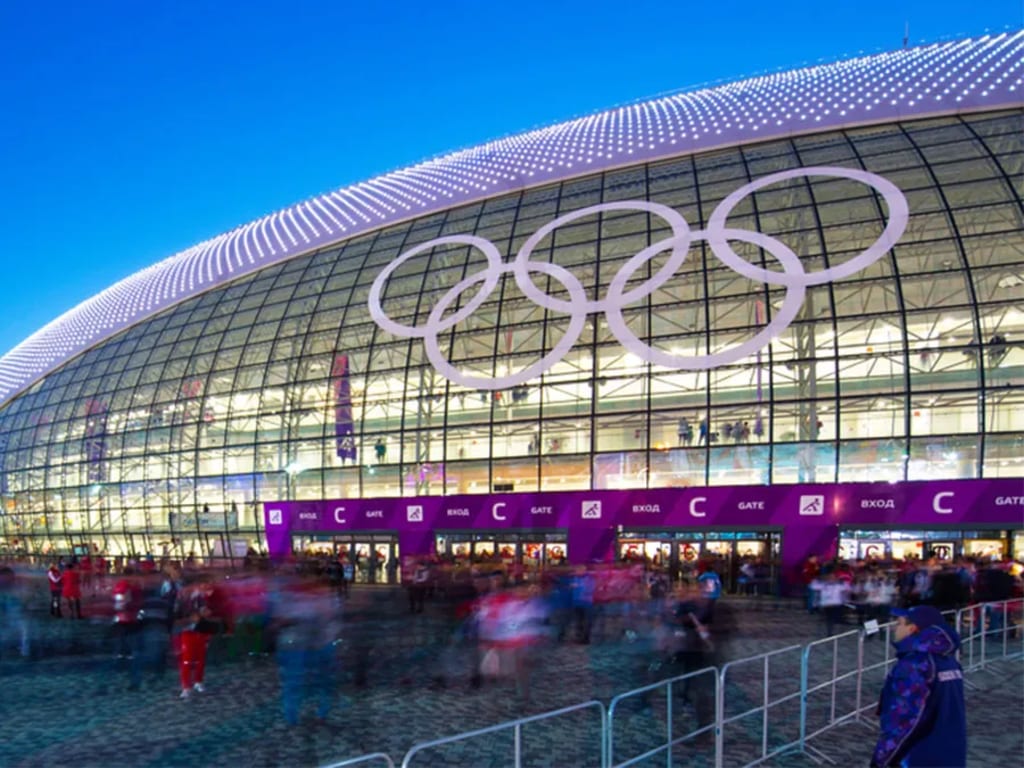
The Olympics are one of the world’s most significant sporting events, bringing together countries and athletes from all over the globe. While the Games are a global spectacle, they have profound and lasting impacts on the host city. From economic boosts to infrastructural developments, and cultural exchange to environmental concerns, the Olympics shape the host city in multiple ways, both positive and negative.
Economic Impact
One of the most immediate and widely discussed effects of hosting the Olympic Games is the economic boost the host city receives. The Games attract millions of visitors, including tourists, media, and athletes, creating a surge in demand for accommodation, food, and services. Local businesses, such as restaurants, transport services, and retail shops, experience a significant increase in sales during the Games.
However, the economic impact extends beyond the duration of the event. Hosting the Olympics often results in long-term infrastructure investments, such as the development of sports venues, transportation networks, and other public facilities. These developments can improve the city's overall economic vitality by creating jobs and attracting future investment. For instance, the 1992 Barcelona Olympics is widely credited with transforming the city into a major tourist destination and enhancing its global reputation.
Infrastructure Development
One of the most visible and enduring legacies of hosting the Olympics is the improvement in infrastructure. To prepare for the event, host cities invest heavily in building and upgrading sports venues, roads, airports, and public transportation systems. These infrastructure projects often improve the city’s accessibility and connectivity, benefiting both the local population and future visitors.
The 2008 Beijing Olympics, for example, led to the development of a new airport terminal, enhanced rail systems, and modernized sports venues, such as the iconic Bird’s Nest Stadium. Similarly, the London 2012 Olympics saw improvements to public transportation, including the expansion of the London Underground and the construction of new park-and-ride facilities.
While these improvements can have long-lasting benefits, they come at a significant cost. Many host cities experience financial strain from the heavy investment required for infrastructure development. In some cases, these projects end up being underused or inefficient, with venues left unused after the Games have ended. The legacy of these developments is a key issue for future Olympic hosts to consider carefully.
Social and Cultural Impact
Hosting the Olympics also offers opportunities for cultural exchange and social integration. The Games bring together people from different cultures and countries, fostering international understanding and solidarity. The event provides a platform for the host city to showcase its culture, history, and traditions to the world, helping to raise its profile on the global stage.
However, the social and cultural impacts are not always entirely positive. In some cases, the influx of tourists and media can lead to overcrowding and social displacement, particularly in areas near Olympic venues. In addition, some local residents may feel that the focus on the Olympics detracts from addressing more pressing social issues, such as poverty, housing, and education.
The 2016 Rio de Janeiro Olympics, for instance, was criticized for the displacement of local communities to make way for new infrastructure projects. While the Games offered a chance to showcase Brazil’s cultural heritage, the social costs were felt by many of the city’s poorer residents.
Environmental Impact
The environmental impact of the Olympics is a growing concern, especially as the world grapples with climate change and sustainability challenges. Hosting the Games requires extensive construction, which can lead to habitat destruction, increased pollution, and higher carbon emissions. The construction of Olympic venues and the necessary infrastructure can result in significant waste generation and energy consumption.
Some host cities have taken steps to address these concerns by incorporating sustainability into their planning. The 2000 Sydney Olympics, for example, were hailed as one of the first "green" Olympic Games, with the city focusing on using renewable energy, recycling, and minimizing waste. Similarly, the 2020 Tokyo Olympics emphasized sustainability through initiatives such as using recycled materials for medals and building venues with energy-efficient designs.
Despite these efforts, the environmental cost of hosting the Olympics remains a significant issue, with many critics arguing that the event’s large-scale infrastructure projects are inherently unsustainable in the long term.
Conclusion
The impact of hosting the Olympic Games on a host city is multi-dimensional. While the event brings significant economic benefits, infrastructure development, and cultural exchange, it also presents challenges in terms of social displacement, environmental concerns, and financial costs. The long-term legacy of the Games depends on how well the host city can manage these opportunities and challenges, ensuring that the benefits outweigh the costs and that the infrastructure built for the Olympics continues to serve the city’s residents for years to come. In the end, hosting the Olympics is a complex decision that involves careful planning, investment, and a long-term vision for the future of the host city.
About the Creator
Badhan Sen
Myself Badhan, I am a professional writer.I like to share some stories with my friends.
Keep reading
More stories from Badhan Sen and writers in Gamers and other communities.
THE ROLE OF TECHNOLOGY IN MODERN OLYMPICS
The Role of Technology in Modern Olympics The Olympic Games have evolved drastically over the years, and one of the most significant transformations has been the role of technology in shaping the modern Olympic experience. From how athletes train and compete to how audiences watch the games, technology has become deeply integrated into almost every aspect of the Olympics. The advancement of technology has improved not only the efficiency of the Games but also the fairness and safety of competitions. In this article, we will explore the diverse ways in which technology has influenced the Olympics, from performance enhancement to fan engagement and the logistical management of the event.
By Badhan Senabout a year ago in Gamers
Fortnite Will Totally Change How You Play Battle Royale and Build Your Victory
Few games have had as profound an impact on modern gaming culture as Fortnite. Developed by Epic Games and released on Xbox, Fortnite combines fast-paced combat, creative building mechanics, and constantly changing environments to create a battle royale experience unlike any other. Its unique blend of action and construction has made it a cultural phenomenon, attracting millions of players worldwide.
By Lukáš Hrdlička5 days ago in Gamers
Diablo IV Will Drag You Into Darkness You Won’t Want to Escape From
Few action RPGs command attention like Diablo IV. Developed by Blizzard Entertainment and available on Xbox, the game marks a powerful return to the franchise’s darker roots. It blends intense combat, deep character customization, and a haunting world into an experience that feels both relentless and rewarding.
By Lukáš Hrdlička5 days ago in Gamers
Two Grumpy Old Men Solve the Problem
Marty and Steve were two grumpy old men who lived together. They had known each other for years. Marty had been a bachelor all his life. Steve said it was because no one could stand to ever live with. Marty’s standard reply was “Well, you are, so what sort of a moron does that make you!”
By Calvin London4 days ago in Humor


Comments (1)
Great article and I guess there are many ups and downs of hosting the Olympic Games for any country.