
HOW TECHNOLOGY HAS TRANSFORMED OLYMPIC BROADCASTING
Revolutionizing Sports:The Digital Evolution of Olympic Broadcasting.

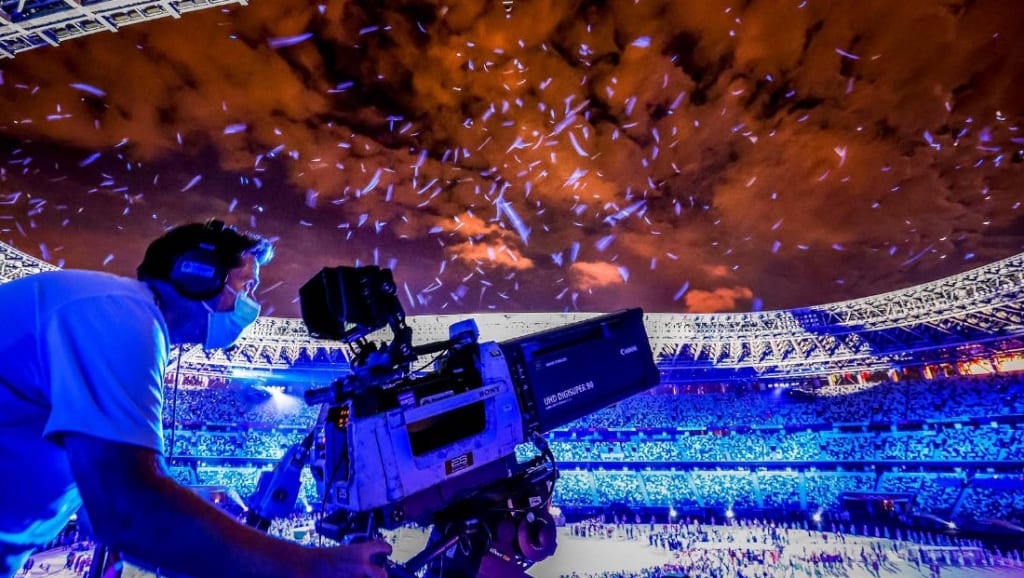
The Olympic Games, a global spectacle celebrating athletic excellence, have undergone a profound transformation in their broadcasting over the years. From limited local radio coverage to worldwide, multi-platform experiences, advancements in technology have revolutionized how the Olympics are delivered to audiences around the globe. These changes have enhanced accessibility, improved viewer engagement, and offered unprecedented coverage of the events.
The Evolution of Olympic Broadcasting
Broadcasting the Olympics began in 1936 during the Berlin Games when live television footage was introduced, albeit for local audiences. At the time, broadcasting was constrained by technological limitations, and only a small number of people could watch the games. With the advent of satellite technology in the 1960s, the Olympics gained a global audience. The 1964 Tokyo Olympics were the first to be broadcast live via satellite, marking a pivotal shift in the reach and immediacy of Olympic coverage.
By the 1980s and 1990s, cable television and digital broadcasting enabled broadcasters to provide more comprehensive coverage, offering multiple channels for viewers to choose from. This period also saw the beginning of innovations like slow-motion replays and graphics-enhanced presentations, adding depth to the viewing experience.
The Digital Revolution and Online Streaming
The emergence of the internet and digital technologies in the 21st century transformed Olympic broadcasting in unprecedented ways. The 2008 Beijing Olympics were the first Games to be live-streamed online, allowing audiences to watch events on-demand and from multiple angles. Streaming platforms and mobile applications empowered viewers to follow their favorite sports, athletes, and events anytime and anywhere, breaking the constraints of traditional television schedules.
Social media platforms have also become integral to Olympic broadcasting. Platforms like YouTube, Twitter, and Instagram serve as complementary channels where highlights, behind-the-scenes footage, and athlete interactions are shared. This not only democratizes access to Olympic content but also engages younger audiences who consume media differently from previous generations.
High-Definition and Immersive Viewing
Technological advancements in camera and display technologies have significantly improved the quality of Olympic broadcasts. High-definition (HD) broadcasting, introduced in the early 2000s, allowed viewers to experience the Games with stunning clarity and detail. More recently, 4K and even 8K ultra-high-definition (UHD) broadcasts have taken this a step further, particularly evident during the 2021 Tokyo Olympics, where select events were broadcast in 8K resolution.
In addition to better visuals, immersive technologies such as virtual reality (VR) and augmented reality (AR) have brought viewers closer to the action. The Rio 2016 Olympics marked the debut of VR broadcasting, enabling users with VR headsets to experience events as if they were at the venue. AR graphics enhance storytelling during broadcasts, providing viewers with real-time statistics, performance metrics, and interactive visualizations that enrich their understanding of the events.
Personalized Viewing Experiences
Technological innovation has shifted Olympic broadcasting from a one-size-fits-all approach to highly personalized experiences. AI and machine learning technologies analyze viewer preferences to curate content, recommend events, and highlight favorite athletes. Viewers can now customize their Olympic journey, focusing on specific sports or following athletes from their country.
Multi-camera setups and interactive features allow viewers to choose different camera angles or replay specific moments. This customization caters to diverse audience interests, ensuring everyone can enjoy the Games in their preferred way.
Global Accessibility
Technology has made the Olympics more accessible than ever. With the expansion of broadband internet and mobile connectivity, audiences in remote and underserved regions can now watch the Games. Broadcasters provide multilingual commentary and subtitles, ensuring that language is no longer a barrier to enjoying the spectacle. Furthermore, adaptive technologies like closed captioning and audio descriptions enhance inclusivity for viewers with disabilities.
The Role of Data and Analytics
Data analytics has emerged as a crucial aspect of modern Olympic broadcasting. Broadcasters use real-time data to enhance storytelling, offering viewers insights into athletes' performances, weather conditions, and historical comparisons. For example, wearable technology worn by athletes provides telemetry data that is shared during broadcasts, giving audiences a deeper understanding of the effort and skill involved in each event.
Challenges and Future Prospects
While technology has transformed Olympic broadcasting, challenges remain. The digital divide means that not all regions can access high-quality streaming or advanced viewing experiences. Additionally, the increasing reliance on digital platforms raises concerns about cybersecurity and the protection of intellectual property.
Looking ahead, technological advancements promise even more exciting possibilities. Artificial intelligence could enable hyper-realistic virtual experiences, while advancements in holography may bring athletes into viewers’ living rooms. 5G networks will further enhance streaming quality and reduce latency, enabling seamless experiences across devices.
In The End
Technology has revolutionized Olympic broadcasting, transforming it from a limited, regional experience into a global, multi-platform phenomenon. Advances in digital streaming, immersive technologies, and personalized viewing have enriched the way audiences connect with the Games, fostering a deeper appreciation for athletic achievements. As technology continues to evolve, it will further enhance the inclusivity, accessibility, and interactivity of Olympic broadcasting, ensuring that the magic of the Games reaches every corner of the globe in ever-more innovative ways.
About the Creator
Badhan Sen
Myself Badhan, I am a professional writer.I like to share some stories with my friends.
Keep reading
More stories from Badhan Sen and writers in Gamers and other communities.
THE ROLE OF TECHNOLOGY IN THE OLYMPIC GAMES
The Olympic Games, one of the most celebrated global sporting events, have continually evolved with the integration of technology. From enhancing athlete performance to improving viewer experience and ensuring fair competition, technology plays a pivotal role in shaping the modern Olympics. This essay explores how technological advancements have transformed the Games, focusing on athlete training, event organization, broadcasting, and fairness.
By Badhan Senabout a year ago in Gamers
Upcoming Xbox & Game Pass Releases: What’s Worth Playing This Week?
It’s time once again to take a look at what’s landing on Xbox and Xbox Game Pass this week—and whether any of it is worth your valuable time or money. It has been a minute since the last week-in-preview roundup (holiday chaos and all that), but we’re officially back on track with a fresh lineup of releases.
By Bella Anderson7 days ago in Gamers


Comments (1)
Good work and technology keeps changing so will everything else I suppose in some and many ways.