
How Spider-Man: Miles Morales Perfectly Captures New York City
Exploring the Realism, Culture, and Spirit of NYC in the Game

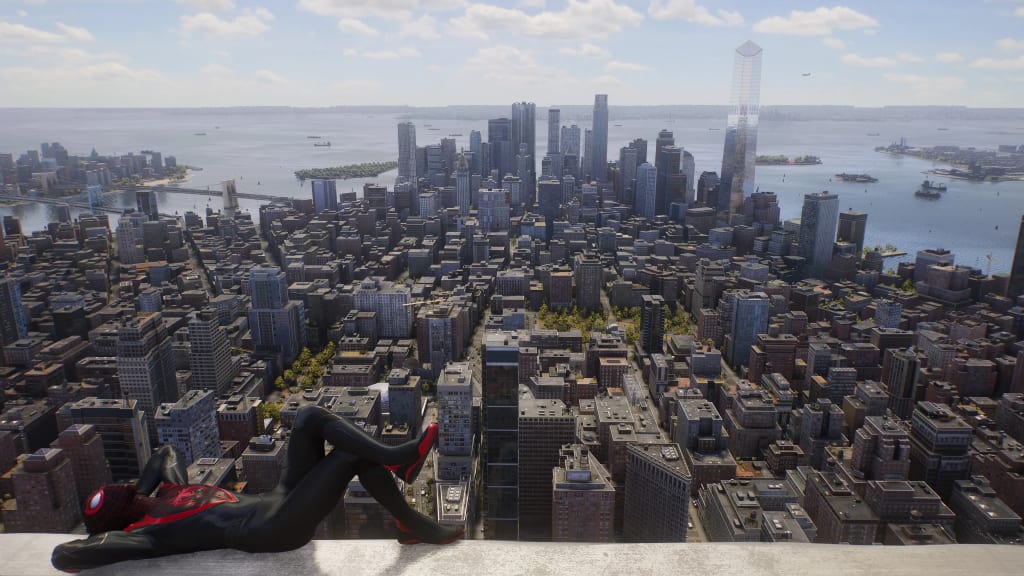
Since its release, Spider-Man: Miles Morales has been celebrated not only for its thrilling superhero action but also for its remarkable recreation of New York City. From the glimmering skyline to the bustling streets, the game captures the essence of the Big Apple in a way that few games have achieved. Beyond the visual fidelity, it also reflects the city’s culture, diversity, and energy, making players feel like they are truly swinging through Manhattan.
A Visual Marvel: New York City in Stunning Detail
The first thing players notice is how visually accurate the game is. The developers at Insomniac Games used a combination of photogrammetry, satellite data, and meticulous reference photography to replicate the city’s architecture, streets, and landmarks. Iconic structures like the Empire State Building, the Chrysler Building, and the Statue of Liberty appear faithfully rendered.
During gameplay, players can swing past skyscrapers with reflections and lighting that change realistically throughout the day. The dynamic weather system, including rain, snow, and evening lighting, adds further immersion. When snow falls in Harlem during the holiday season, it feels magical yet true to life. Even subtle details, like steam rising from subway grates and traffic patterns, contribute to the feeling of a living, breathing city.
Capturing the Energy of Manhattan
New York City is famous for its energy and hustle, and Miles Morales reflects this brilliantly. NPCs (non-player characters) are diverse and dynamic, engaging in everyday activities — hailing cabs, jogging in Central Park, or waiting in line for coffee. Street performers and musicians add cultural richness, while vehicles move according to traffic rules, with occasional honking for realism.
The scale of the city is impressive. Neighborhoods like Harlem, Downtown Manhattan, and Brooklyn feel distinct, with unique architectural styles and local color. Harlem, for example, is full of murals, cultural landmarks, and music that reflect the area’s heritage. This attention to detail provides an authentic experience of the city’s neighborhoods rather than a generic urban environment.
Cultural Representation and Storytelling
What sets Miles Morales apart is not just the city’s physical recreation but its cultural and social depth. The game is set in a Harlem neighborhood rich in history, art, and culture. Miles himself is a Puerto Rican and African American teenager, and his background is integrated into the narrative and environment.
Side missions and collectibles include local events, murals, and community centers, highlighting the city’s diversity. Street art in the game often celebrates African American and Latino culture, echoing real-life murals in Harlem. Interactions with characters provide insight into community life, from local shop owners to neighborhood activists, creating a sense of authenticity rarely seen in superhero games.
The Physics of Swinging Through NYC
One of the most iconic aspects of Spider-Man games is web-swinging, and in Miles Morales, it perfectly conveys the feeling of navigating the city. Swinging is fluid and responsive, with momentum, height, and gravity accurately represented. Players can swing past Times Square, over the East River, or through narrow alleyways, giving a sense of speed and freedom.
The game balances realism with fun — while it maintains believable physics, it also allows for cinematic swings and stunts. The scale of the city is large enough to feel grand but carefully designed so that navigation is intuitive. Players can experience both verticality and horizontal breadth, making New York feel expansive yet manageable.
Sound Design Brings NYC to Life
The city doesn’t just look real — it sounds real. Ambient noises like car horns, chatter, subway trains, and distant sirens create an authentic soundscape. Miles’s headphones can even pick up music from street performers, giving auditory cues that immerse players in city life.
Voice acting also enhances realism. NPC dialogue and character interactions reflect the city’s diversity, from accents to slang, without feeling stereotyped. Even minor details, like the chatter of construction workers or announcements in the subway, enrich the sense of place.
Interactive Landmarks and Side Activities
The game isn’t just about swinging through streets — it also encourages exploration. Players can:
Photograph landmarks: Capturing skyscrapers, bridges, and statues rewards players and encourages appreciation of the city’s architecture.
Collect tokens: Some collectibles are hidden in areas resembling real-world NYC locations.
Engage in side missions: Helping citizens, fighting crime, or interacting with neighborhood characters enhances the feeling of living in a bustling metropolis.
These elements make players feel like part of the city, not just visitors passing through.
Balancing Realism with Playability
While the game is incredibly realistic, developers also made creative adjustments for gameplay purposes. Certain buildings and streets are condensed or altered to improve navigation and pacing, ensuring the game is fun while maintaining authenticity. This balance allows players to enjoy the city’s scale without getting lost or frustrated.
Impact on Players and Gaming Culture
By perfectly capturing New York City, Spider-Man: Miles Morales sets a new benchmark for urban environments in games. It demonstrates how detailed city design, cultural representation, and immersive storytelling can enhance player engagement and emotional connection. Players don’t just fight villains — they experience the heartbeat of a city.
For gamers and fans of Spider-Man, the game provides a sense of place and identity, making Miles Morales’s story resonate even more. It also shows that AAA games can portray real cities in ways that are accurate, respectful, and culturally meaningful.
Conclusion
Spider-Man: Miles Morales goes beyond being a superhero action game. Its meticulous recreation of New York City — from the skyline and streets to neighborhoods, culture, and sound — makes players feel like they are truly swinging through Manhattan. By blending visual fidelity, accurate physics, cultural authenticity, and interactive storytelling, the game captures the essence of the city better than almost any other game before it.
Whether you are exploring the skyscrapers of Midtown, the bustling streets of Harlem, or the wintery parks of Brooklyn, the game immerses you in a living, breathing New York. It’s not just a playground for Spider-Man; it’s a love letter to the city itself — vibrant, diverse, and endlessly engaging.
For fans of gaming and New York City alike, Miles Morales is a triumph, proving that video games can authentically capture the spirit of real-world locations while delivering thrilling, unforgettable gameplay.
About the Creator
Keep reading
More stories from Games Mode On and writers in Gamers and other communities.
30k Tressure Hunt Forza Horizon 5
Forza Horizon 5 has become one of the most popular open-world racing games in the world, not only for its stunning visuals and realistic driving mechanics but also for its engaging side content, like Treasure Hunts. One of the most talked-about challenges in the game is the “30K Is The Game” Treasure Hunt, which rewards players with Forzathon Points and progression toward seasonal rewards.
By Games Mode Ona day ago in Gamers
Master the New Economy: The Best Way to Use Magic Dust After Update 34.0
The recent arrival of Update 34.0 in Rush Royale has completely shifted the ground beneath our feet. For long-time players, the game once felt like a steady climb of critical damage and equipment grinding. Now, the developers have introduced a total rework of the gear system, replaced enchantments with artifacts, and redefined how we value our most precious resources.
By Richard Bailey4 days ago in Gamers
Ludacris and Nelly draw backlash over bookings at MAGA-coded music festival
Ludacris and Nelly headlining a mostly right-wing event is good for them. It’s also great for the genre of hip hop. The two rap veterans have showcased their talents on other stages. Why can’t they perform for mostly MAGA folks and grab that bag?
By Skyler Saunders4 days ago in Beat



Comments
There are no comments for this story
Be the first to respond and start the conversation.