
How Edge Servers Enhance Content Delivery Networks (CDNs)
Explore how edge servers enhance CDN performance, speed, and global content delivery.

Individuals live-stream lectures, catch matches, post pictures, and make phone calls throughout the day. They do not want pages to take time to load with hiccups and prolonged delays since slow applications distract attention and waste time.
A Content Delivery Network (CDN) transports copies of files near to the user, and that is all it does. It seems like magic: far-away information becomes closer and closer, and information feels fast and easy.
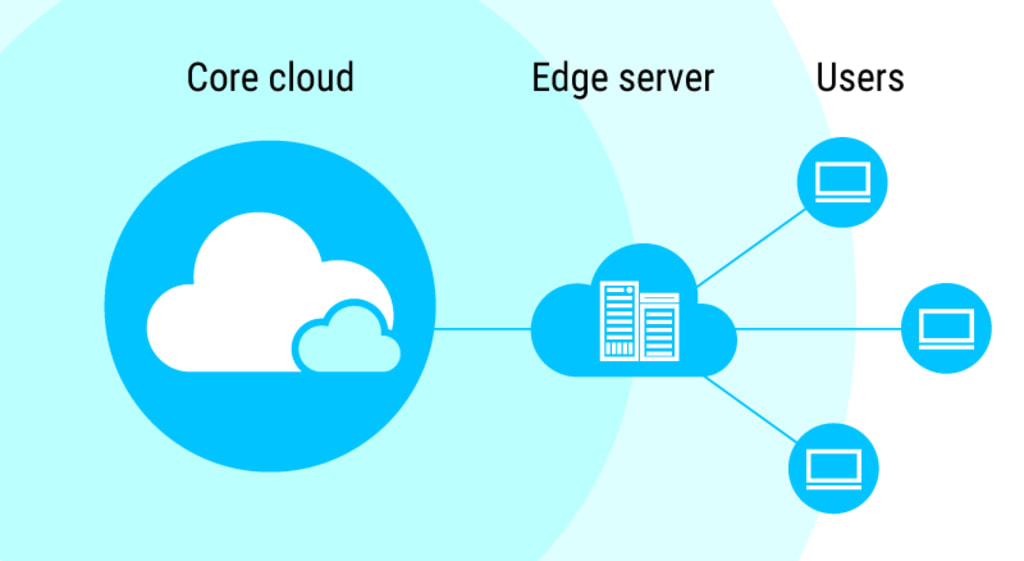
The network does not operate independently; instead, it depends on special computers that are positioned close to cities and towns. These computers do more than store files, since they also run code, filter attacks, and guide users to the best path. Each part connects to the next, so the whole system feels like one smart road that keeps cars moving.
In this guide, we will explore five clear ways that edge gear enhances CDNs and keeps the internet feeling fast and responsive.
1) Put Content Close: The Right “Edge Server” In The Right Place
A CDN wins when it places an edge server near the user, and this short distance cuts delay so videos start quickly and pages draw without heavy waits during busy hours. The edge server holds popular files, like images, scripts, and game updates, and it answers requests right away instead of asking a faraway data center for every byte.
This setup reduces load on the core and frees the backbone for traffic that truly must cross long routes, which keeps the whole network healthier.
When demand shifts, the CDN adds or moves capacity toward new hot spots, and that flexible map keeps performance steady across seasons, launches, and events that bring sudden crowds to a single region.
2) Cache Smarter, Not Just Bigger
Good caching makes the edge feel fast, and smart rules make the cache hold the right files at the right time, which saves bandwidth and lowers costs while users feel snappy speed.
Engineers set time-to-live values that match how often files change, and they split content by device type and language so each visitor sees correct data without waste. Fine-grained keys prevent one user’s data from leaking to another, and background refreshes keep hot items ready before they expire. When a file falls out of cache, the edge fetches it once and shares the result with many users, so one miss does not turn into a rush of duplicate trips to the origin.
- Choose cache keys that reflect cookies, device class, and language.
- Use “stale-while-revalidate” so users get fast answers while the edge refreshes quietly.
- Track hit ratio and tail latency, not only average load times.
3) Balance Traffic So No Server Breaks A Sweat
Crowds come in waves, and a CDN stays calm when it spreads requests across many edges and many origins while watching health in real time. Load balancers test endpoints, mark sick nodes, and steer traffic away before users notice trouble, which keeps sessions alive even when parts fail.
Geo-routing sends users to nearby points, while latency routing sends them to the path that responds fastest right now, and the system can switch styles when network conditions change. During big releases, the CDN shifts flows across regions and clouds, which prevents hot spots and supports a steady experience from morning through night.
4) Secure The Front Door With Layered Shields
Security works best at the edge because fast filters stop bad traffic before it burns expensive resources at the core, and that early stop protects both speed and cost. A web application firewall blocks common attacks, rate limits slow down bots, and DDoS shields soak up floods that try to drown a site during peak hours.
TLS termination happens close to users and keeps data private on the wire, while strict certificates and modern ciphers keep trust strong.Clear rules are written and frequently tested by teams, new patterns followed on logs, and this constant practice contributes to making the edge more of a guard than a guardian, which works nights and days without slipping.
5) Run Code At The Edge For Instant Decisions
CDNs now let small programs run right on the edge, and that power cuts round trips because the server makes choices near the user, not far away in a central region. You can rewrite URLs, personalize pages, pick image sizes for each screen, and add headers that guide caches, all without calling the origin for every step.
This approach reduces compute at the core and shrinks the time to first byte, which users feel as a crisp start when they open a page or tap a link during a commute. Teams deploy tiny functions through safe pipelines, roll back in seconds, and test new logic on a slice of traffic, which keeps changes fast and low risk.
A Warm Wrap-Up With Next Steps
You now have a clean view of how edge gear lifts CDNs, and each section points to a step that teams of any size can try without heavy risk. Start by placing content closer to your users, then tune caching and routing so requests follow short, healthy paths that stay strong during rush hours.
Add security controls at the edge, run small bits of logic near the visitor, and shape media to fit real screens and real links, because those moves deliver wins that people feel right away.
Keep watching the data and keep tightening the rules, and your CDN will stay quick, calm, and ready as your audience grows, your content changes, and your day fills with new ideas that travel across the network with steady speed.
About the Creator
Arthur Leo
Hii! Arthur Leo is a passionate writer covering technology, fashion, lifestyle, and health, blending insights on AI, style, wellness, and modern living.
Keep reading
More stories from Arthur Leo and writers in Gamers and other communities.
How Does Intel i7 vPro Support Advanced Virtualization and Cloud Solutions?
In the current business climate, companies need to be more prudent with their technology investments. For this reason, companies are using cloud computing and virtualization more to improve productivity, scalability, and affordability.
By Arthur Leoabout a year ago in Gamers
10 Board Games That Aren’t Boring
Ethnos This game is a mix between Lord of the Rings and Risk, but I do not like Risk and I love this game. With certain cards, you put a token on a city and gain points each round from how many tokens you put on that certain city or other cities. If you play with more than two people, you get three rounds. Depending on the types of cards you choose, you can steal others, play twice, place tokens wherever you want, etc. This game is very entertaining and strategic.
By Rich Burtonabout 4 hours ago in Gamers
U4gm Black Ops 7 Season 2: Black Ops Royale, New Maps, and Major Updates
Season 2 of Call of Duty: Black Ops 7 is finally here, and it’s packed with content that’s set to reshape the way players experience the game. From a brand-new battle royale mode to fresh multiplayer maps, Zombies updates, weapon balancing, and seasonal events, there’s plenty for both veterans and newcomers to explore.
By Dangyc Ding6 days ago in Gamers



Comments
There are no comments for this story
Be the first to respond and start the conversation.