
How 5G is Powering the Next Generation of AR Game
5G in AR Games

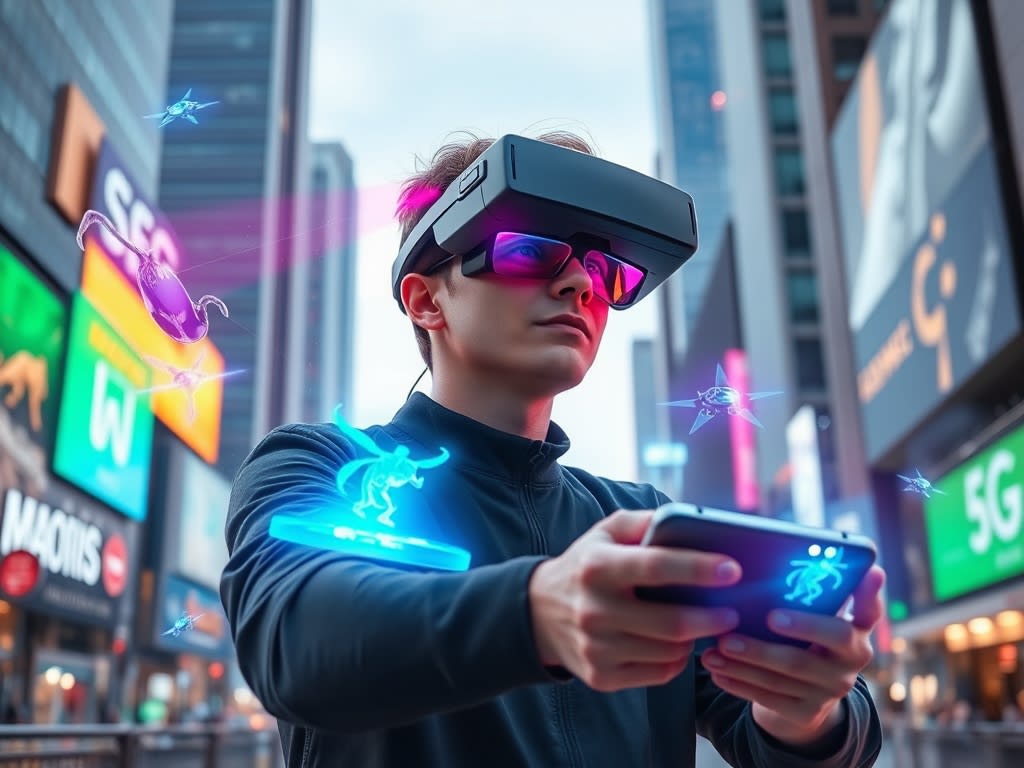
Augmented Reality (AR) gaming has evolved from simple camera filters and basic overlays into fully immersive, interactive experiences that blend digital elements with the real world. Over the past decade, AR titles like Pokémon GO, Harry Potter: Wizards Unite, and Ingress have captured global attention, proving the huge potential of AR in the gaming industry. However, one of the main challenges has been the limitations of network speed, latency, and processing power—all of which can break immersion and frustrate players.
The arrival of 5G technology is set to completely transform AR game development services, enabling developers to create richer, faster, and more interactive gaming environments. Unlike 4G, where latency often exceeded 50 milliseconds, 5G offers ultra-low latency—sometimes as low as 1 millisecond—along with much higher bandwidth. This means that AR games can run in real-time, process massive amounts of data instantly, and provide seamless multiplayer experiences without lag. For developers, this translates into the ability to build more complex, cloud-powered games with realistic visuals and instant responsiveness.
Why 5G is a Game-Changer for AR Gaming
1. Ultra-Low Latency for Real-Time Interactions
In AR gaming, even the smallest delay can ruin the experience. Imagine swinging a virtual sword or catching a digital creature, but the animation appears a fraction of a second later—that’s enough to break immersion. 5G drastically reduces latency, ensuring that every gesture, movement, and interaction happens in perfect sync with the real-world environment.
2. High Bandwidth for Richer Content
AR games are resource-intensive, requiring high-quality 3D models, animations, and audio assets to render smoothly. 5G’s bandwidth capabilities allow developers to deliver ultra-high-definition textures and complex visual effects without causing slowdowns or frame drops. This means that games can offer lifelike characters, realistic lighting, and detailed environments directly to mobile devices.
3. Cloud-Powered AR Gaming
One of the most exciting aspects of 5G is its ability to support cloud-based rendering. Instead of relying on a mobile device’s limited hardware, AR games can process graphics and AI logic on powerful cloud servers, streaming the results to the device in real time. This allows for console-quality AR games on smartphones and AR glasses, without draining battery life or requiring high-end hardware.
4. Seamless Massive Multiplayer Experiences
With 4G, supporting thousands of simultaneous players in a single AR world was challenging due to connection instability and slow data syncing. 5G makes massive multiplayer AR games possible, where hundreds—or even thousands—of players can interact in the same shared environment without connection drops or desynchronization.
5G and Location-Based AR Games
Location-based AR games, such as Pokémon GO, rely heavily on real-time GPS data and map overlays. In 4G networks, even slight delays could cause characters or items to appear out of sync with the player’s actual location. With 5G’s speed and accuracy, virtual elements can be placed exactly where they should be in the real world, creating a more immersive and believable experience.
This opens the door for advanced location-based concepts, such as AR treasure hunts, city-scale battles, or real-time sports simulations where physical and virtual gameplay merge seamlessly. For example, an AR zombie survival game could synchronize hundreds of players across different city zones in real-time, allowing them to fight virtual enemies together without noticeable lag.
Impact on AR Game Development Services
For developers and studios offering AR game development services, 5G brings a range of opportunities:
Greater Creative Freedom – Developers can create more complex AR experiences without worrying about bandwidth limitations.
Integration with Emerging Tech – AI, IoT, blockchain, and edge computing can be integrated into AR games for smarter, more interactive environments.
Cross-Platform Experiences – 5G makes it possible for mobile devices, AR glasses, and even AR-enabled wearables to work together in a shared game world.
Faster Development Cycles – With real-time cloud testing and instant multiplayer synchronization, developers can test and iterate more efficiently.
The Future of AR Gaming with 5G
The next generation of AR games will likely feature:
Photorealistic Graphics – Near-real-world visuals powered by cloud rendering.
Persistent AR Worlds – Virtual environments that exist and evolve even when the player is offline.
Hyper-Interactive NPCs – AI-driven characters that react dynamically to player actions.
Cross-Device Play – AR games that seamlessly transition between phones, AR glasses, and mixed-reality headsets.
As 5G adoption spreads, we can expect AR gaming to move beyond mobile screens and into public spaces, schools, events, and even workplaces. The technology will also benefit education, tourism, and retail by blending gaming mechanics with real-world applications.
Final Thoughts
5G is not just a faster version of 4G—it’s a complete shift in how digital experiences are delivered. For AR gaming, it means instant responsiveness, richer visuals, and multiplayer environments that feel truly alive. For companies investing in AR game development services, the opportunities are immense, from creating large-scale multiplayer experiences to designing lifelike, AI-driven game worlds. As the technology matures and more devices become 5G-enabled, we’ll see AR games that push the limits of imagination—offering players immersive adventures that were once considered science fiction.
About the Creator
Nidhi Gamer
Nidhi is a skilled content writer at BR Softech, specializing in gaming industry trends and SEO-friendly content. She crafts engaging blogs, guides, helping game developers stay ahead. Passionate about gaming and innovation
Keep reading
More stories from Nidhi Gamer and writers in Gamers and other communities.
Mobile Game Testing: Ensure a Flawless Gaming Experience
Nowadays, mobile games have become a cornerstone in this competitive gaming market. These mobile games are easy to access, provide fast gameplay, and eliminate the use of heavy consoles. We all know the outline of how these mobile games are, but have you ever wondered how a mobile game development process takes place? And what makes these games flawless? The answer is it's testing.
By Nidhi Gamer 12 months ago in Gamers
20 Horror Game Masterpieces to Play Before You Die
Horror games have a unique ability to evoke fear and adrenaline, making them a beloved genre among gamers. However, there are some horror video games that will blow your mind, and you should play them to experience the sensations they offer. For this reason, I asked the AI about the best horror video games available, since I find it difficult to choose among so many options.
By Ninfa Galeano4 days ago in Gamers




Comments
There are no comments for this story
Be the first to respond and start the conversation.