
Gamifying Chess for Gen Z: How to Make Chess Cool Again with App Development
Integrating Social Features, Rewards, and Custom Avatars to Modernize the Classic Game

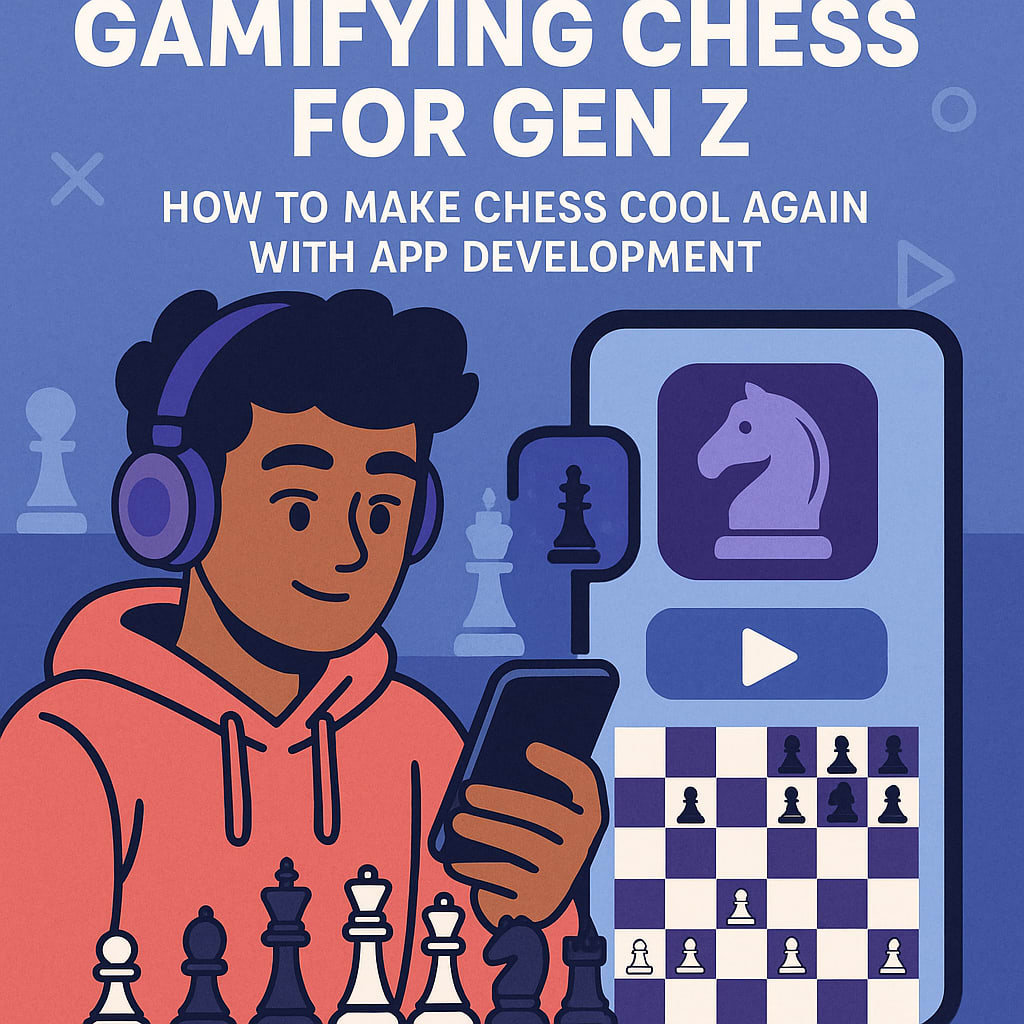
Getting Gen Z interested in chess (a traditional game) is as tough as talking to a brick wall. Of course, this generation loves fast, fun, and visually rich experiences, and why not? They are modern. So, how can we convince Generation Z to play chess? Well, the answer is short and simple: gamification in chess game development brings a fresh and fun twist.
Let’s dive deep into this article to explore how game developers can leverage modern tools and smart features to transform the classic game of chess into an exciting, addictive experience for young users.
Why Gen Z Needs a New Kind of Chess
Gen Z has grown up with smartphones, playing games with high-end graphics and interactive content. And how can they get attracted to a simple-looking chess game app? They prefer apps that offer more than just gameplay, they want entertainment, community, rewards, and a unique style.
Traditional chess apps often focus on serious players. They feature standard boards, plain designs, and minimal social features. That’s not enough to grab the attention of today’s youth. To reach Gen Z, chess needs to be reimagined.
How Gamification Can Transform Chess
Gamification means adding game-like elements such as rewards, levels, and achievements to make an activity more engaging. It can turn even the most serious games into something fun and social. Here is how gamification can help in chess game development:
1. Custom Avatars and Themes
Let users create their own avatars or customize chess boards and pieces with funky themes like neon, anime, superheroes, or even memes. This adds personal style and makes the app more enjoyable.
2. Daily Challenges and Rewards
You can add fun challenges like “Win in 10 moves” or “Capture the queen in 5 minutes.” Give coins, points, or badges as rewards. This keeps players coming back daily to collect more.
3. Level Progression
Introduce a leveling system where users earn XP (experience points) after each match. Unlock special content as they move to higher levels. It gives them a goal to aim for and makes progress visible.
4. Leaderboards and Tournaments
Gen Z loves competition. Add global and local leaderboards and organize regular online tournaments with prizes. This builds excitement and boosts community involvement.
5. Social Features
Let users follow each other, send friend requests, and chat during or after matches. You can also include features like team battles or clubs, which help in building a loyal community.
Features That Make a Chess App Gen Z-Friendly
To make your chess app stand out, developers must mix good UI/UX design with smart technical choices. Here are the key features that you must consider during chess game development:
Interactive Tutorials:
Instead of boring text, offer step-by-step, animated lessons that explain openings, tactics, and strategies in fun ways.
In-Game Emojis and Reactions:
Add reactions like “Wow!”, “Oops!”, or “Good Move!” to let users express themselves during games.
Push Notifications:
Remind users of daily rewards, challenge updates, or when friends are online. But keep it cool, don’t spam.
Multi-Device Syncing:
Allow users to switch between mobile, tablet, and desktop easily. Gen Z likes flexibility.
Offline Mode:
Let users play with AI or saved puzzles even without the internet. This is great for learning and practice.
Design That Speaks to Gen Z
Design is more than looks; it’s about how users feel while using the app. For Gen Z:
Use bold colors, smooth animations, and sleek layouts.
The interface should be clean and simple.
Add short animations for winning or losing, but make sure they aren’t annoying.
Tech Stack for Smooth Performance
To create a high-quality chess app, you need a strong backend and a smooth front-end experience. Here’s a basic idea:
Frontend: React Native or Flutter for cross-platform support.
Backend: Node.js, Firebase, or Python-based servers for real-time gameplay.
Database: MongoDB or PostgreSQL to store user and game data.
Game Logic: Use chess engines like Stockfish for AI, and integrate real-time sockets for multiplayer.
Monetization Ideas
Making the game fun is key, but earning revenue is also important. Here are some clean and user-friendly ways to earn through your chess app:
In-app Purchases: Sell board skins, power-ups (like hints), or avatar costumes.
Ads with Rewards: Let users watch short ads to earn coins or unlock puzzles.
Subscription Plans: Offer premium content like advanced tutorials or ad-free experiences.
Final Words
Chess is a powerful brain game, and with the right mix of tech and creativity, it can become popular again among Gen Z. With gamification, chess game development can unlock a new generation of chess lovers.
Developers have the tools to make this happen. All it takes is a fresh perspective and a deep understanding of what young users want today. With the right approach, chess can go from “boring and old-school” to “cool and competitive” once again.
About the Creator
PixelPlayground
PixelPlayground creates 1,000+ unique games across mobile, PC, and web. From casual fun to strategy, we deliver unforgettable gaming experiences for players worldwide.
Keep reading
More stories from PixelPlayground and writers in Gamers and other communities.
How to Choose the Right Rummy Game Development Company: A Complete Guide
In the fast-paced world of online gaming, rummy stands out as a favorite among card game enthusiasts. Whether you're an entrepreneur, investor, or game studio looking to expand, launching a rummy game app is a golden opportunity in 2025. But here’s the truth: your success largely depends on choosing the right rummy game development company.
By PixelPlayground9 months ago in Gamers
"Scream 7" (2026): Running out of Fresh Screams
This is the seventh time we’ve had a Ghostface crisis. Scream 7 is the latest edition of the Scream franchise. Sydney Prescott and her family are under attack by another anonymous killer dressed in a Ghostface costume. While having issues with her daughter, Tatum, they run from the bloody murders, trying to determine who is behind it all.
By Marielle Sabbag5 days ago in Horror




Comments
There are no comments for this story
Be the first to respond and start the conversation.