
Game Integrity vs. Player Freedom
The Battle Between Cheats and Fair Play

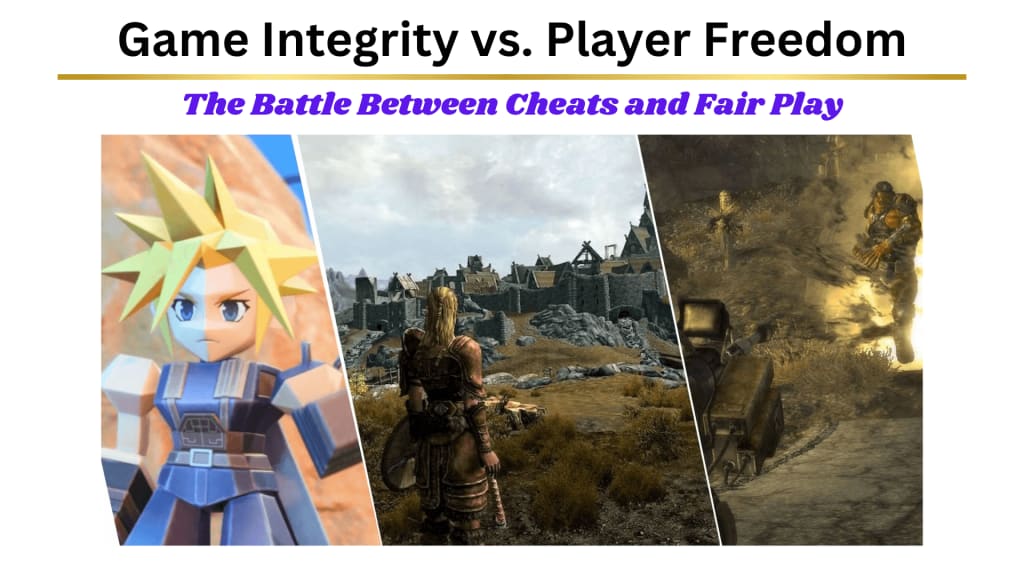
In the world of online gaming, a fundamental tension exists between preserving the integrity of the game and granting players the freedom to engage with it in creative or unconventional ways. On one side, there’s the desire for a structured, fair, and balanced experience that rewards skill, effort, and strategy. On the other, there’s the urge to explore, modify, and alter the game, often using cheats or third-party tools like Fluxus Executor in Roblox to bypass challenges or gain an advantage.
This discussion delves into the delicate balance between game integrity—the consistent, fair, and secure environment developers strive to maintain—and player freedom, which allows players to experiment, create, and sometimes break the rules. The rise of cheats, exploits, and modding tools has only intensified this conflict, raising crucial ethical and practical questions for both developers and players.
What is Game Integrity?
Game integrity refers to the preservation of a game’s core systems, mechanics, and balance as designed by the developers. This includes:
Fairness: All players are given the same opportunities to succeed based on their skills, not by external tools or cheats.
Security: The game environment remains free from external manipulation, such as hacking, cheating, or exploiting vulnerabilities in the code.
Consistency: The game’s rules and progression are stable, ensuring that experiences are predictable and that players aren’t met with unfair disruptions caused by Roblox exploit tools.
Maintaining game integrity ensures that players can trust the system. When people log into a game, they want to believe that their success or failure is a direct result of their effort, skills, and decisions—not because someone else is using cheats or exploits.
The Role of Player Freedom
Player freedom is the flip side of the coin. It involves allowing players to interact with the game world in ways that reflect their personal playstyles, creativity, and desires. Player freedom manifests in different forms:
Customization: Giving players the ability to modify their characters, settings, or environments to suit their personal tastes.
Modding: Allowing players to modify game files, create custom content, or even develop entirely new game modes or features.
Exploration: Offering players the ability to find new ways to interact with the game’s systems, even if that involves bending or breaking the rules (e.g., through exploiting game mechanics).
While game integrity emphasizes the importance of structure, player freedom is about personal expression, enjoyment, and, in some cases, experimentation. The debate becomes especially pronounced when freedom crosses into territory that compromises fairness, either through cheating, hacking, or exploits.
The Dark Side of Player Freedom: Cheats and Exploits
One of the most controversial forms of player freedom is the use of cheats, hacks, and third-party tools like Fluxus Executor in Roblox. These tools allow players to manipulate the game environment, often in ways that are not intended by the developers. For instance, players might:
Automate tasks: Some cheats let players perform repetitive tasks like farming resources or completing challenges without actively engaging with the game.
Gain unfair advantages: Players may use cheats to increase their in-game stats, teleport across maps, or bypass obstacles, effectively eliminating the challenge of the game.
Exploit bugs: Tools like Fluxus Executor allow players to exploit glitches in the game, breaking its mechanics for personal gain, sometimes even crashing servers or stealing items from other players.
These actions damage the overall game experience. For those who play by the rules, it creates a frustrating and unfair environment, where victory isn’t a reflection of effort but of having access to an exploit. In multiplayer environments, this undermines competition and can even drive away players who feel cheated.
The Impact of Cheats on the Gaming Ecosystem
Disrupting Player Experience: The most immediate impact of cheating is on the gameplay itself. When a player uses cheats to bypass difficulties or gain an advantage, it creates a stark imbalance in competitive games. For instance, a Roblox player using Fluxus Executor to hack their way through a game might ruin the experience for others who are playing fairly.
Hurting Developer Intentions: Developers spend significant time creating a balanced and engaging experience for players. Cheats like Fluxus Executor bypass these design elements, resulting in a game that doesn't reflect the developer's vision. This can lead to frustration for the development team, especially when the integrity of the game is compromised by external tools.
Monetary Impact: In free-to-play games like Roblox, exploits can have a direct financial impact. Players using cheats might bypass monetized features, such as in-game purchases, which negatively affects the game’s economy. Developers rely on fair player engagement to generate revenue, and cheating can erode that foundation.
The Case for Modding and the Positive Side of Player Freedom
While cheating has negative consequences, not all forms of player freedom are harmful. Modding, for instance, can significantly enhance a game’s appeal, longevity, and player satisfaction.
Creativity and Innovation: Players modifying games with new content—such as custom levels, skins, or even entirely new mechanics—can breathe new life into an old game. This is evident in the widespread modding communities of games like Skyrim or Minecraft, where mods have led to innovative expansions and features that developers never initially intended.
Community Engagement: Modding often strengthens the relationship between developers and their player base. In some cases, developers actively support modding, recognizing that it can generate excitement and prolong a game’s life cycle. For example, Roblox encourages user-generated content, allowing players to build their own games and share them with others.
Experimentation: Mods and creative exploration can sometimes reveal hidden aspects of a game’s design that may not be immediately visible to players. This kind of experimentation is often a source of enjoyment, as it gives players the freedom to find novel ways to interact with the game.
However, modding, like any form of creative freedom, must be done within the boundaries of fair play. The key difference between modding and exploiting is that mods should add value to the experience without disrupting others’ enjoyment or compromising the game’s integrity.
The Role of Developers and Moderators
Game developers and platform owners face the challenge of balancing these competing interests. Developers must ensure that the game remains fair and secure for all players, while also accommodating the creative desires of the community. Here are a few strategies:
Clear Guidelines: Developers must clearly define what’s acceptable within their game’s ecosystem. This includes establishing boundaries between acceptable modding and exploitative behavior.
Anti-Cheat Measures: Tools like Fluxus Executor can be counteracted by implementing anti-cheat software and frequent updates to patch known exploits. The goal is to make cheating more difficult while preserving a smooth player experience.
Community Moderation: Encouraging the community to police itself is essential. Players should report exploits or disruptive behavior, and developers should provide easy-to-use reporting systems to maintain a healthy environment.
Encouraging Constructive Freedom: Developers can support modding and user-generated content by providing tools that allow players to create in-game assets, scripts, or levels that enhance, rather than undermine, the game.
Striking the Right Balance
The battle between game integrity and player freedom boils down to this: how can developers and communities maintain a fair, enjoyable, and secure gaming experience while still giving players the freedom to express themselves and experiment?
The answer lies in fostering a gaming culture that encourages creativity within the constraints of fair play. This means providing tools for mods that enhance the game and its experience but actively discouraging or combating exploits and cheats that disrupt the integrity of the game. Players must also recognize their role in this ecosystem—using their freedom to create and experiment responsibly, without compromising the fairness that makes the game enjoyable for everyone.
Conclusion
In conclusion, while the desire for player freedom is valid and even essential for the evolution of gaming, it must be balanced by a commitment to fairness, security, and the overall integrity of the game. Cheats, exploits, and tools like Fluxus Executor can corrupt this balance, undermining the developer’s work and creating a toxic environment for players who wish to engage honestly. By encouraging responsible modding, strong anti-cheat systems, and a culture of respect, developers and players can coexist, ensuring that the gaming experience remains enjoyable and fair for all.
About the Creator
Muhammad Sajid
Abbas Ahmad is a passionate writer, storyteller, and creative thinker dedicated to sharing unique perspectives and inspiring ideas. With a knack for crafting compelling narratives, Abbas explores diverse topics.
Keep reading
More stories from Muhammad Sajid and writers in Gamers and other communities.
The Rise of Side Hustles: Redefining Work in the 21st Century
In the evolving landscape of work, a quiet revolution is reshaping the way we think about careers. Side hustles, once viewed as supplementary income streams, are now becoming essential components of many people's professional lives. Fueled by technology, changing economic trends, and a growing desire for autonomy, side hustles are challenging traditional notions of employment and empowering individuals to blend passion with practicality.
By Muhammad Sajidabout a year ago in Motivation
U4gm Diablo IV Season 11: Tier List and Class Meta Explained
Season 11 of Diablo IV, officially called the Season of Divine Intervention, has shaken up the game like never before. With revamped mechanics, new endgame challenges, and shifts in class balance, players are eager to know which classes dominate in the current meta.
By Billo Nali3 days ago in Gamers
Miss Persephone's Manual to a Seemingly Ordinary Life
Miss Persephone was found at the dining table, her blue eyes swollen, her tears arriving and retreating like the tides of the ocean. Earlier that day, her family had visited her in the retirement home where she had lived for eight years. It was her eightieth birthday.
By Imola Tóth5 days ago in Fiction



Comments
There are no comments for this story
Be the first to respond and start the conversation.