
Fun Things Near Me: What My Kid Needed More Than I Realized
trampoline park near me

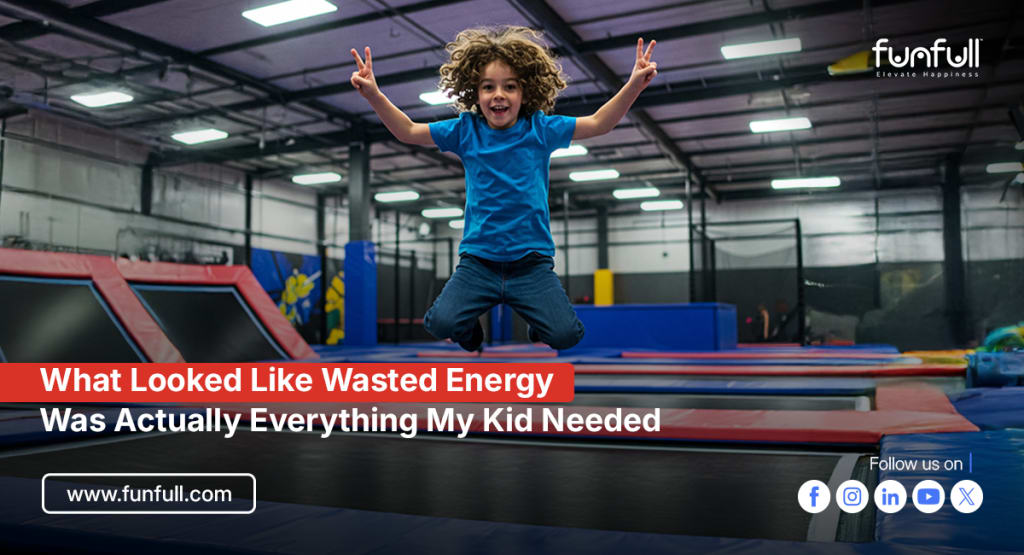
At first, I didn’t get it.
The jumping. The shouting. The sweaty hair and mismatched socks.
It looked like chaos.
Money paid to bounce off walls for an hour, only to come home exhausted and cranky.
Every time we went to a trampoline park near me, I’d watch my kid throw themselves into foam pits, flip across pads, and collapse in laughter—and I’d think:
How is this helpful? What are they even getting out of this?
And then I started paying attention.
Not to the bouncing.
But to what happened after.
What Looked Like Chaos Was Actually Regulation
It wasn’t just jumping. It was an emotional movement.
On days when school had been overstimulating...
On weekends when nothing else landed...
On afternoons full of "no’s"...
This was the yes.
The trampoline park wasn’t just a place to burn energy.
It was a place to release pressure—the kind of pressure kids don’t know how to name.
And once I stopped treating it like a silly outing, I saw it for what it really was:
A self-regulation tool
A nervous system reset
A place where kids can be loud, strong, and out of control—without being wrong
The Shift I Didn’t Know I Needed
I used to think parenting meant guiding everything.
Keeping things calm. Productive. Teaching structure.
But I missed this: kids don’t need help calming down until they’ve had the chance to go up first.
That trampoline hour? It was the emotional exhale I didn’t know my child was holding in.
And the more I let go of my expectations, the more I started noticing what was actually being built:
- Resilience
- Confidence
- Social tolerance
- Body awareness
- Laughter that didn’t need a reason
It was never about wasting energy.
It was about releasing what they couldn’t carry anymore.
We Call It Play. But It’s So Much More.
Places like this—bounce zones, family fun centers, movement-heavy attractions—they aren’t just distractions.
They’re safe chaos containers.
Because here’s the truth:
Most kids don’t get enough unfiltered movement.
They get directed, managed, and told to settle.
Even recess has rules.
So when they walk into an open play space that says, “Jump, yell, run, fall—it’s okay,” something powerful happens.
They start:
- Making choices faster
- Taking social risks
- Getting out of their heads and into their bodies
- Regulating emotions before they even know they are carrying them
And the connection after?
Softer. Calmer. Easier.
Because the pressure is gone.
The release already happened.
This Is the Kind of Weekend Activity That Sticks
Now, we plan it in.
Not as a reward. Not because we “have to do something.”
But because this is part of our rhythm now.
It’s how we reset.
Of all the weekend activities for families out there, this one checks every box:
- No prep needed
- No forcing conversation
- No correcting behavior
- Just movement, emotion, and time side by side
What used to feel like wasted energy now feels like a gift I give my kid that gives back to all of us.
Because of the calmer evening? The smoother transitions?
They’re not accidents.
They’re the result of what happened when we let it all out in a space built for exactly that.
Final Thought: Sometimes the Most Pointless Things Are the Most Purposeful
Parents want to do the right thing.
We schedule the lessons. We pick the enriching outings. We aim for balance.
But sometimes, what looks like “just chaos” or “just play” is the most purposeful hour of the week.
A kid who bounces until they fall over is a kid who’s letting something go.
And when they land—literally or emotionally—they’re often more regulated than if they’d sat quietly for an hour.
So if you’ve ever watched your child jump nonstop and wondered,
“Is this even doing anything?”
The answer is yes.
It’s doing everything.
FAQ: Understanding the Value of Trampoline Play
1. Is trampoline play just physical, or does it help emotionally, too?
It absolutely helps emotionally. Bouncing regulates the nervous system, helps release stress, and builds resilience through trial and error, especially for kids who don’t express their feelings easily.
2. My child just runs wild at the trampoline park. Are they even gaining anything from it?
Yes. What looks like chaos is often structured processing in disguise. They’re learning balance, boundaries, body awareness, and self-trust—all while having fun.
3. How long should a visit last for it to be effective?
Even 30–45 minutes is enough for most kids. It’s not about how long they jump—it’s about letting their body cycle through energy and settle naturally afterward.
4. Can it help with behavior problems or bedtime struggles?
Yes. Many parents notice calmer evenings, fewer meltdowns, and better sleep after trampoline sessions. Physical play clears mental and emotional buildup better than talking can.
5. What’s the best time of day to go?
Late afternoon or early evening is ideal -—after school, before dinner, or right before the screen-time battle begins. It helps break tension and transition into night smoothly.
About the Creator
Funfull
Funfull is a platform that allows family and friends to enjoy their time together at the best amusement parks and fun places across seven markets (MD, DE, VA, IL, MO, PA, ID) in the US.
Black Ops 7 Season 02 Reloaded Arrives With a Real Mid-Season Shift
Call Of Duty: Black Ops 7 Season 02 Reloaded arrives on March 11 at 9 AM PT, and the update does more than drop a few new items into the rotation. Many players already switch between intense ranked sessions and relaxed evenings with friends, so changes like this quickly affect the daily routine. The update adds fresh fights, new map routes, and more ways to build an operator. Some players even warm up in a CoD BO7 Bot Lobby before jumping into public matches, and after this patch that kind of preparation might matter more than before. The update does not force players into a long grind. Instead, it adds new layers to familiar modes so the experience feels different without replacing what already works.
By Smsankar Goswami7 days ago in Gamers
U4gm Black Ops 7 Season 2: Black Ops Royale, New Maps, and Major Updates
Season 2 of Call of Duty: Black Ops 7 is finally here, and it’s packed with content that’s set to reshape the way players experience the game. From a brand-new battle royale mode to fresh multiplayer maps, Zombies updates, weapon balancing, and seasonal events, there’s plenty for both veterans and newcomers to explore.
By Dangyc Ding8 days ago in Gamers
Why Didn't Anyone Tell Us
Men, move along. This is not for you. This is for the women. I was forty-five when I began menopause. It is pretty young for that to be going on in a woman’s life, but I had undiagnosed PCOS, my entire life. Thank you to all the gynecologists I had seen my entire life. That in itself should encourage women to keep seeking second opinions, especially when you are not getting correct answers or any at all.
By Alexandra Grant2 days ago in Humans




Comments
There are no comments for this story
Be the first to respond and start the conversation.