
From Concept to Card: The Journey of Card Game Development
Card Game Development

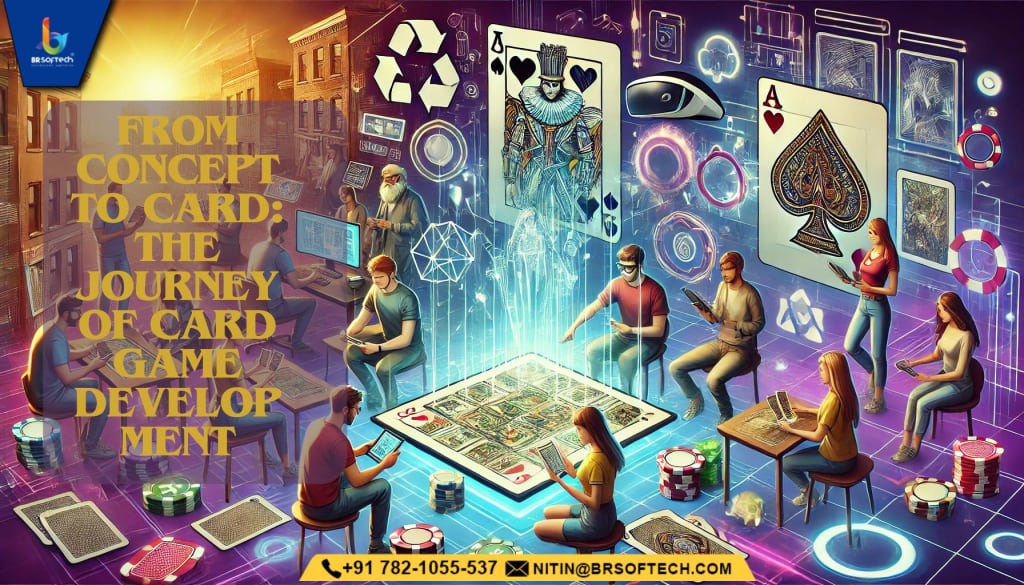
Card games are mostly liked by players because of their blend of strategy, skill, and chance. Whether it’s a traditional card game like Poker or an innovative collectible card game like Pokémon, every deck starts with an idea and you are hooked by it in most scenarios. But turning that traditional game or collectible game into its online version involves creativity, design, testing, and production. Let’s take a glance at the step-by-step development journey of a card game.
The Concept Phase
Defining a concept is the fundamental and first step in developing an online card game. The developers need answers from their clients as to the type of card game will it be, for example, strategy, role-playing, party, etc. The next thing on the list is the target audience. Furthermore, knowing the themes, mechanics, or inspirations is also crucial in developing the UI of the game.
The research comes first while indulging in the concept phase. Studying successful card games and identifying the latest market trends and gaps can help you refine your concept. Brainstorming comes next after research. Generating innovative ideas for gameplay mechanics and themes comes from brainstorming.
Once we are done with the concept, the development of core mechanics takes place. Establishing the basic rules, such as how cards interact or how players win are part of the core mechanics development. For example, for a fantasy-themed CCG, the concept might involve players building decks to summon creatures and cast spells in a mythical realm.
Game Design
Post the core mechanics, the designers come into place and the game design phase starts. This involves defining the structure, rules, and UI of the game. The key elements of designing include defining the card types and their functions, for example, will it be action cards, character cards, or just simple Uno cards. The game design also includes merging the rules and mechanics in the game, how will the gameplay evolve in terms of turns, drawing of cards, and their functions. Developers also need to ensure that one card strategy should not overpower other strategies and there is a balance in the game.
Prototyping and Playtesting
This stage is all about testing the design to ensure it’s fun, fair, and functional. Developers create rough versions of the game and test them with small groups. The idea of testing is to identify the bugs or the flaws in the game or rules so that they can be taken care of before the deployment of the game. The balance and the scalability of the gameplay are also tested, and feedbacks are allocated from the testers. This process takes on for a few months and as it is an iterative process and based on the feedback, developers make changes to the game.
Artwork and Aesthetic Design
Visuals and aesthetics play a significant role in card games, especially in collectible and trading card games. A compelling aesthetic can enhance the game's appeal, and users can flex lucrative cards in front of their friends. The major tasks involved in creating card designs are curating layouts that appeal to the user's eyes, and seem functional. The information and pictures on the card should be easy to assess and must look aesthetically beautiful.
Then comes the artwork of the characters, make sure that the illustrated characters, items, and setting align with the game's theme and corroborate with the gameplay. Lastly, the branding phase comes where you need to intricately design the logo of the game to get easily recognized in the market. Having good promotional materials for your game will help you generate revenue. Digital card games require special attention towards animation and effects to enhance the player experience.
Production and Manufacturing
For physical card games, production involves printing and assembling the cards, packaging, and any additional components like dice or game boards. You must only choose high-quality materials for durability which will ensure consistent printing for all cards. The production and manufacturing phase also includes managing the budget and production costs to align with the game's price point. For digital card games, this phase involves coding and integrating assets into a game engine, as well as optimizing for platforms like PC, mobile, or consoles.
Marketing and Distribution
A card game needs visibility and accessibility to get success in the market. This phase focuses on promoting the game and making it available to players. The marketing strategies include crowdfunding campaigns to generate funds and create hype around the game. Social media campaigns and collaboration with influencers are a part of this phase. Gaming conventions must be set up to showcase the gameplay in front of a broad audience.
Launch and Post-Launch Support
The game’s release is just the beginning. Building hype and making sure it reaches the audience is a big step. Moreover, regular updates keep the game fresh, relevant, and engaging. Post-launch activities may include expansion in the number of cards and other updates. Adding new mechanics to give an element of surprise to the users. Host regular community engagement events and tournaments, and create forums for building a community that indulges in game-related discussions.
Challenges in Card Game Development
Game balancing is one of the bigger challenges in card game development. Ensuring no single strategy trumps other strategies is a major task. Mechanics should be in a way that they are easy to learn and hard to master so that they contain a touch of addiction. Player engagement will only increase once your game has an addictive side to it. Another challenge is balancing quality and production cost, you must ensure that the game gets developed and deployed affordably so that you can easily build an ROI around it.
Standing out of the crowd is another challenge that developers face. Make sure your title has elements that stand out and excite players.
Conclusion
Creating a card game is not an easy task but it is very lucrative in nature. From ideation to gameplay mechanics, every stage requires creativity, collaboration, and dedication. Whether you develop a physical card game or digital, the games continue to capture audiences and promise a sustainable future, proving that the journey from concept to card is worth the effort.
About the Creator
Ankit Vijaywargiya
I am Ankit Vijaywargiya, a Digital Marketing Analyst at BR Softech, a leading company in the game development industry. My expertise lies in analyzing market trends, optimizing digital strategies, and help game developers.
Keep reading
More stories from Ankit Vijaywargiya and writers in Gamers and other communities.
Key Features of Online Roulette Game Development That You Should Not Avoid
Online Roulette games have emerged as an indomitable force in the casino industry. It is an iconic game that was the highlight of physical casino floors. Over the years, the game has undergone various advancements and emerged as a primary driving force in the industry.
By Ankit Vijaywargiyaabout a year ago in Gamers
Essential Golf Tips Every Beginner Needs to Improve Their Game
Golf is a rewarding sport that combines skill, patience, and strategy. For beginners, the game can feel challenging because it requires mastering several techniques at once. Many new golfers focus too much on hitting the ball far instead of learning the fundamentals that lead to consistent performance. Improvement comes from developing good habits early, practicing with purpose, and understanding how each part of the game works together. With the right approach and consistent effort, beginners can build confidence and steadily improve their performance on the course.
By Daniel Ladner3 days ago in Gamers
7 Methods to Earn MLB The Show 26 Stubs Fast
In MLB The Show 26, stubs are the in-game currency that players use to purchase packs, cards, and other valuable items. Earning stubs can be challenging, but with the right strategies, you can accumulate them efficiently. Here are seven methods to help you earn stubs quickly without feeling overwhelmed.
By Snow manera day ago in Gamers


Comments
There are no comments for this story
Be the first to respond and start the conversation.