
Crisis Core Reunion
Bringing a PSP Gem to a New Generation

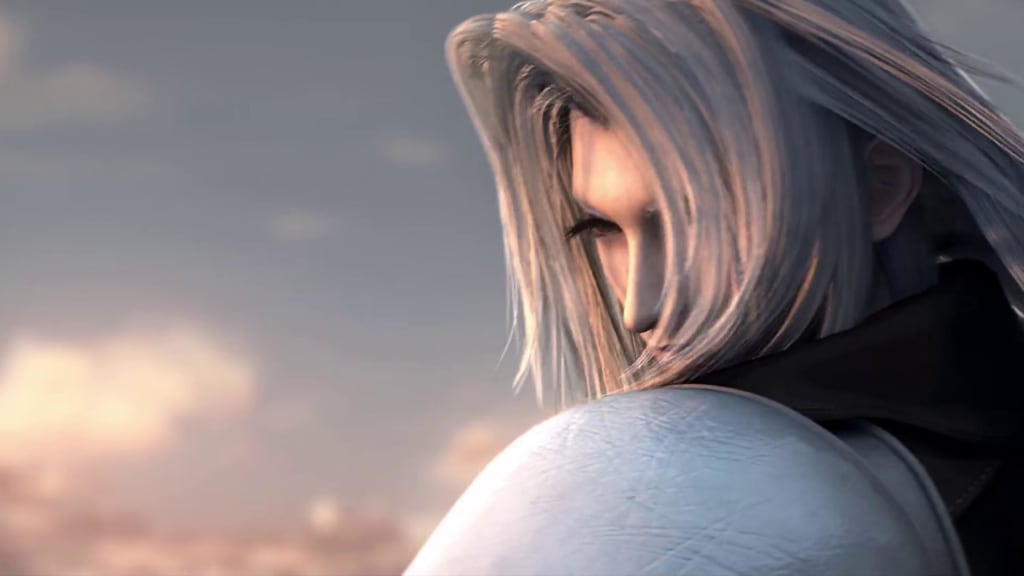
Crisis Core: Final Fantasy VII was a hidden gem limited to the PSP, crafted to tell the story of SOLDIER member Zack Fair and a must-play for any fan. Few could have predicted the arrival of a full Final Fantasy VII Remake. Still, for newcomers to grasp the characters and their backstories, playing Crisis Core was essential. Thankfully, Square Enix has ensured no one misses out with the release of Crisis Core: Final Fantasy VII Reunion, a faithful 1:1 remake featuring a host of enhancements. For anyone who buy cheap PS4 games, it’s the perfect opportunity to experience this essential prequel without paying full price.
Voice Acting and Audio Upgrades in Crisis Core Reunion
Crisis Core: Final Fantasy VII Reunion follows Zack Fair. His name may ring a bell for those familiar with FF VII, though he largely exists in the background of the main story. In this prequel, Zack plays a far more central role, influencing Cloud’s motivations, affecting the Turks, and connecting with Shinra’s elite, including Sephiroth. Simply put, Zack is one of the most compelling characters in the series that many players may not know. He is also arrogant, impulsive, heroic, and impressionable. During his SOLDIER training, his teenage tone and dialogue reflect his age—a fresh touch in the updated English voice-over.
On a mission to attack a Wutai fortress, his mentor Angeal lets him handle it alone. Shortly after, it’s revealed that an ex-SOLDIER, Genesis, has learned to create copies of himself and rebels against Shinra. This sets off a chain of events involving Sephiroth, Angeal, and Director Lazard, with Zack caught in the middle, piecing together the unfolding chaos. At its core, the story explores honor and the consequences of one’s choices, but nothing is ever as simple as picking a side.
The narrative is the game’s standout feature. The developers emphasize it heavily, often taking control away from the player to drive story moments, which can be frustrating if you just want to play. Optional missions help offset this pacing, but more on those later.
The new English voice-over initially caused some confusion among fans, but it aligns the cast with their Final Fantasy VII Remake counterparts. It takes a bit of adjustment, but the choice becomes clear as the story unfolds. Additionally, the audio mixing has been significantly improved, heightening the impact of key moments. For those who prefer, the Japanese voice-over remains an option, featuring Gackt as Genesis.
Missions, Shops, and Strategic Combat in Crisis Core
The gameplay clearly shows its PSP origins, with small dungeons, recycled enemies, and repetitive missions. That said, Square Enix has tried to offset this with optional side-quests, mini-games, and extra features. Side-quests take place across Midgar, particularly around Sector 8. There’s no fast travel, but the areas are compact enough that moving from one location to the next isn’t cumbersome. These side-quests vary, from speaking to NPCs to conducting investigations, providing a nice break from the main story. The game also reminds you when you’re at a point of no return so you can finish any unfinished tasks. For those who buy cheap PS5 games, it’s a chance to enjoy these extras and quality-of-life features without paying full price.
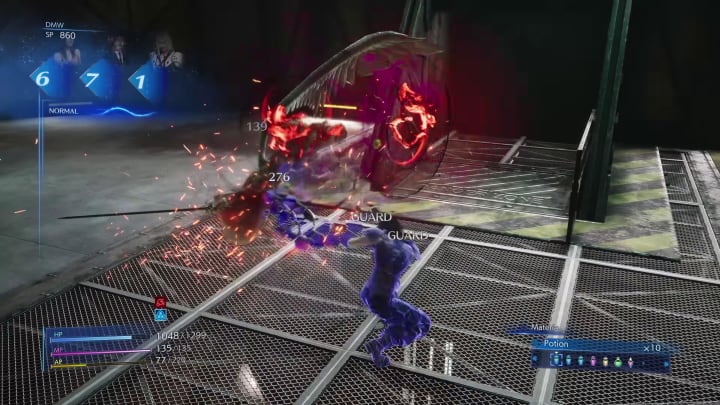
Combat is tied to a simple melee combo on one button, with AP and MP bars enabling extended melee attacks and magic via L1 and equipped Materia. Each action is linked to Materia, and there’s a lot of it. With Materia Fusion, players can create countless combinations, from elemental melee strikes to throwing Gil at enemies. Mastering this system can make you extremely powerful—sometimes even to the point of breaking the game—but guides cover the best setups.
Shops exist but require missions to unlock. Missions are accessed from a Save Point and usually involve defeating a monster. Once selected, you’re transported to a dungeon to locate and defeat the target. Veteran players will note you can still hug walls to avoid most encounters. A new feature lets you restart a fight after dying, which is especially helpful since some enemies have Death attacks capable of wiping you out instantly.
Then there’s the quirky roulette wheel during battles. Spending 10 SP spins the wheel automatically, eventually giving you a beneficial result that matches character faces and numbers. Your chances improve depending on your relationship with the character, and special Materia can further increase your odds.
A Remaster That Honors the Legacy of Final Fantasy VII
When you match characters, you can trigger a Limit Break, which works similarly for Summons. Each character has a unique attack, but spins can also grant temporary unlimited MP or AP or “Break” your gauges, giving more HP, MP, or AP than the usual cap. Additionally, SP is spent to fuse Materia, which can limit how powerful your loadout becomes.
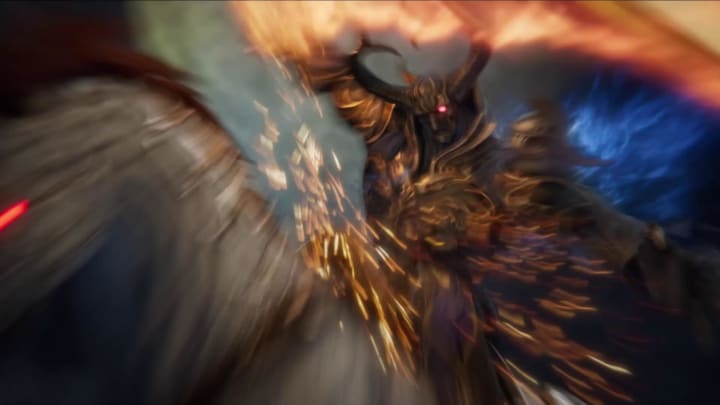
Regarding the remaster, graphically this feels like an entirely new game, with visuals reminiscent of Final Fantasy VII Remake. Occasionally, you’re reminded of its age during segments like slicing missiles or completing one-off stealth missions, which can break immersion. Still, the revamped combat is smooth and responsive, keeping you engaged. A new Buster Sword stance delivers a heavy-hitting attack while improving Zack’s ability to wield the weapon.
Crisis Core: Final Fantasy VII Reunion exemplifies what a remaster should be. It’s the same beloved game, but enhanced with updated graphics, controls, and combat, making it a far more polished experience. While the mission structure can feel repetitive at times, there’s a wealth of content for both new and returning fans. This release is essential for anyone looking to fully appreciate the story and legacy of Final Fantasy VII.
About the Creator
SEA THIEVES
I am SEA THIEVES – I dive deep into video games, hunting for hidden gems and exposing the ones that sink.
Keep reading
More stories from SEA THIEVES and writers in Gamers and other communities.
Zack Fair’s Journey Before the Epic Begins
After playing Crisis Core: Final Fantasy VII for a third time in its newly refreshed and revitalized form, Crisis Core – Final Fantasy VII – Reunion, one thing became clear – this is a true remaster. It’s more than just a simple upscale or a cosmetic update; it’s a carefully reconstructed and retooled version that modernizes a 14-year-old handheld game while preserving the essence of the original. In short, it’s both the best way to experience Crisis Core and a strong new release on its own merits. For those who buy cheap PS4 games, it’s a chance to enjoy this definitive version without paying full price.
By SEA THIEVES6 months ago in Gamers
10 Board Games That Aren’t Boring
Ethnos This game is a mix between Lord of the Rings and Risk, but I do not like Risk and I love this game. With certain cards, you put a token on a city and gain points each round from how many tokens you put on that certain city or other cities. If you play with more than two people, you get three rounds. Depending on the types of cards you choose, you can steal others, play twice, place tokens wherever you want, etc. This game is very entertaining and strategic.
By Rich Burtonabout 7 hours ago in Gamers
Rsvsr Fallout 76’s Backwoods Update: Bigfoot, Uninvited Guests, and a Wilder Appalachia
Fallout 76 has always been a world of danger and unpredictability. From radiation storms to roaming super mutants, Appalachia is full of surprises—but the “The Backwoods” update (Patch 66) makes the wasteland feel more alive, wild, and deadly than ever.
By Dangyc Ding6 days ago in Gamers


Comments
There are no comments for this story
Be the first to respond and start the conversation.