
Creating Memorable NPCs: A Guide for Dungeon Masters
How to Build Engaging, Unforgettable NPCs That Bring Your D&D World to Life

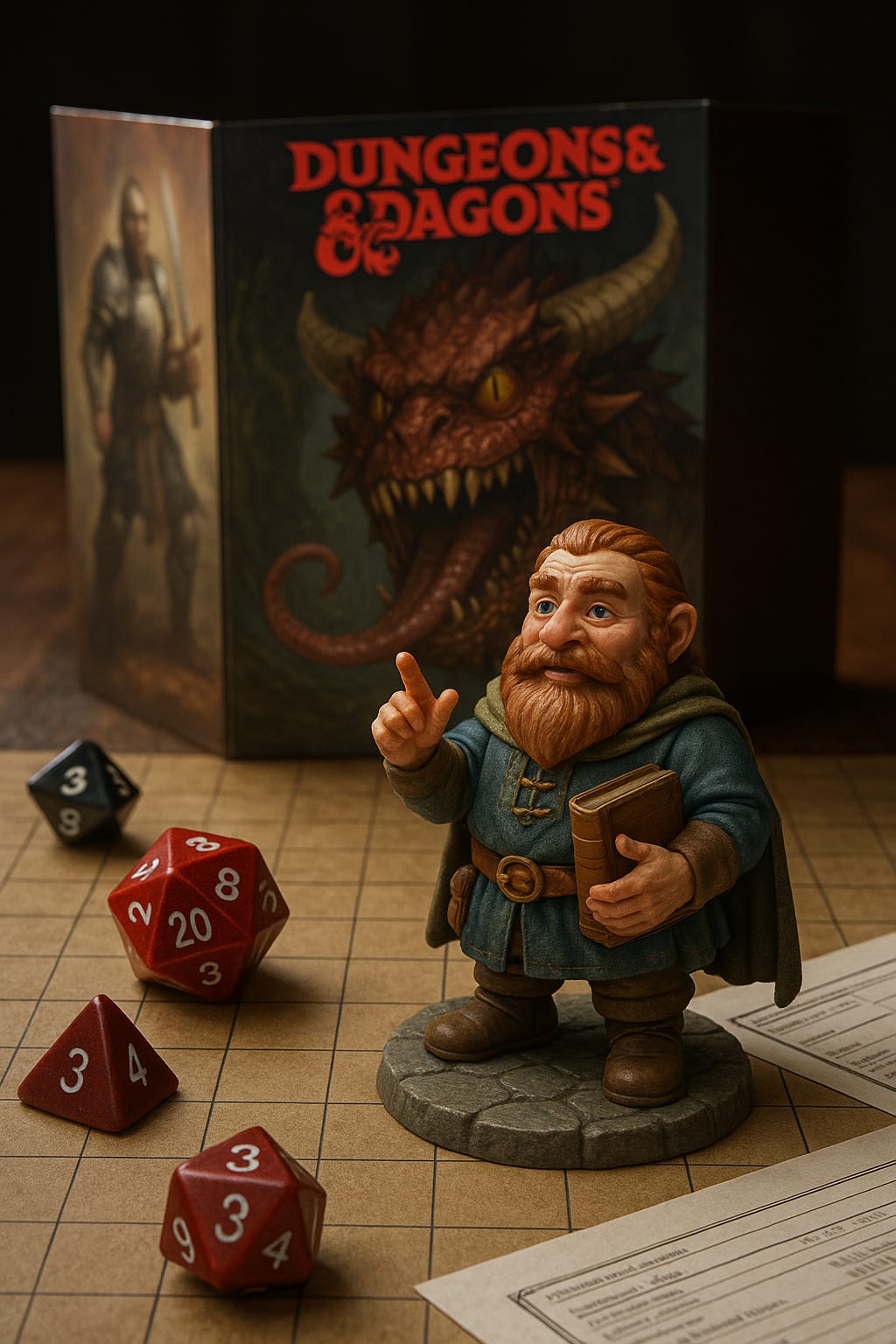
In any Dungeons & Dragons campaign, your players might expect epic battles, ancient dragons, and magical artifacts—but what they'll remember most are the characters they meet along the way. Non-player characters (NPCs) are more than just background noise or quest dispensers. When crafted well, NPCs bring your world to life, enrich your storytelling, and offer players emotional investment beyond the next encounter.
Whether you're a seasoned Dungeon Master or just starting out, this guide will walk you through everything you need to know about creating memorable NPCs that your players will talk about long after the dice have stopped rolling.
Why Memorable NPCs Matter
NPCs are your players’ primary link to the world you've built. Through them, you can convey lore, set the tone of a town, or create moral dilemmas. But more importantly, NPCs can:
- Serve as emotional anchors in the campaign
- Provide comic relief, conflict, or camaraderie
- Deepen immersion and player engagement
- Offer plot hooks and side quests naturally
Well-designed NPCs can turn a standard dungeon crawl into a rich narrative experience.
Step 1: Start with a Purpose
Every NPC should serve a narrative, mechanical, or emotional function in your game. Ask yourself:
- Is this NPC delivering a quest?
- Do they represent a faction or power in the world?
- Will they become a rival, ally, or complication?
Once you define the purpose, you can avoid overdeveloping characters who only appear briefly and give extra attention to recurring or impactful ones.
Quick Tip: Don’t create a full backstory for every NPC. Focus your energy on those who will appear multiple times or have major influence on the campaign’s direction.
Step 2: Focus on One or Two Defining Traits
When designing memorable NPCs, less is more. Pick one or two key personality traits that define them. These traits can be exaggerated or subtle, but they should stand out in contrast to the setting or other NPCs.
For example:
- A grim dwarven blacksmith who recites poetry
- A noblewoman obsessed with beetles
- A goblin shopkeeper who’s overly polite and wears a monocle
These details stick in players' minds far more than a long monologue or a full character sheet.
DM Trick: Tie a trait to how you roleplay the NPC. Use a physical gesture, speech pattern, or catchphrase. This creates instant recognition and consistency.
Step 3: Use Voice and Mannerisms to Differentiate
You don’t need to be a voice actor to create distinctive characters. A few simple tricks can make a huge difference:
- Speak slowly and thoughtfully for a wise old wizard
- Use short, choppy sentences for a nervous street urchin
- Add a repeated phrase like "you feel me?" or "by the stars!"
Physical mannerisms like wringing hands, constantly looking over their shoulder, or tilting their head when confused also make your NPCs come alive.
Step 4: Give Them Motivations, Not Just Roles
Even a minor NPC should have internal motivations. These don’t need to be complex, but they should be consistent. Ask:
- What does this NPC want right now?
- What do they fear or dislike?
- How do they feel about the party?
By grounding even basic characters in a desire or goal—whether it’s love, revenge, greed, or curiosity—you’ll naturally roleplay them more consistently and realistically.
Step 5: Use Relationships to Tie NPCs to the World
NPCs become more memorable when they’re part of a larger web. Give them relationships:
- The tavern keeper is the mayor’s brother
- The eccentric wizard owes a life debt to a rogue thief
- The town guard’s captain is dating the rival gang leader
These connections give the world a sense of depth and continuity, and they can pay off when players realize that helping one NPC might complicate their relationship with another.
Narrative Bonus: Relationships also give you more ways to emotionally affect players. If a beloved NPC is put in danger, the stakes feel real.
Step 6: Let NPCs Evolve Over Time
Just like the player characters, NPCs should change based on what happens in the world.
- An arrogant prince humbled by failure
- A meek shopkeeper rising to lead a resistance
- A villain who starts to question their cause
When your players see that their actions impact NPCs, it reinforces their agency and investment. Let characters grow, suffer, and even surprise the party with new decisions.
Step 7: Don’t Be Afraid of Imperfection
Sometimes you’ll create an NPC on the fly—a merchant, a guard, or a passing traveler—and they’ll click with your players in ways you never expected. Embrace it.
Some of the most beloved NPCs start as jokes or improvised throwaways. If your players latch onto one, develop them further. Give them a name, a voice, a role. Let them become something bigger.
Remember: You don’t need to have everything planned. Great storytelling often happens in the moment.
Bonus Tips for Quick NPC Generation
If you’re short on prep time, try these fast tricks:
Use real-world archetypes: A grumpy grandpa, an overenthusiastic intern, a nosy neighbor.
- Random tables: Keep a few tables handy for names, quirks, and jobs.
- Borrow from fiction: Reskin your favorite characters from books or shows.
- Also, tools like NPC generators or prompt cards can give you inspiration in seconds when you’re running a session on the fly.
NPCs as the Soul of the Story
NPCs are the heartbeat of your campaign. They’re how players interact with your world, how you deliver emotion and conflict, and how you turn a session from “we fought goblins” into “remember that time Gregor the Butcher gave us a ride to the haunted lighthouse?”
Don’t worry about perfection. Focus on consistency, personality, and purpose. If you give your NPCs just a little life, your players will do the rest.
Want to Save Time While Still Creating Great NPCs?
Consider building a small “NPC bank” between sessions. Keep a list of reusable names, quirks, and job roles you can grab at a moment’s notice. The more tools you give yourself, the easier it becomes to improvise seamlessly during play.
Stay creative, and happy worldbuilding!
About the Creator
Richard Bailey
I am currently working on expanding my writing topics and exploring different areas and topics of writing. I have a personal history with a very severe form of treatment-resistant major depressive disorder.
Keep reading
More stories from Richard Bailey and writers in Gamers and other communities.
Best Class Builds for PvE in Diablo Immortal (2025 Guide)
Diablo Immortal offers a fast-paced, action-RPG experience that rewards players who master their class and gear up effectively for endgame PvE content. Whether you're grinding through Hell Difficulties, clearing Elder Rifts, or farming Dungeons for legendary gear, having the right class build is critical for PvE success.
By Richard Bailey10 months ago in Gamers
Andreas Szakacs Launches Independent Production Company as Summitfall Enters Production
The move marks a notable shift in Szakacs’ professional trajectory — transitioning from performance-focused projects to a broader role in development, financing, and creative oversight.
By Andreas Szakacs4 days ago in Gamers




Comments
There are no comments for this story
Be the first to respond and start the conversation.