
Blockchain-Based Board Games: Enhancing Player Ownership and Game Transparency
oard Game development

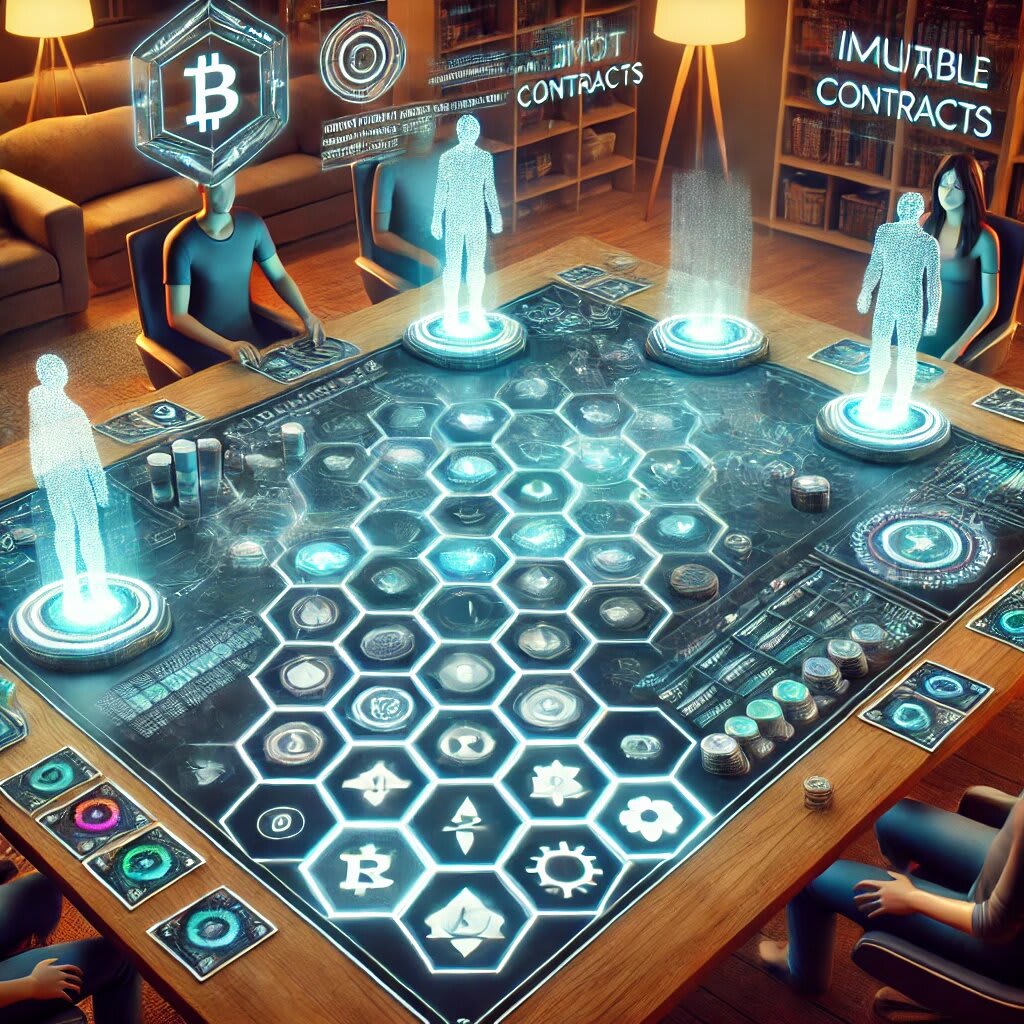
The board game industry has seen a remarkable transformation with the integration of blockchain technology. This innovation is not only modernizing how board games are played but also redefining the core elements of player ownership and transparency in gameplay. By leveraging blockchain, developers can create immersive experiences that appeal to enthusiasts seeking greater control and trust in their gaming endeavors.
Player Ownership: A New Era of Gaming Assets
One of the most significant impacts of blockchain in board games is the introduction of true player ownership. Traditionally, in physical and digital formats, game assets such as tokens, cards, and characters are either confined to the game’s ecosystem or controlled by the publisher. Blockchain changes this dynamic by enabling the tokenization of game assets. Through the use of non-fungible tokens (NFTs), players can own unique, tradeable items that exist independently of the game’s central servers.
For example, a rare character card in a collectible board game can be minted as an NFT, allowing players to buy, sell, or trade it on decentralized marketplaces. This ownership is verifiable and secure, offering players a sense of investment and exclusivity previously unavailable in traditional formats.
Game Transparency: Building Trust Among Players
Blockchain also addresses one of the longstanding challenges in the gaming world: ensuring fairness and transparency. Smart contracts, the backbone of blockchain-based systems, enable automated and tamper-proof execution of game rules. This eliminates the possibility of cheating or manipulation, ensuring that all players operate on a level playing field.
For instance, in competitive types of board game experiences, every move or outcome can be recorded on the blockchain, making it immutable and accessible to all participants. Players no longer need to rely solely on the game developer’s integrity, as the decentralized ledger acts as an impartial referee.
Benefits for Developers and Players
The integration of blockchain doesn’t just benefit players; it also opens new doors for board game developers. By creating tokenized economies within games, developers can introduce innovative monetization strategies. Instead of relying on traditional sales models, they can earn revenue from transaction fees in secondary marketplaces or through the creation of limited-edition assets.
Moreover, blockchain enables crowdfunding opportunities. Developers can launch a project by pre-selling tokenized assets to enthusiasts, ensuring financial backing and fostering community engagement from the outset. This democratized approach to game development can lead to more diverse and innovative creations in the board game space.
Challenges and the Road Ahead
Despite its potential, the adoption of blockchain in board games is not without challenges. Technical complexity, scalability issues, and environmental concerns related to blockchain networks remain obstacles. However, with advancements in technology and growing awareness, these hurdles are gradually being addressed.
The future of blockchain-based board games lies in collaboration between developers and players. By focusing on creating fair, transparent, and engaging experiences, the industry can attract a broader audience while staying true to the values of innovation and creativity.
Conclusion
Blockchain technology is ushering in a new era for board games by enhancing player ownership and fostering trust through transparency. As more developers explore its potential, we are likely to see a wave of innovative titles that redefine how we play and interact with board games. With blockchain’s unique capabilities, the line between physical and digital gaming continues to blur, promising exciting possibilities for the future.
About the Creator
PixelPlayground
PixelPlayground creates 1,000+ unique games across mobile, PC, and web. From casual fun to strategy, we deliver unforgettable gaming experiences for players worldwide.
Keep reading
More stories from PixelPlayground and writers in Gamers and other communities.
Top 10 Poker Game Development Companies in Brazil (2025-2026)
The popularity of poker has skyrocketed in recent years, with Brazil emerging as a significant hub for online gaming and poker enthusiasts. The growing demand for poker games, coupled with the country's tech-savvy population, has led to the rise of numerous poker game development companies. These companies cater to global and local audiences, providing innovative solutions, engaging gameplay, and secure platforms. Here is a comprehensive list of the top 10 poker game development companies in Brazil for 2025-2026, with a special focus on their expertise and contributions to the gaming industry
By PixelPlaygroundabout a year ago in Gamers
Sea of Thieves Will Make You Feel Like a True Pirate in a Dangerous Open World
Few modern games capture the spirit of adventure quite like Sea of Thieves. Developed by Rare and published by Xbox Game Studios, this Xbox experience throws players into a shared world where freedom, risk, and cooperation define every moment. It is not just about reaching a destination, but about the unpredictable journey that unfolds along the way.
By Lukáš Hrdličkaa day ago in Gamers
Flower Bloom 369
FLOWER Bloom 2/25/26 Wednesday By Mariann Carroll Karen had been with Tony for 7 years. Tony started acting strangely after her surgery. He would mow the lawn in the rain and be on his cellphone. He started pushing Karen away. Tony came clean about seeing someone. Karen moved out two months later. Karen moved in with a friend. She felt betrayed.
By Mariann Carroll6 days ago in Fiction


Comments
There are no comments for this story
Be the first to respond and start the conversation.